 Home siding can be complex, and there are several more types and styles than many homeowners often realize. By learning more about the common home siding myths and what the truth is related to each myth, homeowners can make a more informed decision about what works best for their replacement and installation needs.
The following is a detailed review of seven common home siding myths, and it includes details on why the myth may exist and what the truth is related to each misconception.
Myth #1: Vinyl Siding Does Not Have Aesthetic Appeal
Vinyl is the most popular siding option. This is largely due to the more affordable cost, relatively easy installation, and longevity of the material. However, for some reason, vinyl has taken on the reputation of being boring in the eyes of many homeowners. A myth has seemingly developed that vinyl is not as aesthetically appealing as alternative materials such as wood or fiber cement.
The Truth: There are Many Color and Style Options for Vinyl Siding
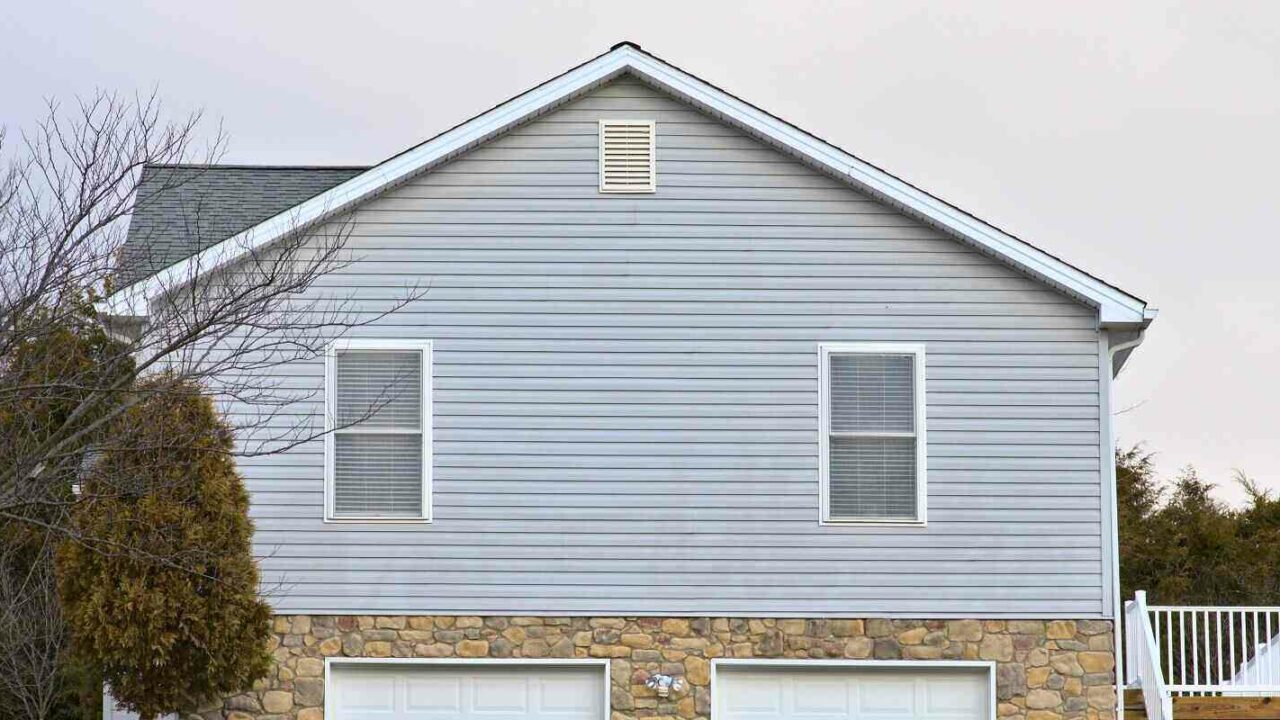
Vinyl comes in many styles, colors, and texture options. In fact, there are more than 350 different color options for vinyl siding. This allows homeowners to create the unique look they desire. Vinyl siding also works for all types of home styles, including homes that are newly constructed as well as many that are more than 50 years old. In other words, vinyl siding is versatile, easy to customize, and certain not to disappoint for homeowners who want a reliable and affordable solution.
Myth #2: Synthetic Siding Materials Are Not Durable
Synthetic materials are often used for residential siding to add to the siding’s aesthetic appeal, durability, etc. For example, stone veneer siding uses a synthetic material akin to stone that achieves essentially the same quality as natural stone, albeit for a reduced price. At first impression, the idea of using synthetic materials may seem to homeowners like it compromises the home siding’s overall level of quality. This is, of course, a myth and not the case.
The Truth: Lightweight and Synthetic Materials Can Withstand Heavy Winds
Synthetic materials are used to either improve the quality of home siding, add style, or reduce the cost for the homeowner. They are high-quality materials that serve an important purpose. They are also highly durable. For example, vinyl siding can withstand winds as much as 200 miles per hour. It can also last for over a decade if properly maintained and serviced.
Myth #3: Home Siding Is Primarily for Aesthetic Purposes with Little Functional Benefit
New home siding can drastically improve your home’s curb appeal. However, this is not the only benefit that home siding provides. Unfortunately, many, especially those who put off replacing their outdated siding, feel as if the primary benefit is a new and improved look to the home, which is simply not the case.
The Truth: New Siding Can Provide Many Functional and Aesthetic Benefits
There are numerous benefits of new home siding, especially when replacing outdated or damaged siding. The most notable benefits of new siding include:
- Improved temperature control
- Increased home value
- Detection of exterior concerns
- Protection from bad weather
- Improved appearance
Many homeowners may see a significant increase in their energy costs each month due to siding that is damaged or creates drafts near the foundation or around windows. This is because controlling the temperature in the home is more of a challenge as outdoor air can enter in and indoor air from the HVAC system can leave the home.
 Your home’s value can also increase by replacing outdated, damaged or ugly siding with new siding. This often returns the majority of the cost from materials and professional installation.
New home siding can also address undetected (and detected) concerns with the home’s foundation, particularly when a professional performs the installation. This adds extra protection from damage caused by bad weather.
Myth #4: The Types of Siding Options Are Somewhat Limited
Homeowners do not have to replace their home siding with the same type of material or style they currently have. There has been a fair amount of innovation in home renovation throughout the years, and the material and style options that are available today are far greater than they were 25 years ago.
The Truth: There are Numerous Siding Materials to Choose From
Many homeowners who are just learning about home siding have the idea that vinyl and wood are their only options. However, while vinyl and wood siding are two of the most popular types, there are plenty of different siding options for homeowners to consider. This includes but is not limited to:
- Wood
- Brick
- Vinyl
- Stucco
- Fiber cement
- Stone veneer
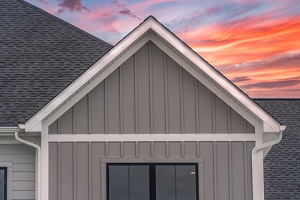
There are also several color choices and variations of siding materials with each one. For example, within vinyl siding, there are many style types such as Dutch Lap, Smooth, and Board and Batten.
In total, between all home siding material options and the variations of style within each material choice, homeowners could have hundreds of different style, color and texture options to choose from, allowing them to create a unique style that matches their design and functional preferences.
Myth #5: New Home Siding Installation Is Bad for the Environment
There is also a misguided myth that home siding installation is bad for the environment. This is primarily out of fear that the synthetic materials are created with elements and materials that harm the environment. For example, some have been told that asbestos is used to create fiber cement or industrial processes and the use of dioxin (a toxic gas) is used to create vinyl. These concerns are either not true or overstated as they pertain to the effects the processes have on the environment.
The Truth: The Materials and Process of Home Siding Installation is Environmentally Safe
The underlying misconception is that synthetic materials used in home siding have a profound impact on the environment. When, in fact, dioxin used for making vinyl, for example, only accounts for a small fraction of one percent of the emission of dioxin into the environment each year.
The rest of the dioxin emission comes almost exclusively from natural causes, such as forest fires, burning wood, volcanoes, etc. To address the concern of asbestos used for creating fiber cement, fiber cement was actually created in part to provide an alternative to other materials that use asbestos for the creation of synthetic fiber.
Myth #6: Home Siding Should Only Be Replaced Once Damage is Noticeable
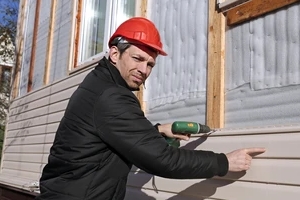 Another myth is that home siding only needs to be replaced when there are noticeable signs of damage. However, many of the issues with an old home’s siding that suggest the need for new siding are harder to detect.
It is a great idea to get the most out of your siding, but when it is time to replace it, then you should not delay as issues could worsen. For example, putting off replacing outdated siding could lead to water damage to the home’s foundation and inside the home after a bad storm occurs.
The Truth: Home Siding May Need Replacement Without Noticeable Damage
There are many other signs that could indicate the need to replace home siding other than noticeable damage. This, of course, includes age. On average, home siding can last anywhere from 20 to 40 years, depending on the type of material, the quality of the installation and environmental factors. High energy costs may be a factor. And siding that is vulnerable during heavy storms may also need replacement.
Myth #7: Home Siding Installation Is a DIY Project
Home siding installation is far more complex than many homeowners realize. A common mistake homeowners make is trying to install new home siding themselves. This often proves to be a time-draining and expensive process for the homeowner, and it can lead to less than ideal results.
The Truth: Ensuring Proper Home Siding Installation Requires Professional Help
Home siding installation requires professionals to ensure the maximum benefits are achieved. When an insured and licensed contractor installs home siding, it can noticeably reduce energy costs, add more strength to the home’s foundation to withstand heavy winds and rainfall from strong storms, and significantly improve the home’s curb appeal and resale value. However, these benefits are often limited when a homeowner attempts DIY installation.
When To Consider New Siding For Your Home
As discussed, there are many reasons why you may consider replacing your home’s exterior siding. This could be done purely for aesthetic reasons, such as to renovate a fixer-upper, address stained siding, or simply change the overall style and look of the home.
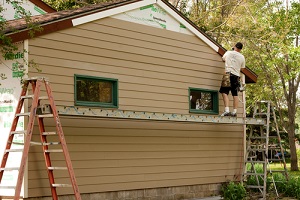 There are also functional reasons for considering new home siding. This could include addressing drafts that enter your home and impact your energy costs each month, water damage, or vulnerabilities to bad weather.
A home siding contractor may also recommend new home siding if it shows wear and tear from natural aging, even if the siding does not yet pose any notable concerns other than a worn-down appearance. This is often to prevent more severe issues from developing in the future.
Get Started By Calling Our Home Siding Pros at Adelphia Exteriors
If you would like to learn more about home siding and determine if your home could benefit from new siding, then call our siding professionals at Adelphia Exteriors today.
We take pride in helping residents of our local communities replace outdated or damaged siding and maintain siding that offers numerous home benefits. So why wait? Get in touch today to get started with improving the quality, durability and appearance of your home’s exterior siding.
 Dealing with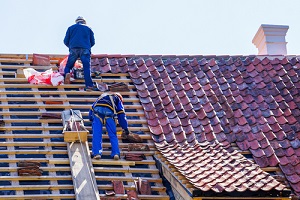
 The insurance company will likely want to
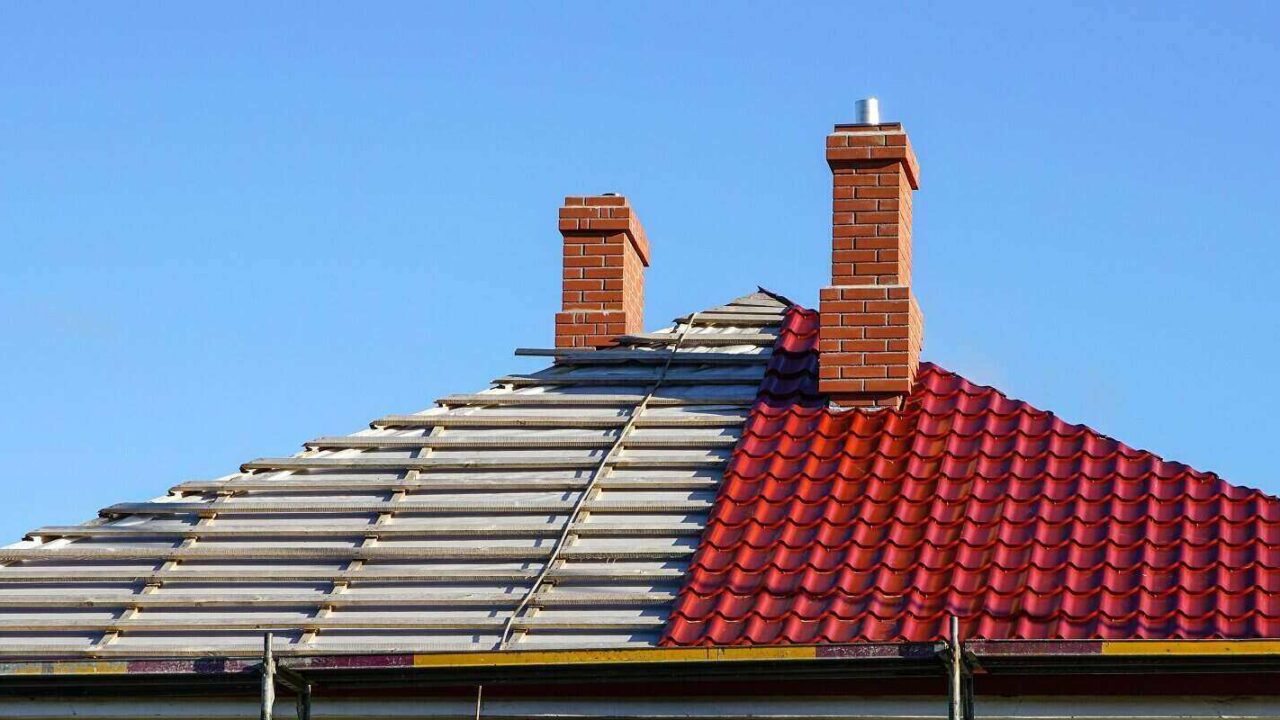
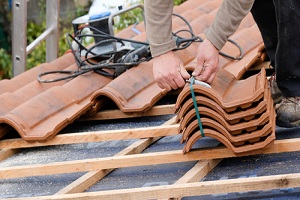
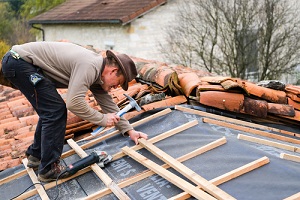 A partial roof replacement can take anywhere from one day to a week. The exact amount of time depends on the severity and size of the damage. Bad weather and other disruptions may also push the timeline back as well. Roof replacements can be loud projects as well. Subsequently, ensuring your children are informed is helpful. Keeping your pets in the quietest place of the home may be helpful as well.
 Many homeowners try DIY
 While safety equipment and using the proper equipment can help reduce the risk of injury during DIY siding installation, it is still a concern. Anytime working at high heights is involved, regardless if you have the necessary scaffolding and ladders to make it safer, injury is a risk. Subsequently, it is encouraged to hire a professional to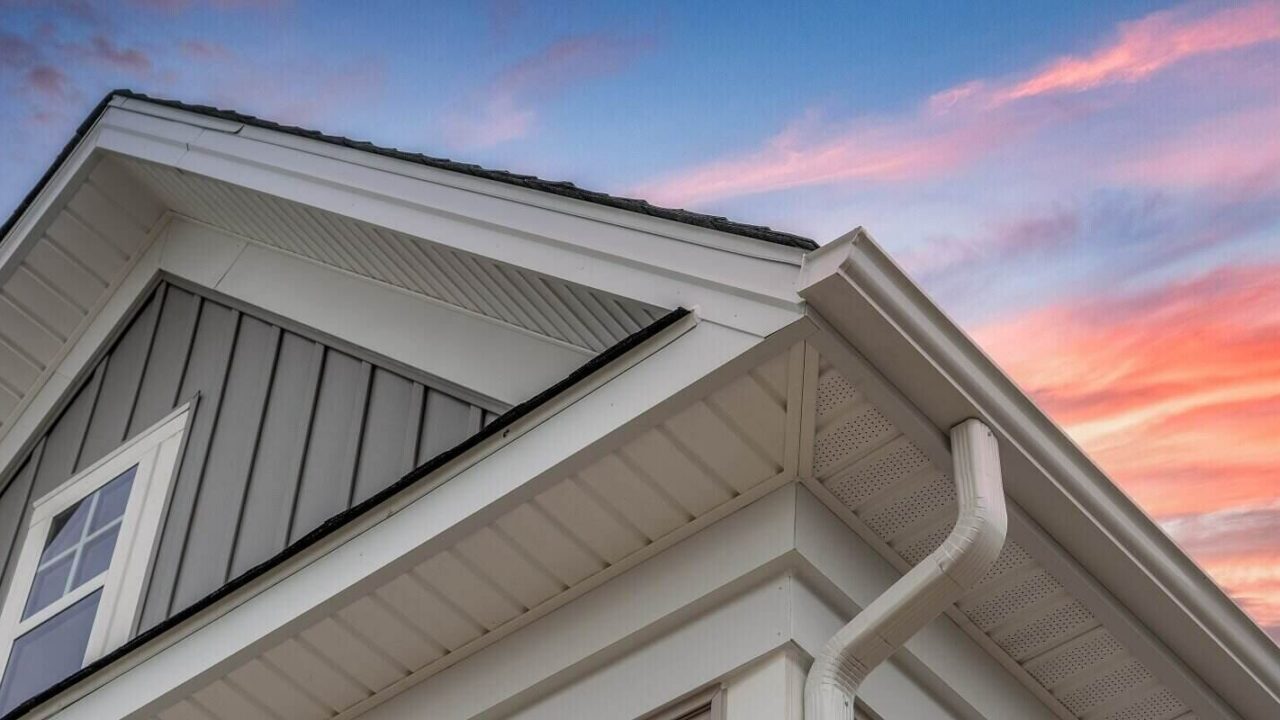
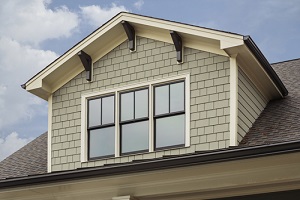 Both vertical and horizontal
 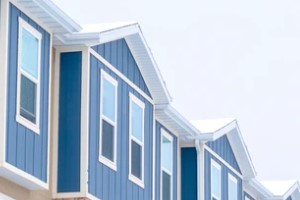 Vertical siding installation is more common on commercial properties than residential, but it can be a great option for homeowners as well. Vertical siding installation is typically recommended for homeowners who do not mind a higher cost of installation and want a more unique (and less traditional) look for their exterior siding.
 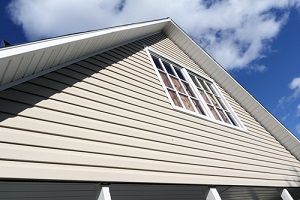 Horizontal siding installation is more traditional and works great for achieving a conservative, yet attractive design. It is also a good choice for homeowners who are looking to save money on installation costs and want the fastest installation possible. However, those who choose horizontal siding should be willing and able to provide more
 There are certain
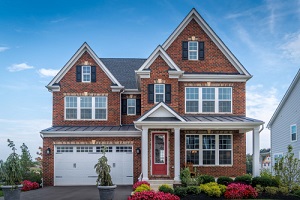
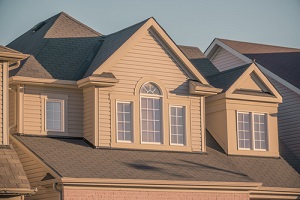 Vinyl, fiber cement, cedar and engineered wood siding all make for great exterior siding options if you live in Northern Virginia. Ultimately, the best choice often comes down to personal preference. Climate elements may also play a role.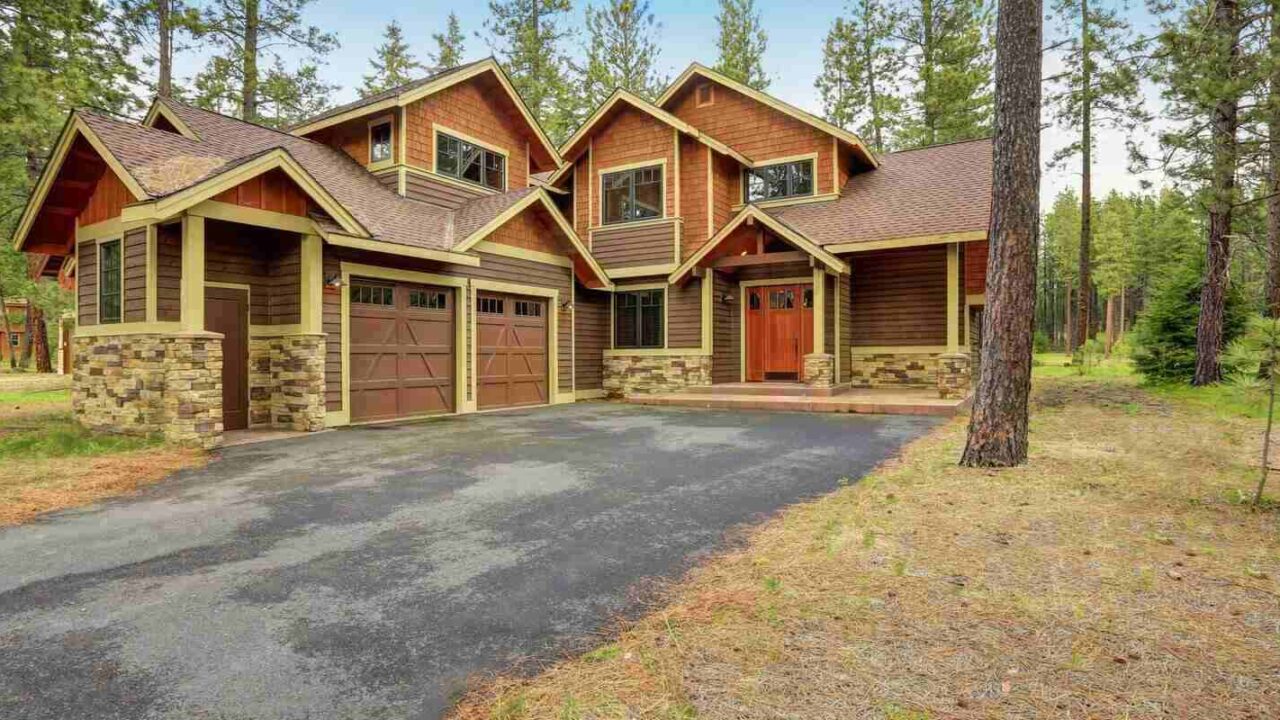
 Wood siding can last for 25 years or more with proper care. There are certain things you can do to keep your home’s wood siding in ideal condition and looking like new for decades.
  You can remove mildew by cleaning the wood siding with a cleanser that is specifically designed to kill fungus. Be sure to wear eye protection and gloves and avoid spraying any plants around your home’s exterior.
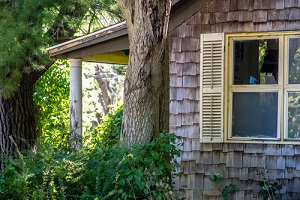 As mentioned, wood siding can last for more than 25 years when cared for properly. In many instances, homeowners are able to maintain their wood siding for more than forty years before the siding needs extensive repairs or replacement. However, getting the most out of your wood siding requires regular maintenance and professional inspections and cleanings.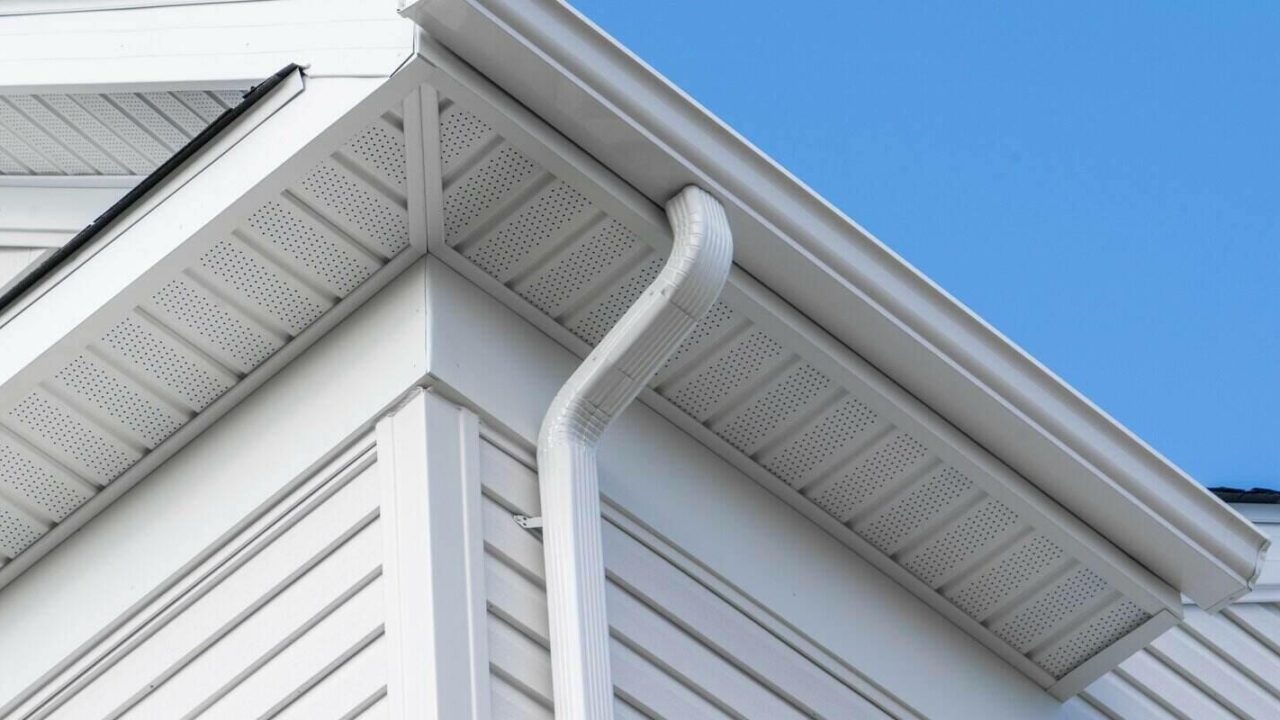
 You can reduce the risk of mold on your home’s vinyl siding by allowing natural light to penetrate the siding, removing vines and moss that can grow on your home’s siding, reducing water exposure, maintaining your gutters and inspecting your siding regularly.
 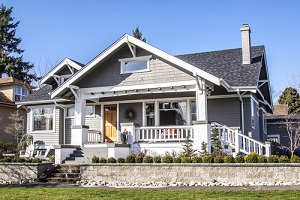 One common contributing factor to mold on vinyl siding is water. This can be the result of heavy rainfall, but it more commonly can result from repeated exposure to sprinklers from landscaping efforts. Subsequently, it is important to make sure sprinklers are not hitting the side of your home. Remember, mold is less likely to grow in dry areas that receive sunlight, whereas dark, wet areas often encourage mold growth on vinyl siding.