
 When it’s time to upgrade your home’s exterior, there are lots of decisions to make. Once you have decided on the right siding material and color to get the look you want, you still have another important choice to make when it comes to the orientation of your siding.
When is horizontal siding the right choice, and in which circumstances is vertical siding the better option? Here is a look at what to consider.
Aesthetics
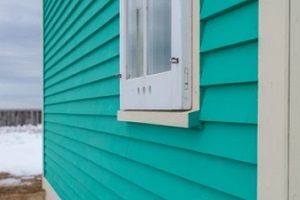
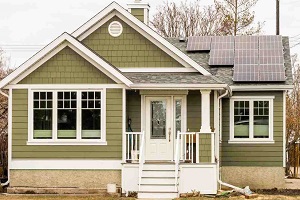
Aesthetics will undoubtedly play a pivotal role in the choice between horizontal and vertical siding. Horizontal siding is the more traditional choice, and it can help your home blend in if you live on a street lined with Colonial-style homes.
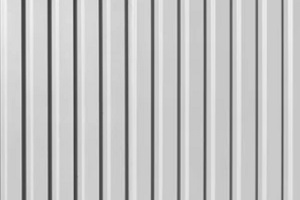
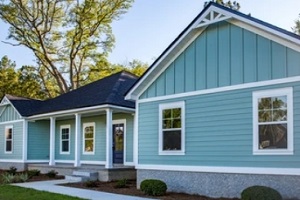
However, for those who want a slightly more unconventional look, vertical siding is a great and subtle way to set your home apart. In addition, vertical panels can elongate a home, making it appear taller and more regal.
Cost
Although you might expect both types of siding to bear a similar cost as the amount of siding needed to cover the home will be roughly the same, vertical siding actually costs slightly more than horizontal siding in many cases.
 This is down to the specialist nature of installing siding with a vertical orientation. If budget is a concern, the best course of action is to consult a local siding contractor and request estimates for both types of siding to make a comparison.
Keep in mind, however, that the cost will also depend on the types of siding materials used, their weight, and the skill needed to install them. For example, horizontal steel siding can cost more than vertical vinyl, given the weight of the material.
Maintenance
All types of siding will require proper maintenance to prolong their lifespan, but this depends largely on the materials used rather than the orientation of the siding. For example, vinyl siding is virtually maintenance-free and very easy to maintain, while wood requires regular care to keep it functioning properly and looking pristine.
However, the orientation of the siding will come into play when it comes to cleaning. Vertical siding panels are easy to clean with household cleaners and a power washer, and there is little danger of leakage.
This is particularly true for the board and batten-style vertical siding, as the filler strips will cover seams in the siding. Horizontal siding panels, in contrast, pose a greater chance of water leakage during cleaning, which makes cleaning them a bit more complicated.
Durability
 The durability of siding will be influenced by its material and craftsmanship, with metal and fiber cement being among the longest-lasting types of siding available.
One concern with horizontal siding, however, when it comes to durability is the high risk of rainwater leaking beneath the strips of wooden siding panels. This could cause them to warp over time and spur the growth of mildew and mold. This is far less likely with vertical siding, as water that hits the panels’ surface will simply drop to the ground.
Installation
As the most common orientation of siding in residential homes, horizontal siding has a very straightforward installation process that most siding professionals will be very familiar with. This means they should have no trouble installing the siding on time and without running into any unexpected problems.
With vertical siding, however, homeowners need to seek siding installers who are familiar with the process and have experience carrying out the additional steps involved. For example, a layer of furring strips has to be laid horizontally prior to installing vertical panels to smooth and level the surface for a finished look once the siding is in place.
Resale Value
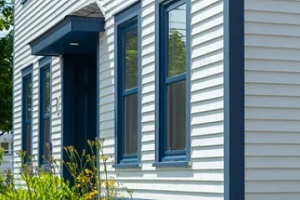 Siding that is in good shape and visually appealing will always help improve a home’s curb appeal, but potential buyers may have a preference when they are shopping for a new home. Although vertical siding has a striking presence, not all homebuyers are comfortable choosing something that is unconventional.
However, this also depends on the style of the home. Traditional and historic homes have more widespread appeal with horizontal siding, while rustic homes can look very attractive with vertical siding. For smaller homes, such as Cape Cod-style homes, vertical siding can add some much-needed height.
Can Horizontal and Vertical Siding Be Mixed?
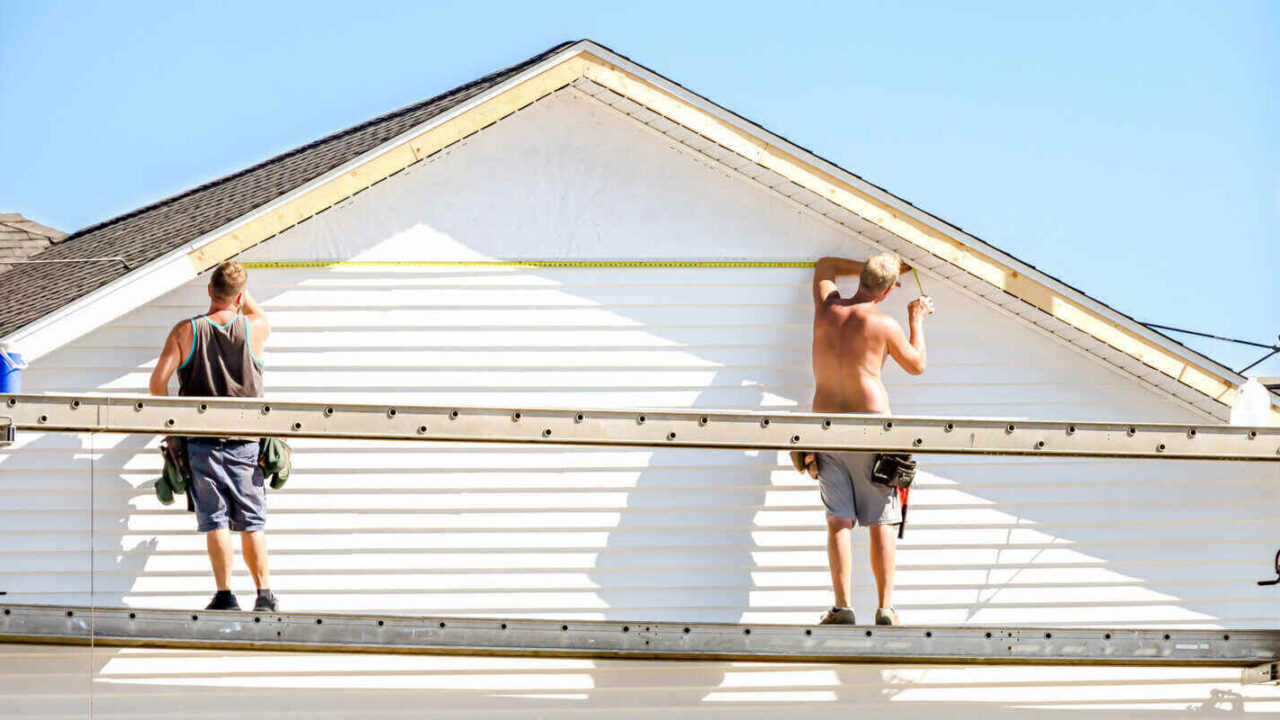
If you are struggling to choose between horizontal and vertical siding, consider mixing and matching so you can enjoy the benefits of both styles. Some people place horizontal siding on the main area of the home and use vertical accents on gables.
For homes with complex architectural styles, such as Victorian houses, a mix-and-match design can be very effective.
Discuss Your Project With the Siding Professionals
If you are ready to update your home’s appearance with new siding, get in touch with the professional siding contractors at Adelphia Exteriors to discuss your project and request a free estimate.
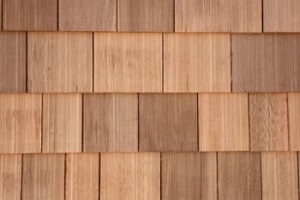 Cedar is a popular type of
 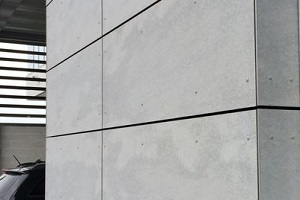 Fiber cement might boast a long lifespan and excellent durability, but for many people, the biggest draw is the broad variety of shapes, sizes and colors on offer. It does not expand and contract during extreme temperatures, so this material is technically suited to year-round installation and can be installed in winter without any issues.
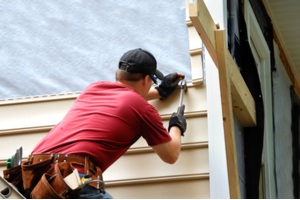 This can be avoided by scheduling siding installation for the summer. In addition to having a better chance of scheduling the work for a time that suits your schedule, the contractor is likely to have more workers available, which means the project could be completed quicker.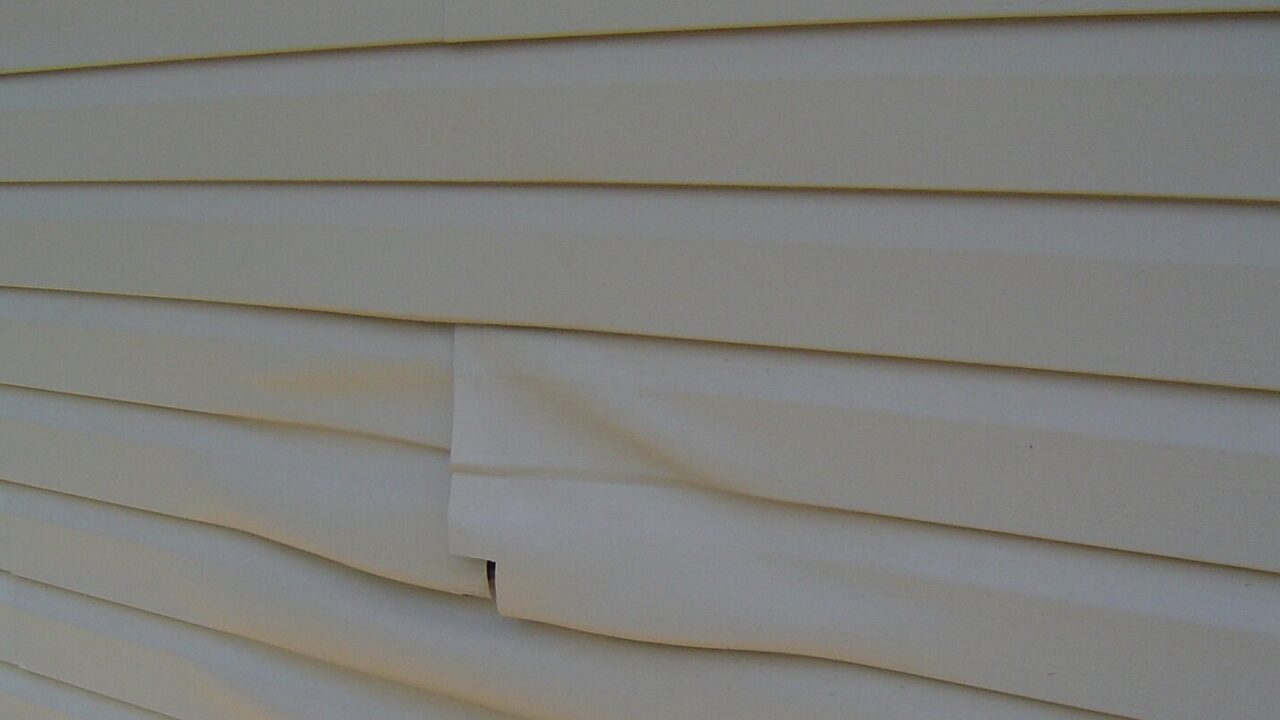
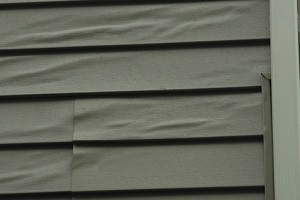 Vinyl is a top siding choice among homeowners thanks to its affordability, versatility and ease of maintenance. However, despite being weather-resistant, it is occasionally prone to warping. Learn more about what causes
 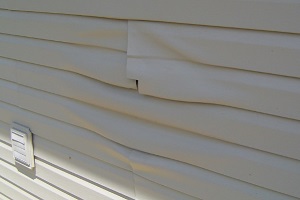 Excessive heat is one of the top causes of warped vinyl. After all,
 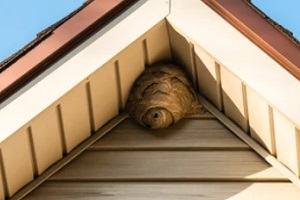 Although it is not the most common cause of
 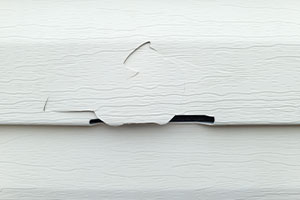 Vinyl is an affordable material in general, but homeowners need to make sure they are choosing a better-quality vinyl that is reasonably thick and durable. Cheaper vinyl panels can be quite thin and may already be slightly wavy even before they are installed; this will only get worse after they have been nailed down and exposed to the elements.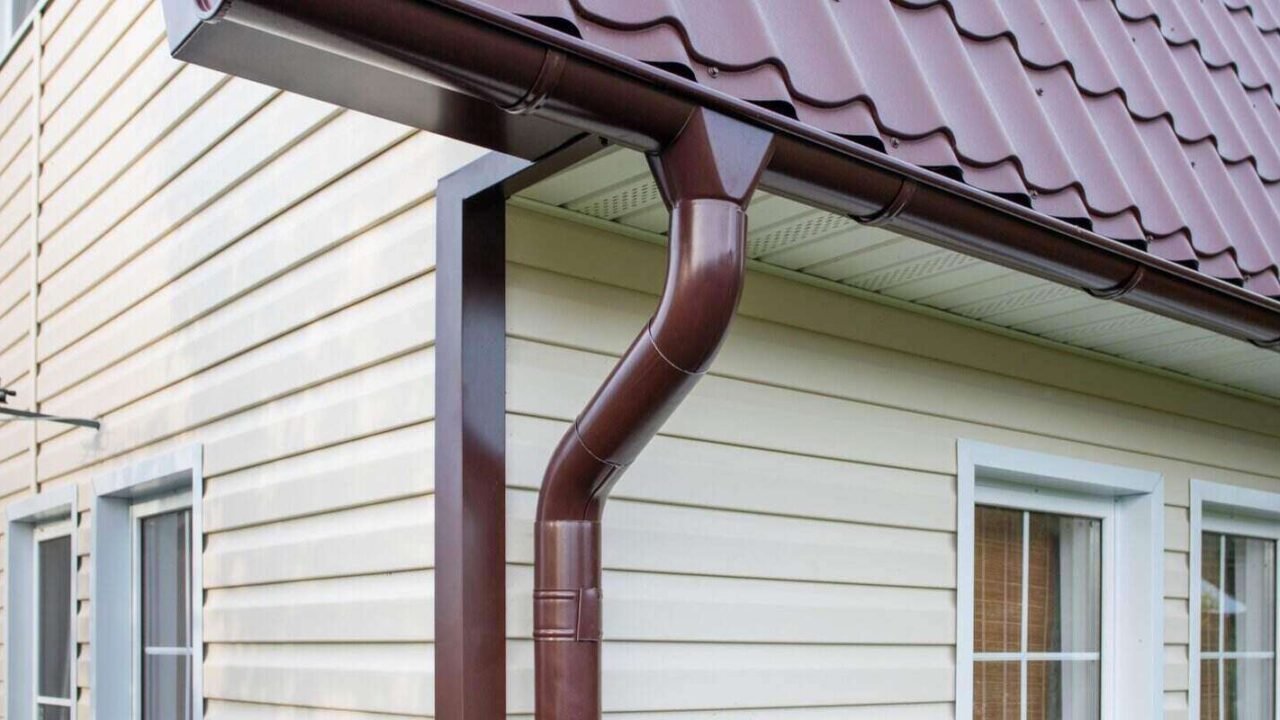
 New
New 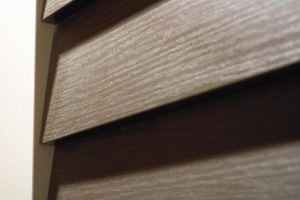 Another siding material that can give homeowners the look of wood without some of its drawbacks is
 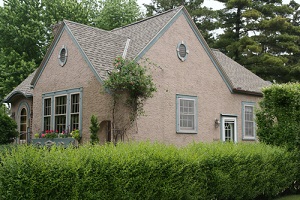 Stucco siding is available in a broad range of textures and materials. While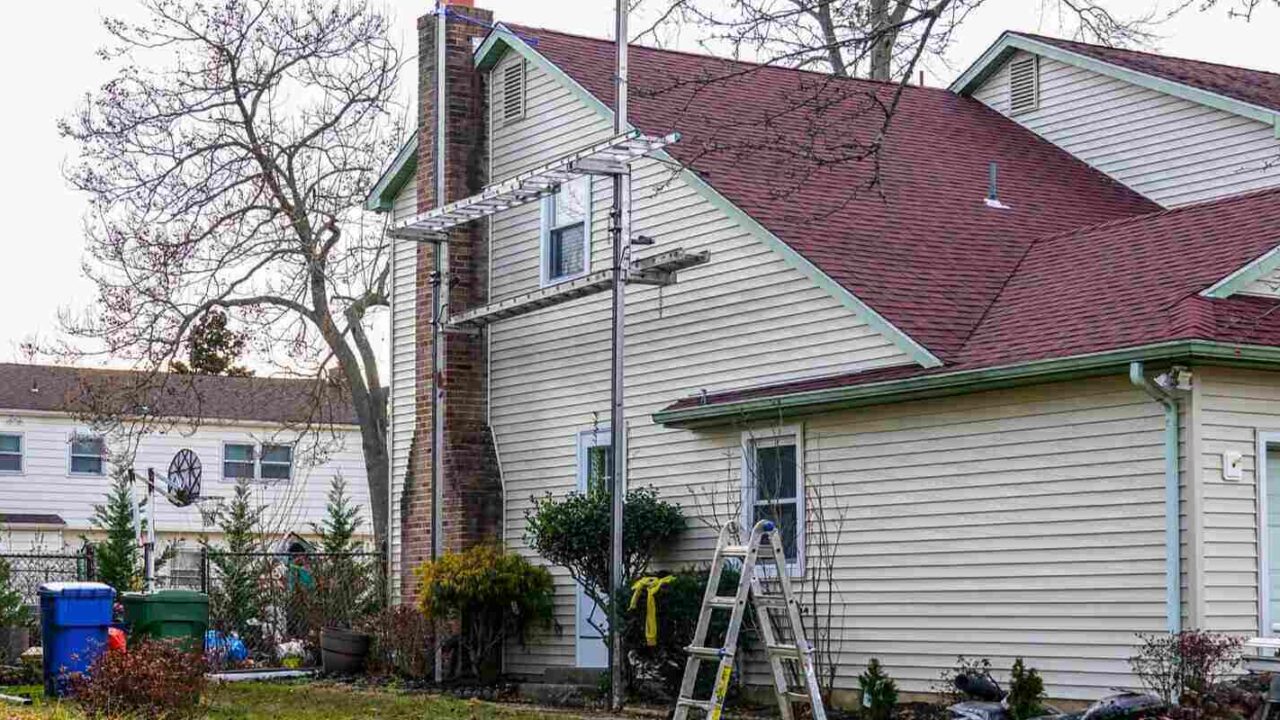
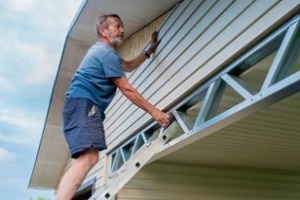 Few home improvement projects have the power to dramatically
 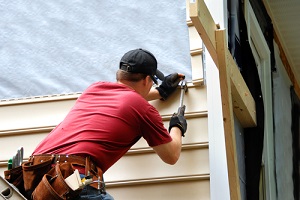 Before the project begins, a dumpster and the new siding will be delivered to the home. These items may arrive a couple of days before the crew begins. A permit may be required for the dumpster, so be sure to find out if the
 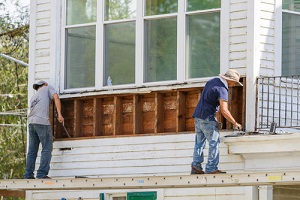 The amount of time a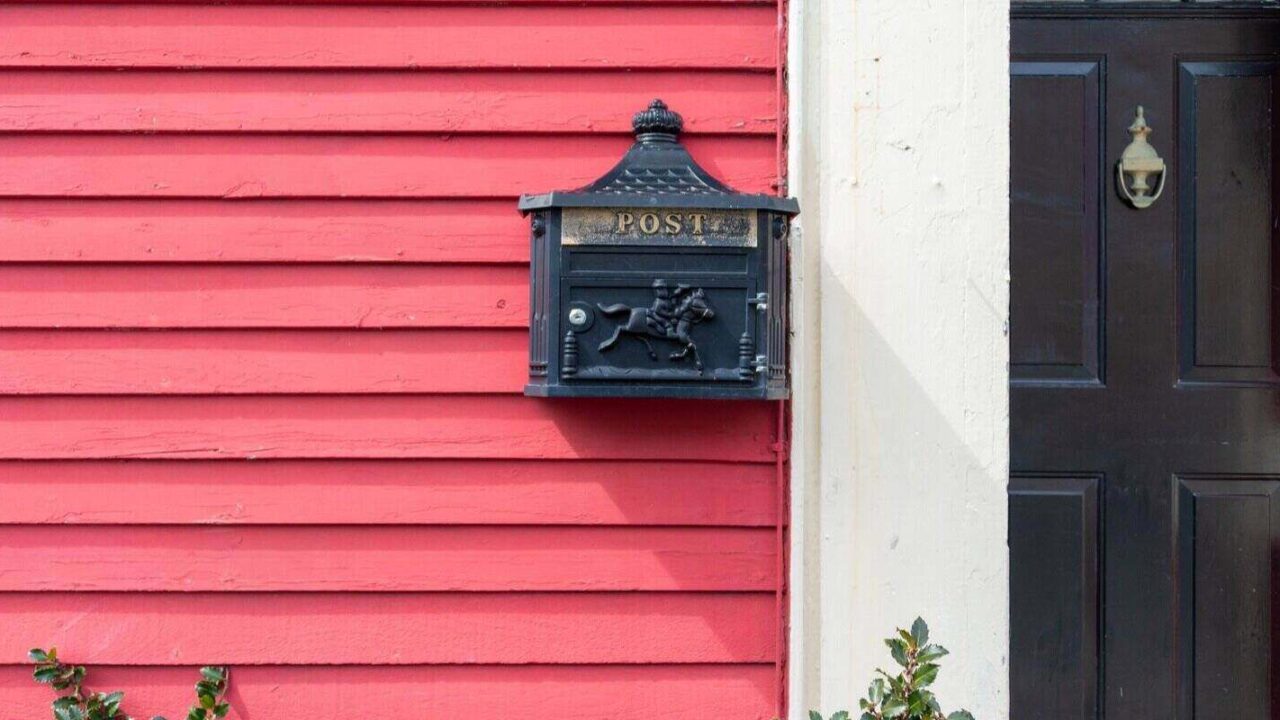
 Few home improvement projects have the power to transform the look of a home as dramatically as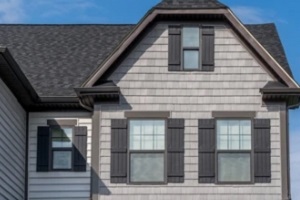
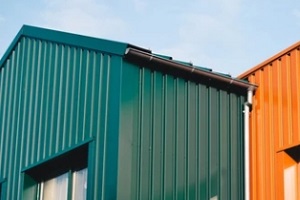 Strong and durable,
 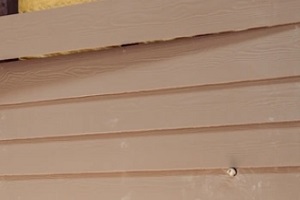 Composite and engineered wood siding is more affordable than real wood and gives homes a very similar look. Made using a combination of real wood scraps and resins, it is an eco-friendly choice that is more resistant to mildew, insects and mold than real wood. It can also handle extreme temperatures without cracking or melting.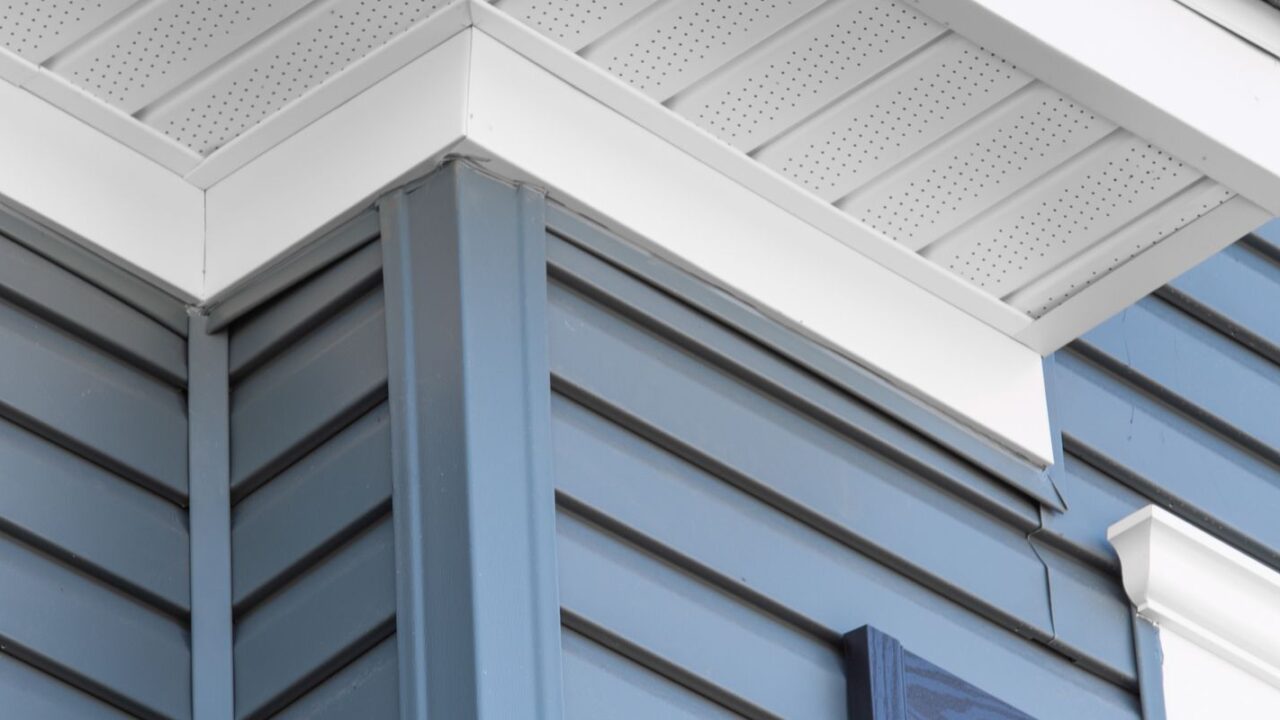
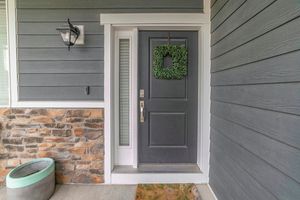
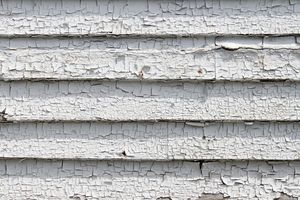 they do not have the energy, money or time to maintain the siding on their home, it could be a good moment to upgrade to a lower-maintenance option, such as vinyl. This also allows homeowners to transform the aesthetics of the home dramatically.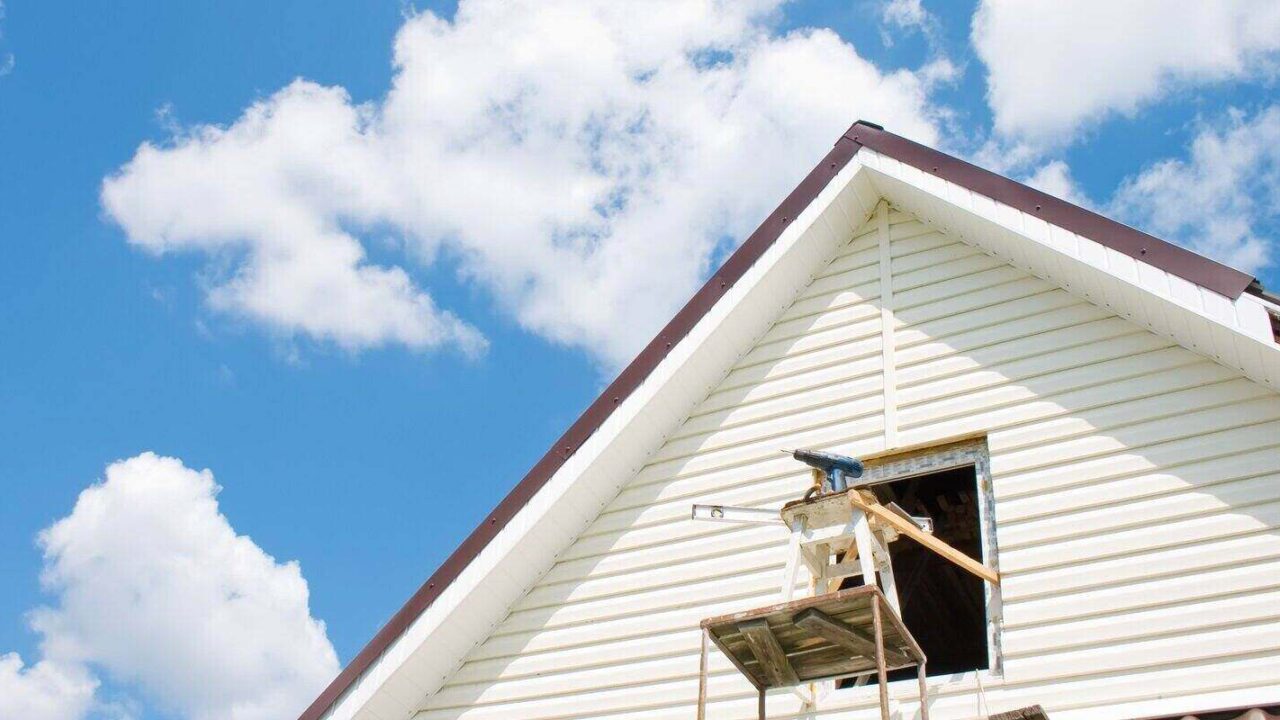
 Homeowners who are looking to add value to their home often find the greatest return on investment when they focus on aesthetic upgrades. Increasing a home’s curb appeal is consistently identified by real estate agents as one of the top steps homeowners can take to improve their sales prospects.
 It is not always necessary to fully replace the siding if only a few panels or boards are damaged. In some cases, it may be enough to pressure-wash dirty or moldy siding to make it look fresh and clean. Then, homeowners can inspect the siding more closely for signs of damage that go beyond dirt, paint or a small amount of mold.
 The overall cost of a project will depend on the type of materials used, the type of existing siding and the home’s overall size. The average cost ranges from $5,000 to $14,500.