
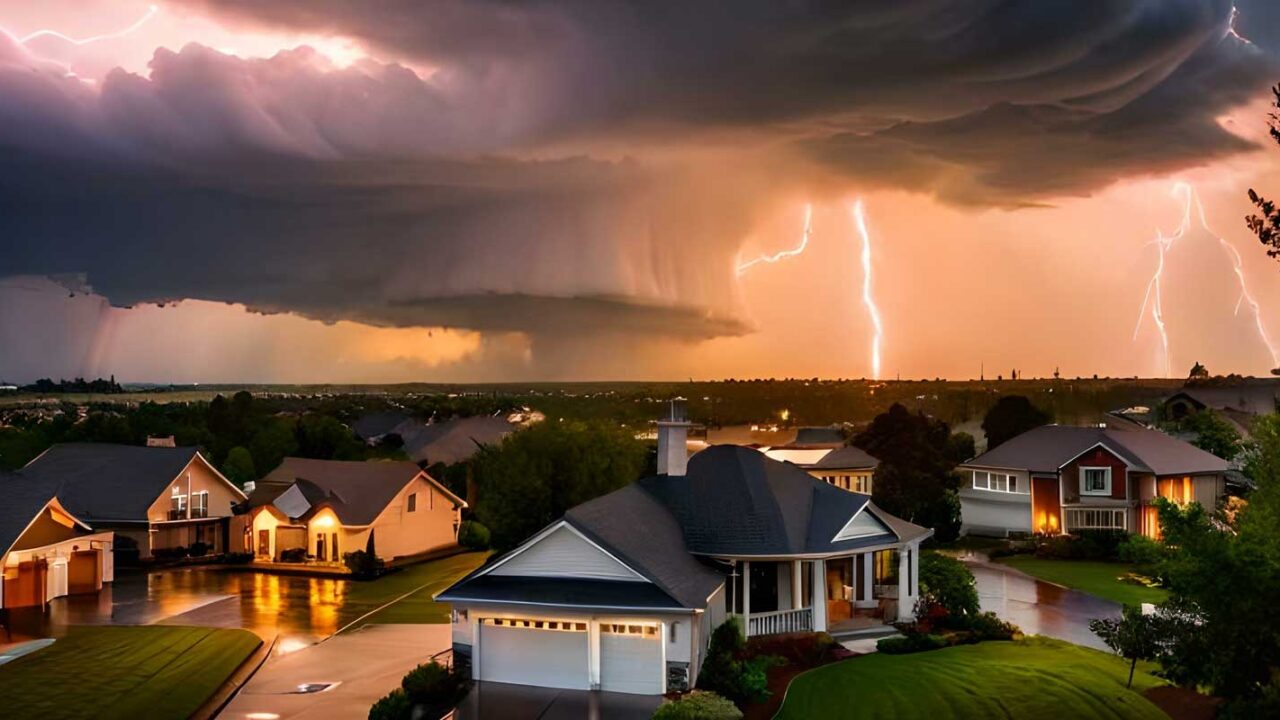
Some of the most remarkable images seen in news reporting on hurricanes depict entire roofs being lifted off homes and blown away. However, it doesn’t take a major storm to wreak havoc on a home’s roof; a day of unusually high winds can be enough to damage many standard types of roofing.
Best Wind-Resistant Roofing Options
 Whether you have experienced roof damage from winds in the past or you simply want to be prepared for the climate and avoid costly roof repairs, investing in wind-resistant roofing options can help you protect your home from inclement weather. Outlined below are some of the best roofing options for standing up to high winds.
Metal Roofs
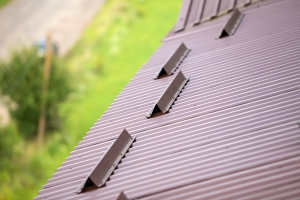
Metal roofs are widely considered the most secure type of roofing when high winds strike. Although some homeowners prefer the appearance of other roofing options, their durability sets them apart. Some metal roofs are designed to mimic the appearance of other roofing materials for a more pleasing aesthetic.
They are not the most affordable option, but metal roofs can stand up to winds as high as 160 miles per hour. Some homeowners may be eligible for discounts on their homeowner’s insurance rates due to the material’s fire resistance.
In addition, these roofs can be installed in large panels or sheets, which means there will be fewer seams where wind can gain entry and lift the roof up.
Slate Tiles
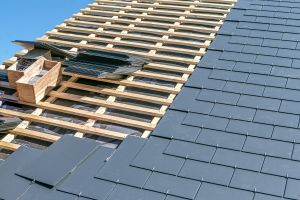 Slate tile is one of the heaviest roofing materials on the market, but that is precisely why it is such a good option in windy environments. Their average wind speed resistance is around 110 miles per hour, and they can last for as long as 100 years when properly maintained.
Before installing slate tiles, homeowners must ensure their home’s structure can support their weight. Keep in mind that a slate tile can cause some damage when it comes loose on account of its weight, so it is important to choose a roofer who is experienced in working with this material to ensure it is installed correctly.
Concrete & Clay Tiles
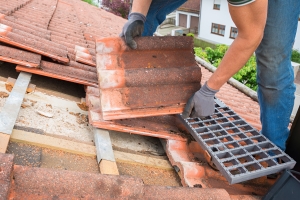
Although clay and concrete tiles are one of the more expensive types of roofing materials, they are a popular choice for their visual appeal as well as their ability to withstand wind. With resistance of around 130 miles per hour, there is little to worry about in many areas with this type of roof.
Keep in mind that debris that flows onto a clay or concrete tile on your roof in a particularly heavy gust of wind could cause chips or cracks, but the roofing itself is more likely to stay in place compared to many other materials.
Wood Shakes
A wood shake is a type of wooden shingle made out of split logs. These shingles require a lot of general maintenance but are often chosen for their natural beauty. Another bonus is their wind resistance, which is higher than slate, concrete or clay tiles but not as impressive as metal roofs.
Asphalt Shingles
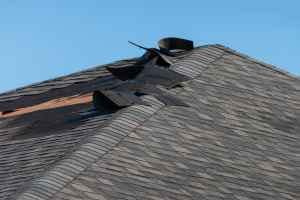
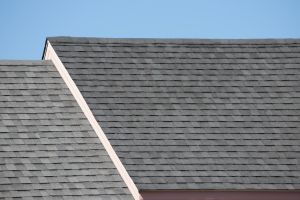 Asphalt is one of the most popular roofing materials in the US thanks to its affordability, but this material is highly susceptible to wind damage because wind can lift the shingles’ edges and carry them away. In addition, debris being carried by heavy winds can knock the shingles off the home or remove their protective granules.
However, there are some types of shingles that are designed with heavy winds in mind. Homeowners who are considering asphalt shingles for a windy environment should ask their roofing contractors for suitable options. More resistant asphalt shingles tend to cost more than standard asphalt shingles but are worth the investment in areas where winds are expected to be a problem.
Additional Considerations For Wind-Resistant Roofing
Roofing materials are just one factor that determines a roof’s ability to stand up to wind. Here are some other considerations that influence how well prepared your roof is for bad weather.
The Roof’s Pitch
The roof’s pitch can influence how well it stays in place during high winds, with slopes of 30 degrees considered the most resistant to lifting in windy conditions.
Roof Overhang
If your roof has an overhang, it will be more vulnerable to sustaining damage from upforce winds. An overhang of 20 inches or less is considered ideal for reducing the potential for uplift.
The Roof’s Shape
Some roof and home shapes stand up better in high winds than others. Roofs that have multiple panels tend to perform best as they can reduce wind loads.
Reach Out To The Roofing Contractors At Adelphia Exteriors
A severe storm can occur with no notice, and homeowners who are unprepared could experience serious roofing problems that require costly repairs or replacement.
To find out more about the best roofing materials for the Northern Virginia climate or to receive an expert assessment of your roof’s ability to withstand inclement weather, contact the Northern VA roofing contractors at Adelphia Exteriors at (571) 200-2951 or request your free roof evaluation online.

 It is not just their proximity to your home that you need to worry about when it comes to trees; you also need to ensure trees won’t become uprooted in heavy winds. This requires checking the trees near your home to make sure they are in good health.
  Gutters can easily become clogged, which causes them to stop performing as expected and renders them unable to drain water away from the home’s foundation. Therefore, they must be checked on a regular basis to ensure they are clear. If there is any debris blocking your gutters, it is vital to have it removed before the next storm hits to prevent backups and flooding.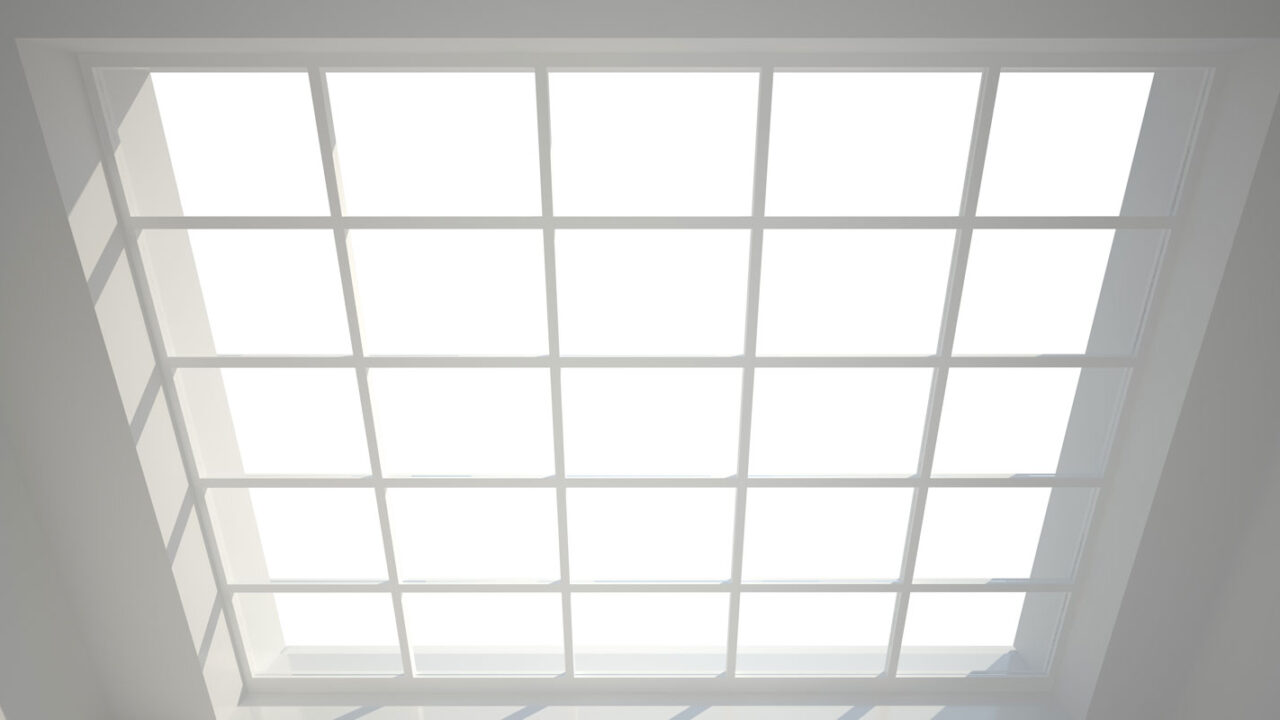
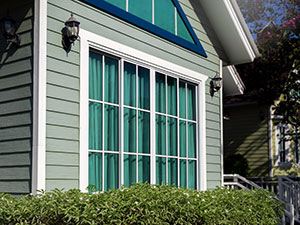 If it is time to upgrade your windows or you’re looking to change your style but aren’t sure where to begin, take a moment to assess your current windows. Do you like how your home looks with its current grids (or lack of grids)? Does your home have any specific windows that offer particularly attractive views or other considerations that may make a gridless window a better choice?
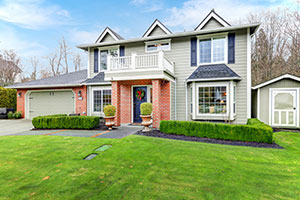 In these homes, double-hung windows are the preferred style as their sash offers additional symmetry. These are often adorned with grids that are the same on both sashes, in keeping with the symmetry of colonial homes. If you have this type of home, a popular choice is six square or rectangular grids in each sash.
 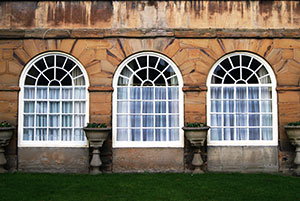 With their elaborate detailing, Victorian homes are one of the few architectural styles in which asymmetry is favored. Many Victorian homes feature tall windows that are placed to draw attention to the home’s high peaks. They may even feature panes with different colors of glass.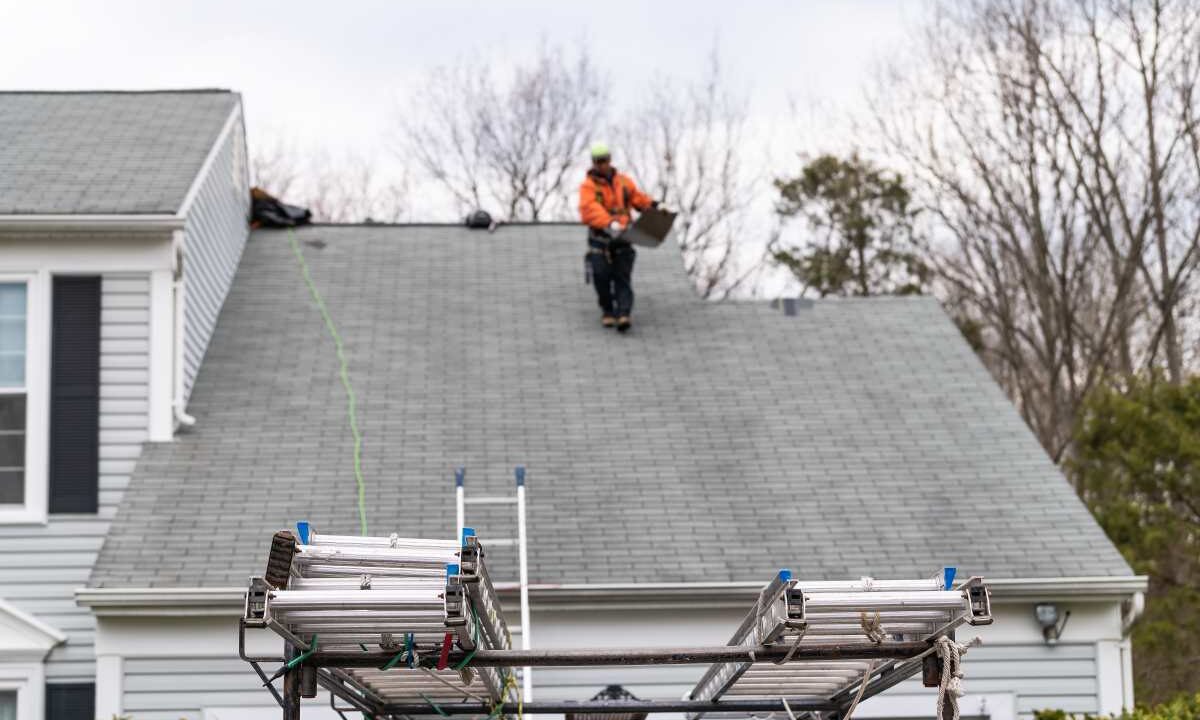
 One of the
 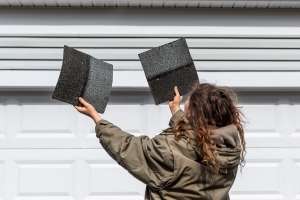 Another problem that can be caused by storms or heavy winds in Centreville is blow-off damage. This occurs when a strong gust of wind blows roofing completely off of the home. This type of damage is normally seen on just one side of the roof; the side that is not exposed to wind may remain fully intact. Blow-off damage can impact a section or an entire side of the roof, and it may also affect roof sheathing and roofing felt.
 Storms are a part of life for Centreville residents, with
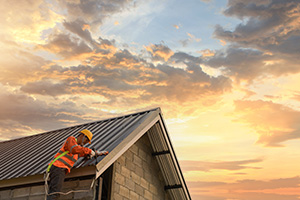 A professional roof inspection is an excellent way to find out about any issues your roof is facing so they can be addressed before they become an even bigger and more expensive problem. In addition to getting a yearly roof inspection, it may be necessary to have your roof inspected after a big storm involving high winds or flying debris. Here is a look at what roof inspections entail and why they are so valuable.
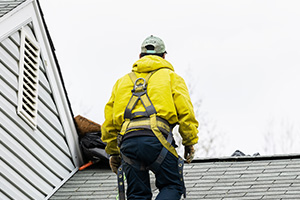 The most thorough roof inspections will involve exterior and interior checks. As you might expect, an exterior roof inspection involves having a professional climb up onto the roof and look for flashing issues, leaks, damaged shingles and chimney issues. An interior roof inspection will look at factors such as insulation in the attic, moisture and mold in the home, and ventilation.
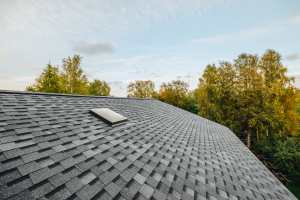 There are two main types of roofing warranties to be aware of: contractor warranties and manufacturer warranties. The key to getting the most out of any type of warranty is understanding which type you have, what it covers and the steps you need to take to maintain its coverage.
 Some roofing contractors may offer a warranty to cover their workmanship. However, these warranties can vary significantly depending on the contractor. Therefore, homeowners should study the language of the warranty carefully. When working with a contractor who is offering a warranty, be sure to receive it in writing with detailed information about what it covers and what is not covered. Although most
  Some homeowners insurance policies provide coverage for your roof, including replacement in the event that it becomes damaged. However, this coverage is typically limited to damage caused by acts of nature or emergencies. This means that issues related to aging roofs or wear and tear will not be covered as these are considered general maintenance responsibilities that fall on the owner.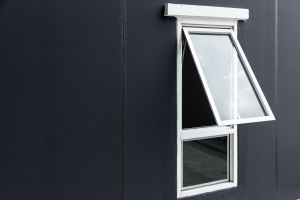
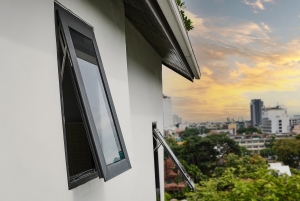 A casement window is a type of window that hinges on the side and opens outward to either the left or right. Also known as
  Even the most secure window is not completely foolproof; a very dedicated intruder can always find a way to break the glass in a window if they are determined to get into the home. However, compared to other window types, casement windows are among the most difficult to break into. This is because when you break the glass in other types of windows, it is easy to fully open them. Consider the example of a double-hung window. When the glass is broken, an intruder only has to reach inside and turn the latch on the lower sash. Then, they can lift the sash and slide the window open to get into the home without needing to navigate any broken glass.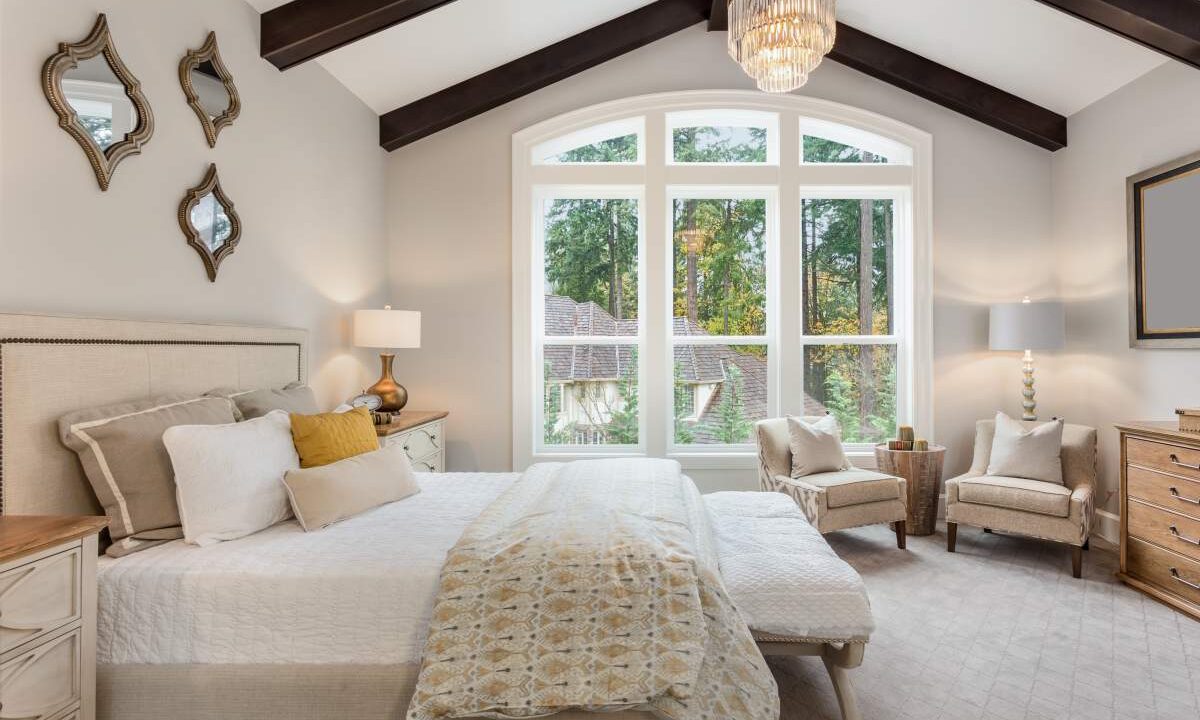
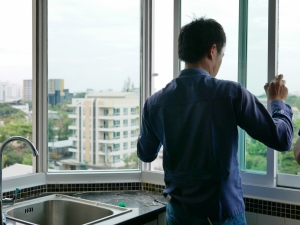 Most rambler-style homes have multiple windows to let in a flood of light and enhance their open field. They also often feature sliding glass doors for accessing the backyard while providing even more natural light. Sliding windows are a natural choice for complementing sliding doors. With their large and unobstructed panes of glass, they can brighten up a room while remaining easy to open to let fresh air in.
 Rambler style houses were the first true open concept homes, and they need very
 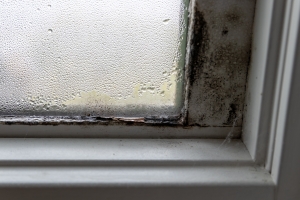 When condensation forms on the inside of your window, it is a strong sign that your