
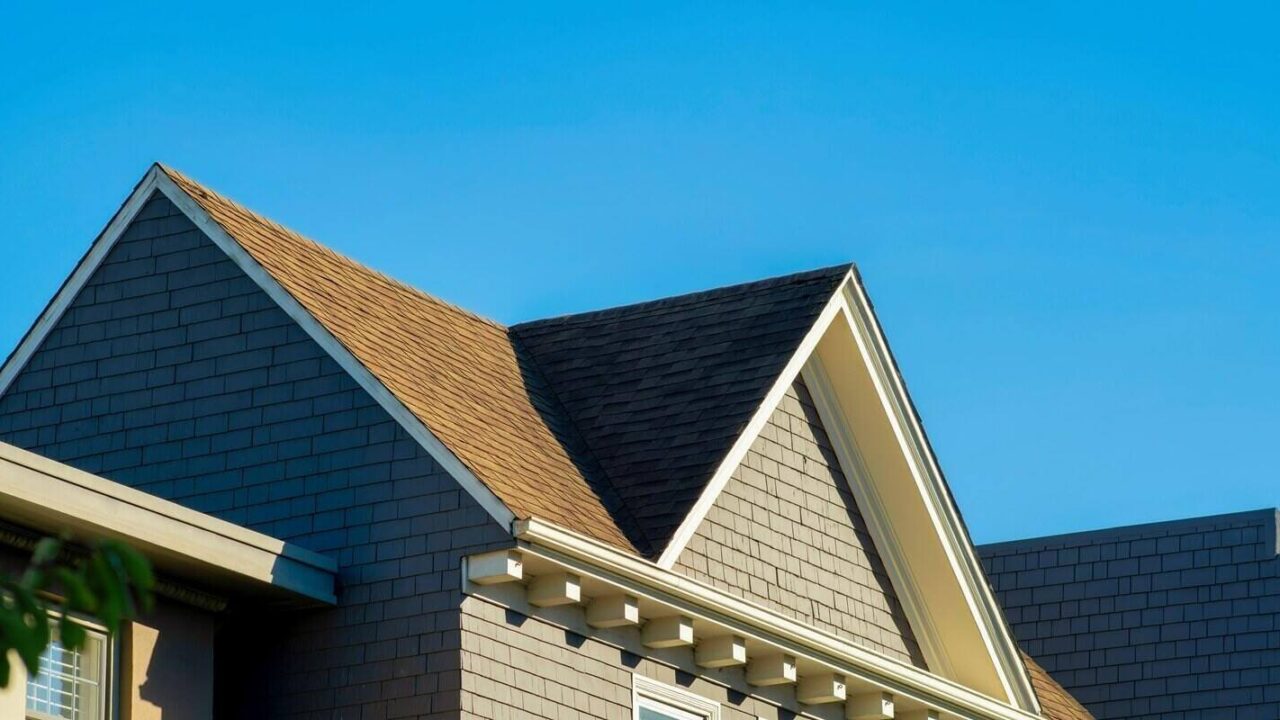
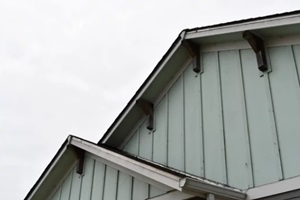
 When building or renovating a home, many important decisions must be made. While many homeowners may focus on the aesthetics of their siding or windows, your roof can have a surprisingly significant impact on the overall look of a home.
Several factors go into choosing the right roof, from materials and type to color, but one of the most significant choices you will need to make is whether to go with a single or double-pitched roof.
What sets these two options apart, and when is one pitch style superior? Here’s what you need to know about the difference between single-pitched and double-pitched roofs.
What Is a Single-Pitched Roof?
A roof that has just one slope is known as a single-pitched roof. Also sometimes referred to as a mono-pitched roof, the single slope featured on this type of roof is typically set at a low angle. Single-pitched roofs are relatively easy and affordable because they require less labor and fewer materials than their double-pitched counterparts.
The straightforward design of a single-pitched roof also means it is easier to maintain than a double-pitched roof because there are fewer corners and joints where debris and water can collect.
From an aesthetic standpoint, single-pitched roofs look good on homes with minimalist or modern designs. They are also good for structures such as detached garages, sheds, or porches.
What Is a Double-Pitched Roof?
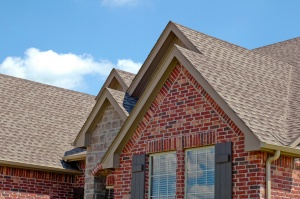
In a double-pitched roof, two slopes meet at a ridge to form a triangle. Also known as a peaked roof or a gable roof, the double-pitched roof is one of America’s most popular roofing styles.
Double-pitched roofs can be more expensive and complicated to build due to the need for more labor and materials. Moreover, because a double-pitched roof has more corners and joints where debris or water can collect, it tends to be more challenging to maintain than the single-pitched varieties.
 Nevertheless, double-pitched roofs are the roof of choice for many homeowners because they provide more attic space that can be used to store items or even create additional living space.
They are also highly desired for their aesthetic appeal. A double-pitched roof pairs well with homes featuring a classic or traditional design, such as colonials. It is also a good option for homes in areas prone to severe weather.
Which Type of Roof Is Right for Me?
There are a few factors to consider when determining whether a single-pitched or a double-pitched roof is more suitable for a home.
Which Type of Roof Looks Best For My Home?
A primary consideration is the aesthetics of the two options. Is your vision for a sleek, simple roof, or a more elegant appearance? Consider how either choice will blend with your home’s other features, such as siding and windows.
It may be helpful to take a walk or drive around your neighborhood to compare the different types of roofs on other homes nearby. This may give you a better idea of what you prefer and what will fit in best with the surroundings.
Will My Roof Need More Maintenance?
Maintenance is another important consideration. While all roofs need to be cleaned regularly, it is important to consider that a double-pitched roof will require more significant effort and maintenance and may require more repairs, especially after storms. If you lack the time and resources for roof maintenance, a single-pitched roof may be a better choice.
Will My Roof Need Home Renovations?
You should also take space considerations into account. If you need extra space in your attic, a double-pitched roof may be the better choice. However, if you would instead enjoy more excellent headroom in the rooms of your home, a single-pitched roof could be more suitable.
Does My Roof Fit My Budget?
Your budget will also help guide your decision. If you have a limited budget, you may get a higher-quality roof by opting for a single-pitched roof, requiring less labor and maintenance.
Is My Roof Right For The Weather Conditions of My Area?
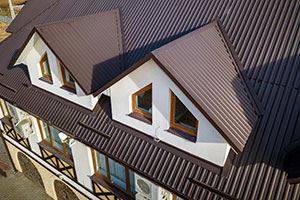 A uniquely unavoidable consideration is weather conditions for your region. If your area’s climate is marked by frequent storms, high winds, or heavy snowfall in winter, a double-pitched roof can provide better protection from the elements, while those in milder climates can safely choose a single-pitched roof.
Discuss Your Roofing Project with the Northern Virginia Roofing Contractors
For any type of roof you choose, the contractor who installs it will be the defining difference in its appearance and longevity.
The experienced roofing contractors at Adelphia Exteriors will help you choose the right style and materials to give your home the look you want and prepare it to stand up to the unique challenges posed by the Northern Virginia climate. Contact us today to learn more about our services.
 With winter just around the corner, many people’s thoughts are turning toward preparing for the holidays. Between arranging visits with family, planning holiday meals, and organizing your winter wardrobe, it is easy for other seasonal concerns to get lost in the shuffle.
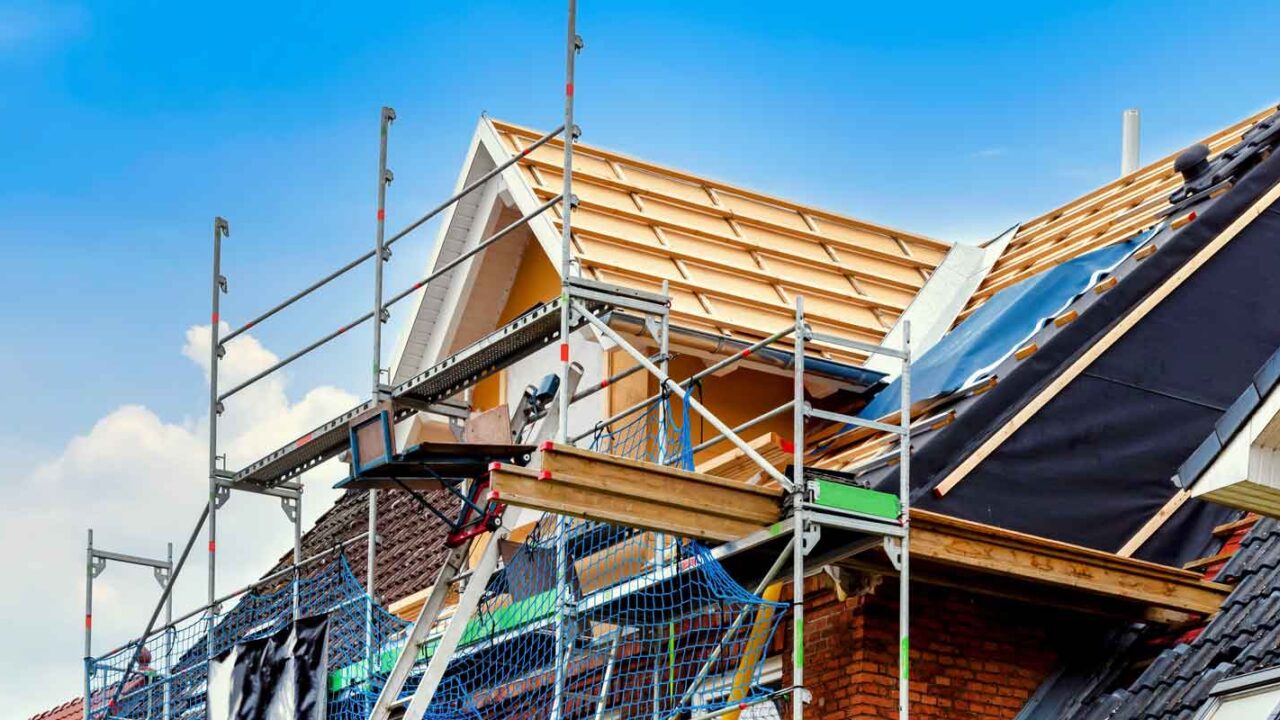
 Many times, this type of roof is extended by building a flat roof extending from the gable to provide additional living space or create a covered area outside of the home that can be used as a patio or storage area. Another option is extending the existing roof line on the gable end of the home.
 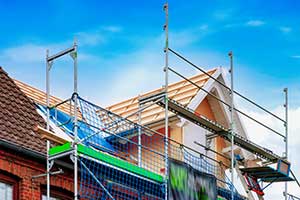 Keep in mind that a gable roof extension may affect the appearance of your home. You’ll want to ensure that the new roof area matches your existing roof and consider how the
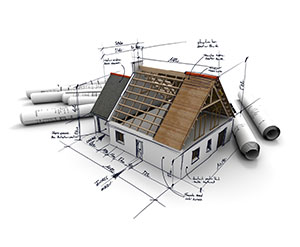 You can get a rough idea of the cost of your roof replacement by considering its size. As you might expect, replacing a bigger roof is more expensive due to the need for more raw materials and additional labor time. It is not just the overall size of the roof but also the pitch that determines the cost of the project, however.
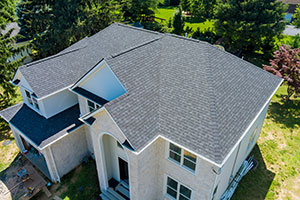 Architectural asphalt shingles are considered a mid-range option, costing in the range of $4.11 to $5.57 per square foot. They typically come with a 30-year warranty for additional peace of mind. These shingles are more aesthetically pleasing than three-tab shingles.
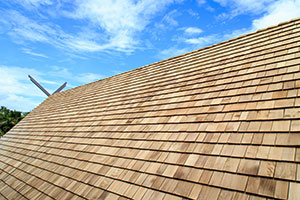 Wooden shakes and shingles have a distinctive appearance and are often chosen for aesthetics alone. While wood shingles are cut smoothly and tend to have a modern style, shakes are made using split wood and have a distinctive textured appearance. Both shingles and shakes may be made of wood such as spruce, pine, cedar, cypress and redwood. While many wood roofs begin with a light color, they often turn silver-gray or dark brown as they age.
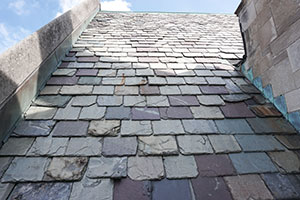 A slate tile roof is widely considered the most expensive roofing option, but its extremely long lifespan – with some slate tile roofs lasting as long as 150 years – and its low-maintenance nature make it a great choice for those who have room in their budget for higher-end materials.
 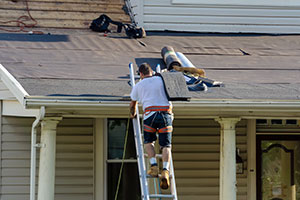 Labor generally accounts for around 60% of the overall cost of a roof replacement project. This means that on a roof replacement that costs $10,000, around $6000 of it will likely be for labor. According to Roofing Calculator, roofers are generally paid a rate of around $130 per hour, while general roof laborers are paid around $35 per hour.
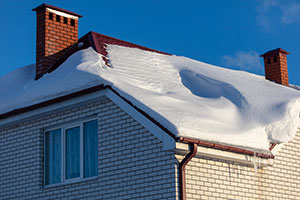 According to RoofCalc,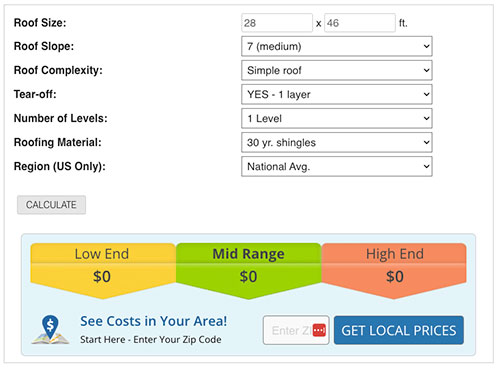
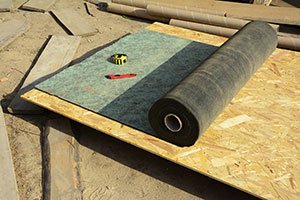 The decking is the plywood that is placed over the rafters upon which the roofing material is installed. In cases where a roof has been leaking or is damaged, it may be necessary to replace this decking, which can cost between $2.20 and $3 dollars per square foot.
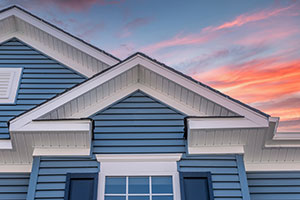 Fascia and soffit materials run along the edge of your roof and are therefore susceptible to rot and water damage. Fascia boards are found along the roof’s lower edge and support gutters and the lower part of the roof, while soffits cover the overhang of rafters or trusses.
 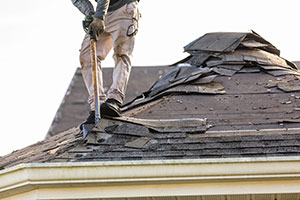 Another factor that must be considered when estimating the cost of a roof replacement is the cost of removing the existing roof and disposing of it. This can cost up to $2 per square foot depending on the roof’s characteristics and material.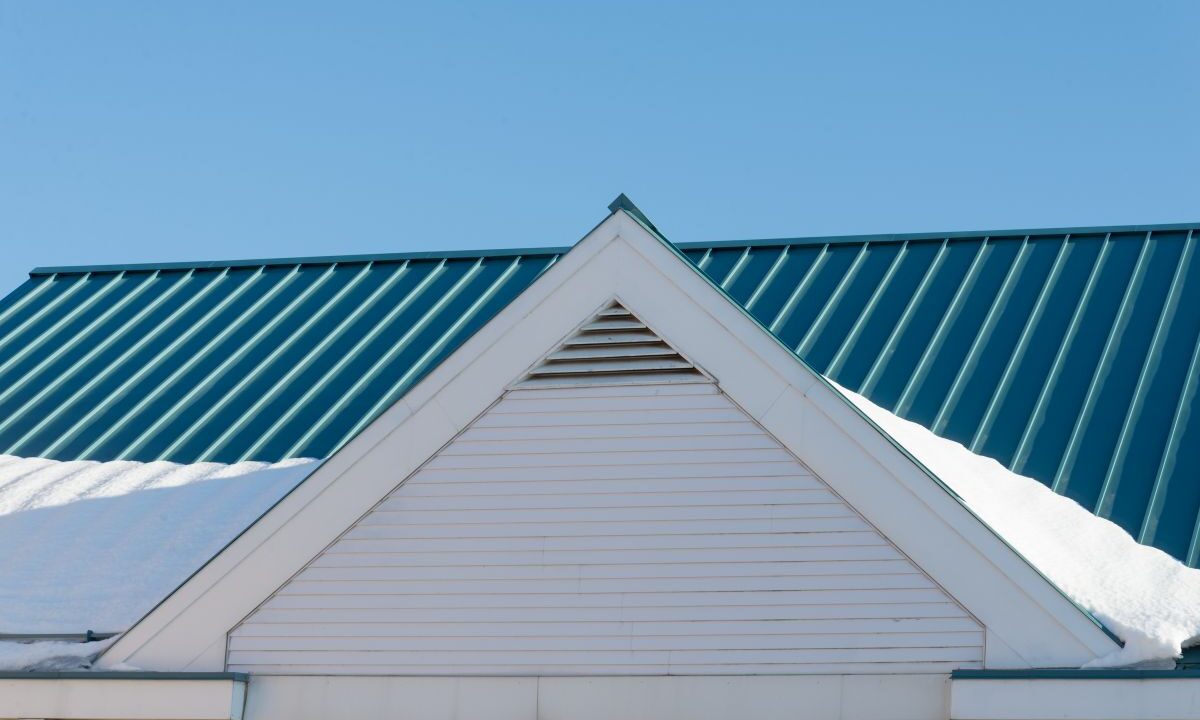
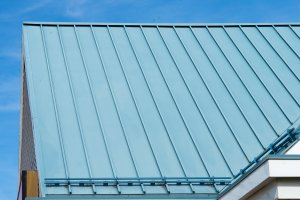 One of the biggest advantages of a metal roof is its light weight. In fact,
 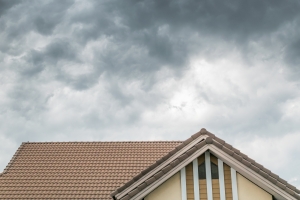 Metal roofs are ideal for those living in areas that are prone to hurricanes and tornadoes because they can stand up to the high winds and other conditions seen in such storms. In fact, many metal roofing systems can handle winds exceeding 140 miles per hour, like those seen in an F2 tornado. When attached with clips or screws, wind should not be able to get underneath metal roof panels.
 Metal roofs are robust and designed to stand up to typical weather conditions. However, in areas that experience large-sized hail on a regular basis, some denting may occur, particularly if the roof is composed of a soft metal such as aluminum or copper. Those living in areas where this is a concern can avoid this problem by choosing metal roofing shingles, shakes or metal roofs that have patterned structures to provide additional rigidity. In addition, choosing higher-gauge steel can increase a metal roof’s durability.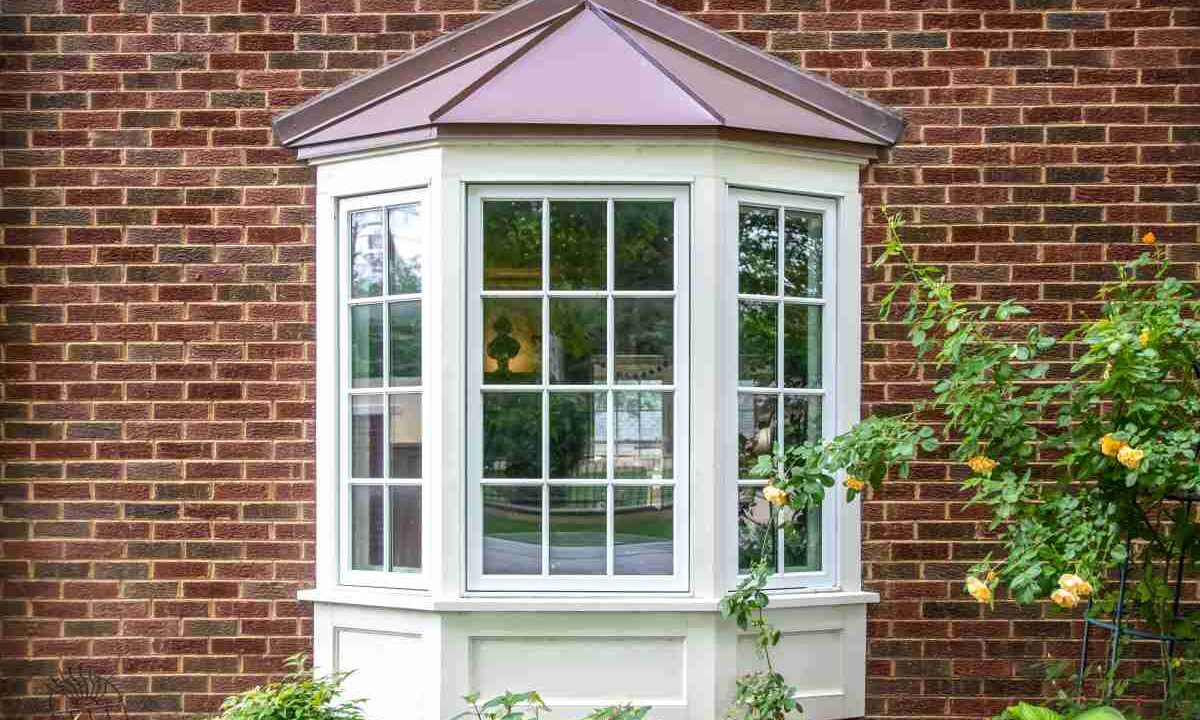
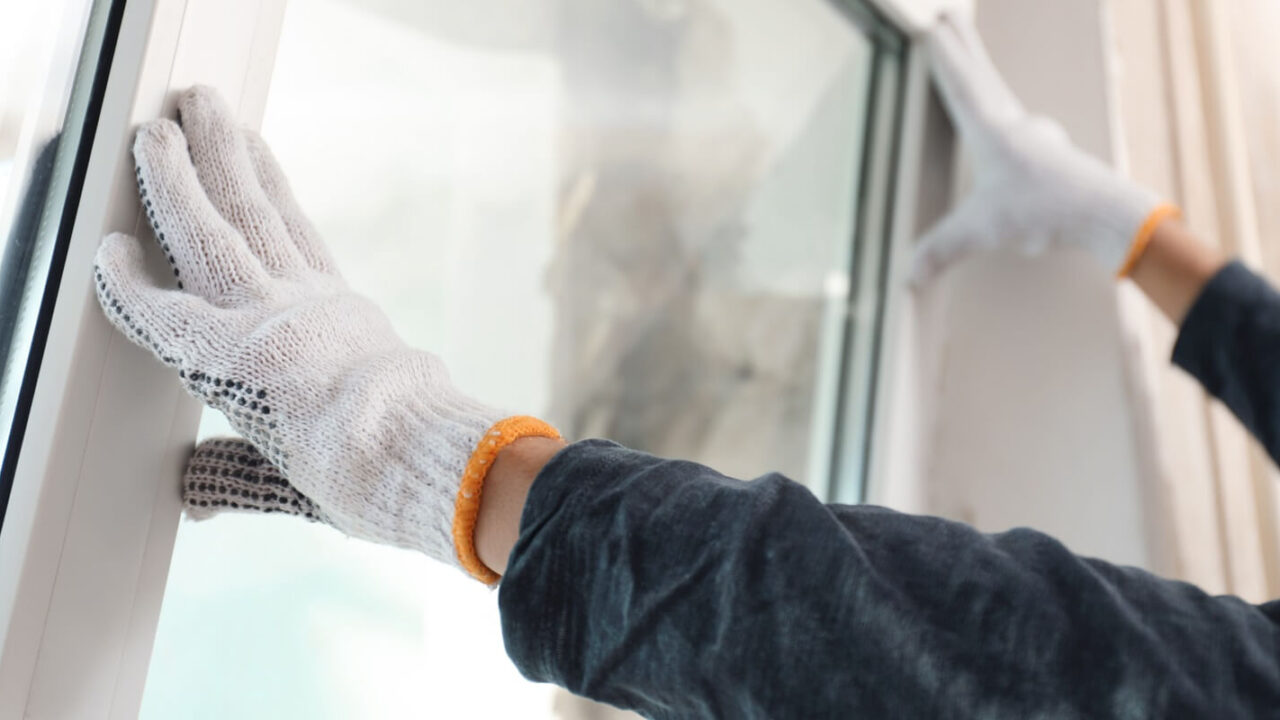
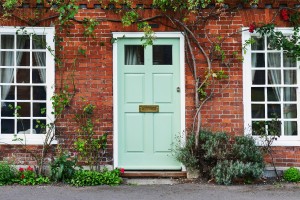 The main distinction between replacement and new construction windows is their general type and purpose. New construction windows are designed to be installed in a home that has
 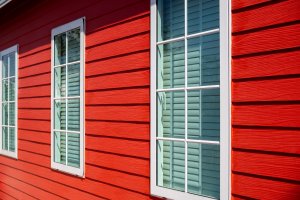 A broad range of new construction windows are easily accessible to consumers, with home improvement centers often carrying a good selection of new construction window sizes and types.
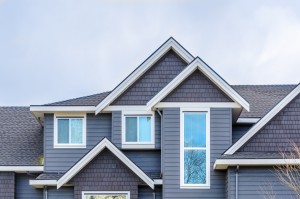 In general, any time a wall system is either undergoing original construction or a substantial renovation, a new construction window is the right choice. New homes, outbuildings and additions all require new construction windows when they are first being built.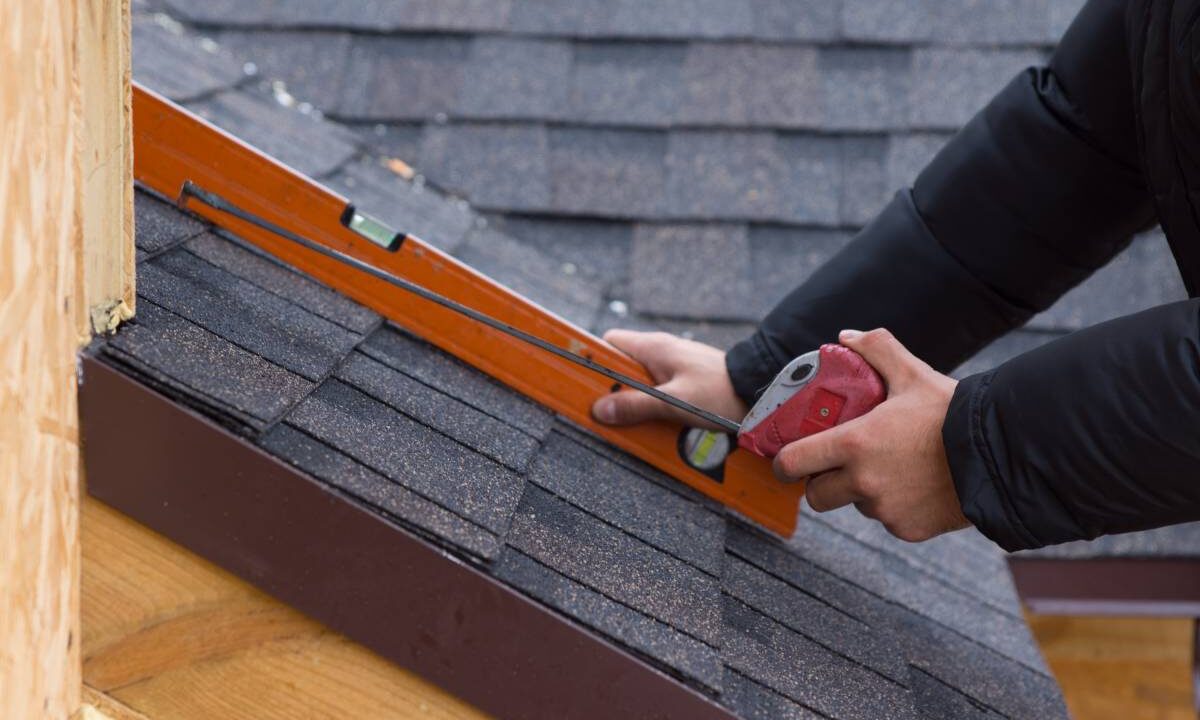
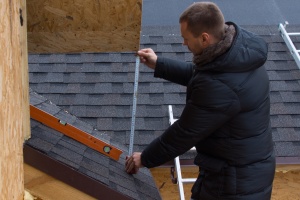 The pitch of a roof is a measurement used to describe how steep it is. It is a very simple calculation to perform; just determine the number of inches that it rises vertically for every foot that it extends horizontally. For example, a roof rising 8 inches for every 12 inches it extends horizontally is said to have an 8/12 pitch.
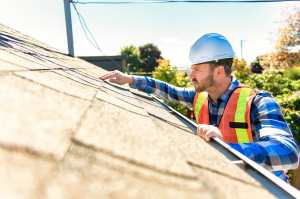
 The pitch of a roof on an existing home can be measured from inside the attic. Gather an 18-inch or 24-inch level, a pencil and a tape measure and head to the attic. Measure 12 inches from one end of your level and mark it. Then, place the end of the level along the bottom of one of the rafters in the roof and hold it level. Next, find the 12 inch mark that you made previously on the level and measure vertically directly upward to the underside of the rafter; This indicates the number of inches that your roof rises for 12 inches of horizontal extension.
 Flat
Flat 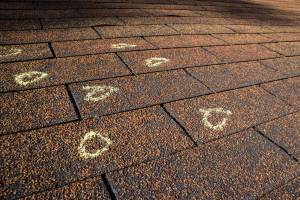 A flat roof is not usually truly flat. Instead, most flat roofs slope to one side very slightly to facilitate
 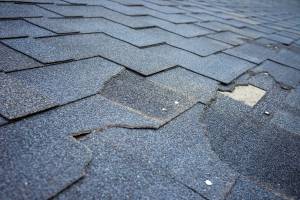 In some cases, homeowners can repair simple leaks or cracks by using a patch of their roofing material. For example, an EPDM roof can be easily repaired using adhesives or heat guns in many cases. Materials like PVC and TPO, however, generally need professional repairs.