
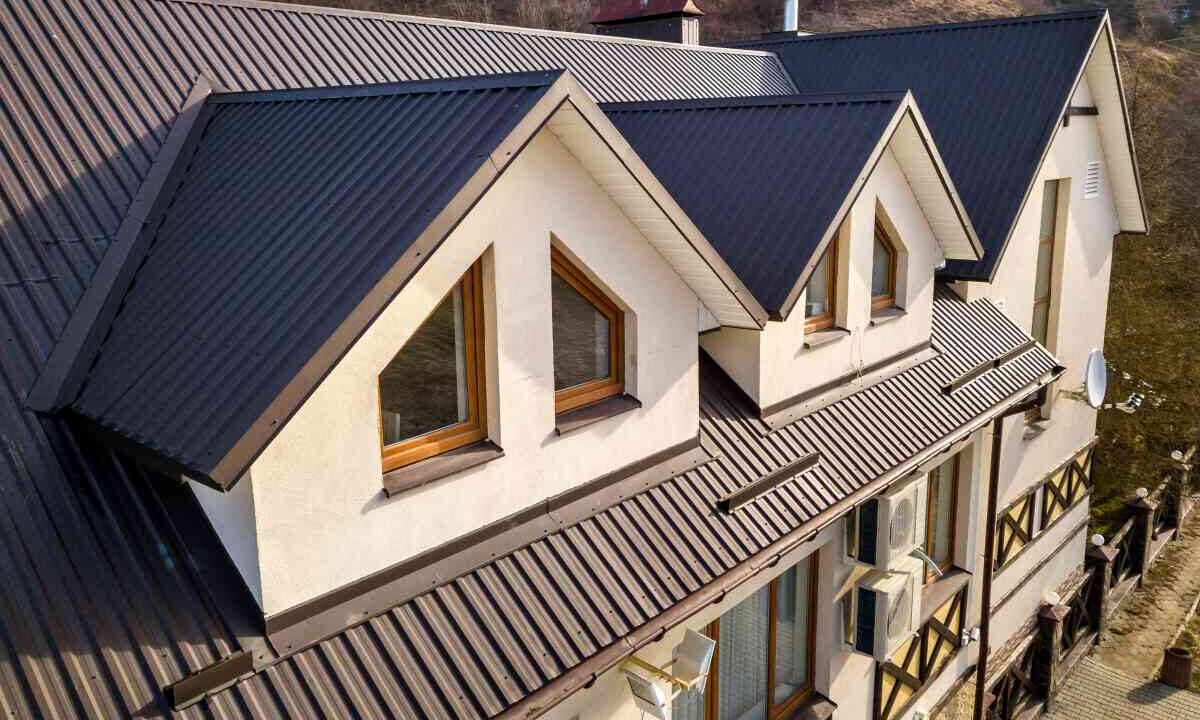
Metal roofing has become so popular in recent years that some home contractors believe it could threaten asphalt’s position as America’s favorite roofing material. Although metal roofing comes with a higher price tag than its asphalt counterpart, its durability means that it may provide a better return on investment in many cases.
How long does a metal roof last, and what factors can influence its longevity? Here is a look at the most important considerations.
Average Lifespan of a Metal Roof
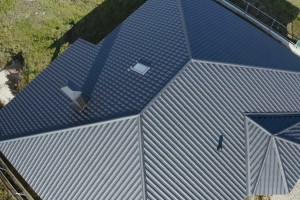 The typical lifespan of the average metal roof is around 30 years, but there are several factors to consider when determining how long a specific metal roof will last. The main distinguishing characteristic is the type of metal roof that is being installed, specifically whether it is screw-down panel metal roofing or standard seam metal roofing.
Screw-Down Panel Metal Roofing
This type of metal roofing is composed of metal panels that are screwed down in a way that leaves their fasteners exposed. This is why it is sometimes referred to as an exposed fastener metal roof. Screws and washers are drilled through the face of the metal to keep the panels in place.
With proper roofing installation, this type of roof can last for 20 years with no maintenance on the part of the homeowner. However, homeowners who are willing to carry out periodic maintenance can extend this type of roof’s lifespan up to 30 years.
Because this type of roof is screwed down, it is not capable of expanding and contracting in response to changing temperatures. Therefore, it is not a good choice for roofing that will be placed over heated spaces. However, it may be suitable for detached garages and other outbuildings.
Standing Seam Metal Roofing
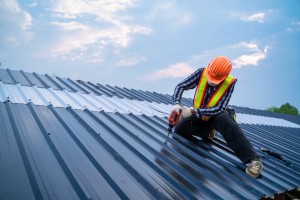 Standing seam metal roofs are made up of a series of metal panels that are locked together at their seams or seamed together using a mechanical process. This means that the roof has the ability to expand and contract as the metal gets hotter and colder with the weather.
When a standing seam metal roof is properly installed, it can last for a minimum of 30 years. However, to get the most out of this type of roof, the attic must be ventilated sufficiently. Under ideal conditions, roofing contractors report that this type of roof can last for 50 years or even longer.
Factors Affecting the Longevity of a Metal Roof
No matter which type of roof you choose, there are a few major factors that can impact its actual lifespan.
Climate and Weather
Roofs are exposed to significant wear and tear throughout the year, which means the climate and weather in your area have a significant impact on how long the roof will last. In particular, locations that are subject to heavy rain storms and considerable amounts of hail or snow may find their roof panels weakening. Similarly, screw-down metal roofs may not last as long in locations where the temperatures are very high in summer given the inability of the roof to expand and contract. The best course of action is to ask your roofer how long you can expect the metal roof you have chosen to last in your area.
Maintenance
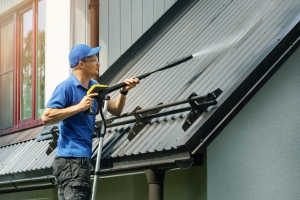 One of the reasons behind the popularity of metal roofs is the fact that they generally require very little maintenance. However, carrying out various maintenance tasks can extend their lifespan. For a standing seam metal roof, minor maintenance may be needed around penetrations such as gas pipes and vent pipes. With screw-down metal roofs, the screws may need to be replaced after several years with a bigger size as they may wallow out due to the pressure created by their inability to expand and contract. Skipping this important step could lead to major roof problems.
No matter which type of roofing you choose, regular inspections should be carried out by experienced roofing contractors to identify potential issues before they become major problems. All metal roofs should have sitting debris cleared regularly.
Installation
Proper installation is required for a roof to reach its expected lifespan. In addition, when a metal roof is being installed, its painted finish must be protected carefully as any scratches or other types of damage in the finish can expose the metal to moisture in the air that can lead to rusting. Therefore, it is essential to work with roofing contractors who are experienced in installing this sensitive material.
Learn More About Metal Roofs From Experienced Northern Virginia Roofing Contractors
To find out more about the best type of metal roofing to stand up to the Northern Virginia weather, reach out to the experienced roofing contractors at Adelphia Exteriors. Call us at (703) 386-7357 or fill out our online contact form to learn out more about our professional roofing installation and replacement services.
 In Centreville,
 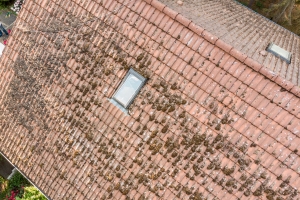 Debris has a way of accumulating on roofs, even those that have a steep angle. Branches, leaves and other debris can collect on the surface of the roof, leading to drainage problems and the buildup of water.
 Although minor roof issues may not seem particularly pressing, addressing them promptly is essential. Even the smallest cracks and leaks can quickly turn into
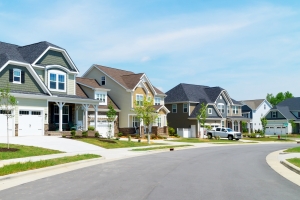 One of the top concerns of homeowners when choosing a roof, particularly among those who are unfamiliar with the more technical aspects of roofing, is its appearance. This is strictly an aesthetic concern, but it is important to pay attention to curb appeal as it directly impacts your home’s resale value and future sale prospects.
 Your roof’s pitch plays an important role in its functionality, impacting how well snow, water and debris is shed from the surface of the roof. A steeper
  Another important functional consideration for Northern Virginia roofs is your
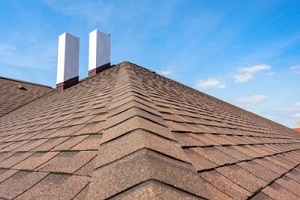 Roofs of all types provide homes with valuable protection from the elements.
 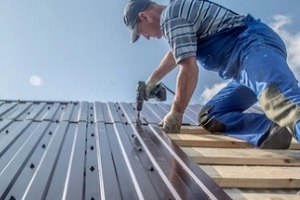 Its resistance to wind uplift and leaks makes it a great choice for standing up to storms. There are numerous color options available, and metal roofs look nice on most styles of home. The only type of home that should not consider a metal roof is one with a flat roof.
 For eco-conscious homeowners who want to reduce their carbon footprint but are not prepared to pay the high prices of solar panels, a cool roof is a good option for sustainability in Fairfax.
 There are
  The relatively moderate temperatures in Springfield mean that most windows will perform up until the higher end of the expected lifespan for their material.
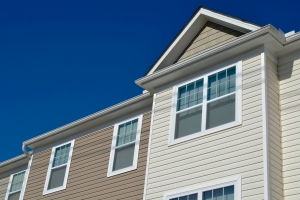 Siding can last from 15 to 100 years in Springfield depending on its material, the quality of the installation, how well it is maintained, and any damage it sustains from bad weather or storms.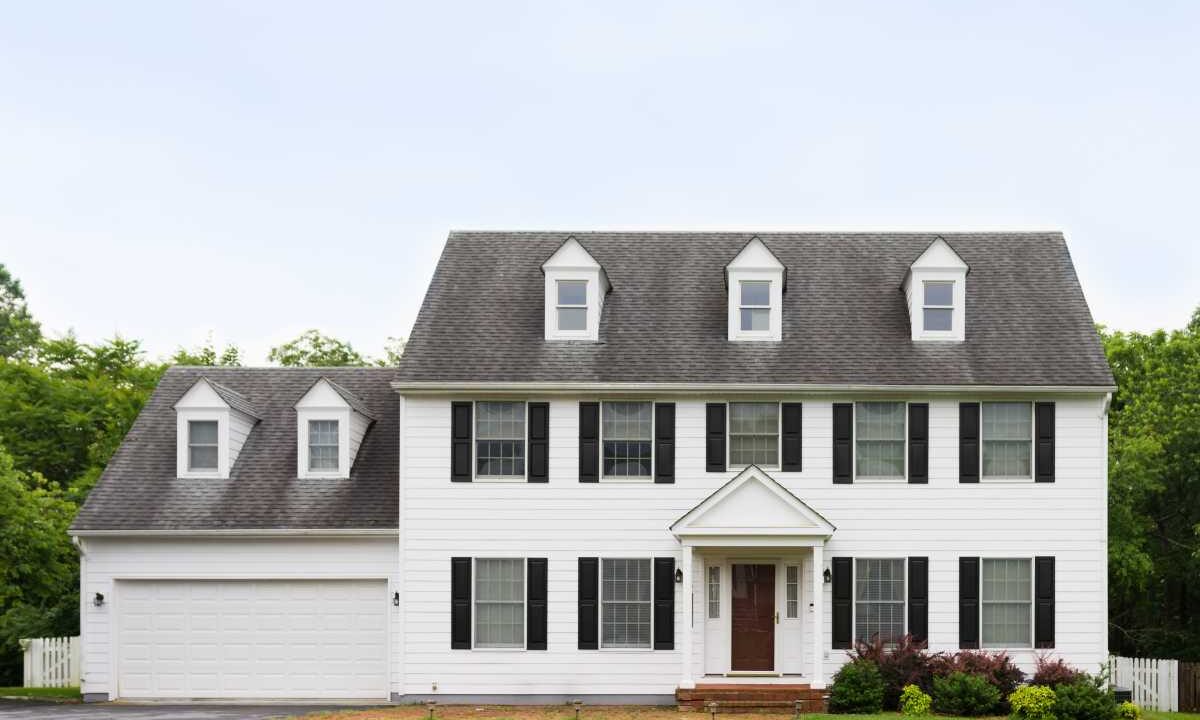
 There are several ways that Fairfax homeowners can help their roof last longer. One step that many people overlook is
  Proper window maintenance extends beyond regular cleaning. It is also important to keep your window tracks cleaned and lubricated. These areas of the window tend to attract dust and dead insects in Northern Virginia homes, and this debris can cause your windows to get stuck if it builds up over time. Clean the tracks with vinegar and cotton swabs, and then wipe them down using a silicone-based lubricant.
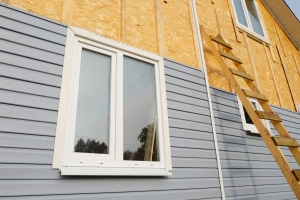 Keeping siding in top shape in Fairfax is relatively straightforward. The key to extending the lifespan of any type of siding is cleaning it regularly to remove the type of dirt and mildew that can threaten its longevity.
 A roof plays a central role in protecting your home and keeping it insulated. Unfortunately, many homeowners do not give their roof much thought until something goes wrong. The best way to ensure your roof performs as expected is by scheduling regular
  If you suspect that your roof is approaching the end of its lifespan, a professional roof inspection can let you know
  If you have a roofing warranty, it is essential to read the fine print and make sure you are adhering to the required inspection schedule.
 Many Alexandria homeowners wait until their roof has sustained damage to call in professionals, but regular inspections can make a big difference when it comes to maximizing your roof’s lifespan. Even if you believe your roof looks fine, a yearly inspection is vital for detecting issues that are just beginning to develop so they can be addressed before expensive repairs or replacements are ended.
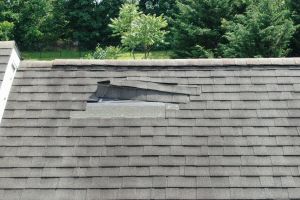 Another important maintenance task for preserving your roof is cutting trees that are hanging over it. When you trim branches that are shading the roof, it will allow sunlight to penetrate it, preventing the growth of algae and moss. It can also help you avoid severe damage caused by long tree limbs breaking off and falling onto the roof in high winds or storms. A good rule of thumb is to make sure branches are at least 10 feet away from the roof.
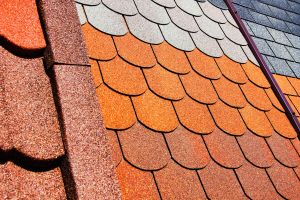 One of the biggest factors that determines your roof’s longevity is its material. While asphalt shingles typically last around 20 to 30 years, other materials last much longer. For example, metal roofing can last up to 50 years, while tile and slate can last for 100 and 150 years, respectively. This longevity comes with a higher price tag, however.