
No money down, 0% interest financing options available!

View Financing
  • Skip to primary navigation
  • Skip to main content
  • Skip to footer
6371 Rolling Mill Place, Suite 101, Springfield, VA 22152
  • About
  • Areas Served
  • FAQs
  • Financing
  • Warranties
  • Blog
  • Gallery
  • Testimonials
  • Contact
Adelphia Exteriors

Adelphia Exteriors

Northern VA Roofing, Siding & Window Contractors

  • Residential
    • Windows
      • Installation
      • Replacement
    • Siding
      • Installation
      • Replacement
      • Hardie Siding Replacement
    • Painting
    • Gutters
    • Insulation
    • Storm Damage
  • Commercial
    • Siding
      • Siding Installation
      • Siding Replacement
      • Hardie Siding Replacement
    • Painting
    • Roofing
      • Installation
      • Replacement
    • Gutters
    • Insulation
  • (703) 880-8648
  • Resources
    • About
    • Blog
    • FAQs
    • Testimonials

Blog

damaged brown roof shingle

January 15, 2023

A Comprehensive Guide to Evaluating Your Roof for Storm Damage

rain flows down from a roof downYour home’s roof serves as an essential shield, protecting you, your loved ones, and your possessions from the elements. Yet, this constant exposure to nature’s forces makes your roof susceptible to various types of damage, particularly in the aftermath of a storm.

Storms, with their high winds, hail, heavy rain, and debris, can compromise even the sturdiest roofs. Once the storm has safely passed, it’s imperative to inspect your roof for any damage.

While some issues may be inconspicuous, a visual inspection can reveal many types of storm-related damage. Identifying and addressing these problems promptly can prevent more extensive and costly damage in the future.

Here’s a comprehensive guide on how homeowners can assess their roofs for storm damage and ensure their homes remain safe and well-protected.

Safety First: Wait Until Conditions Are Safe for Inspection

While prompt roof repairs are essential, safety should always be your top priority. Even if it’s safe to venture outside after the storm, remain vigilant for immediate hazards. If you encounter flooding, downed power lines, or other electrical dangers, leave the area immediately and contact the appropriate authorities.

Evaluating Your Roof for Hail Damage

Hail can wreak havoc on your roof, the effects of which are typically observable. During a hailstorm, you’ll likely hear and witness hail striking your roof and windows, often leaving ice pellets on the ground. If you suspect your area experienced hail, waste no time in inspecting your roof.

One key concern is missing shingles, which can be glaringly evident if you find shingles scattered around your property. However, high winds during the storm may have carried shingles farther afield. Look for irregularities in your roof’s pattern or exposed roof sections, and scrutinize your shingles for signs of curling, cracking, denting, or buckling.

Examine your gutters and downspouts for debris accumulation, particularly loose asphalt granules. Additionally, inspect your flashing and downspouts for any dents or detachment from your home. The combination of heavy rain and wind can dislodge asphalt material from the shingles, causing it to accumulate in these areas.

Assessing Your Roof for Wind Damage

Powerful winds can displace shingles or deposit heavy trees and branches onto your roof. Shingle displacement can expose your roof deck and underlayment to the elements, making your home susceptible to water damage.

storm damage sign board with damaged roof in backgroundIn the wake of high winds, inspect asphalt shingles for signs of cracks, missing pieces, or curling. Check for signs of mold, rot, or splintering for wood shingles or shakes. Flat roof owners may encounter damage such as tears, cracks, wrinkles, or bubbles on the roof’s surface.

Don’t forget to inspect your flashing for any tears or buckling, as well as other potential damage, such as loose or deteriorating bricks in your chimney and roofing cement. Examine your downspouts and gutters for rust, rot, missing sections, or dents.

Although the storm will not directly damage rot and mold, those areas are particularly vulnerable to storm damage and should be noted and avoided.

Detecting Roof Water Damage

Water damage signs can be more subtle and may take longer to manifest than hail or wind damage. Vigilance in detecting water damage and leaks is essential to safeguard your home’s foundation and structure.

Inspect your ceilings for discoloration or water spots, and examine interior walls for signs of peeling, bubbling, or cracking in paint or wallpaper. Keep an eye on roof gutters to ensure proper water redirection, preventing potential structural damage or mold growth due to water pooling near your home.

Check the attic and basement for any signs of leaks, mold, or musty odors. Another indication of water damage is moisture or fog accumulation between your window panes.

When to Call the Roofing Professionals

Not all storm damage is easily visible to the untrained eye or safe for homeowners lacking training or proper equipment. These and others are situations that make it essential to call in a professional for a thorough inspection. Here are some key factors to consider when deciding if you should enlist the expertise of a roofing professional:

Severity of the Storm

If the storm that passed through your area was exceptionally severe, with high winds, large hail, or heavy debris, it’s more likely that your roof may have sustained significant damage. In such cases, it’s advisable to have a professional roofing contractor assess the situation. They have the experience and tools to identify hidden damage that may not be immediately apparent.

Age of Your Roof

The age of your roof can also influence your decision. Older roofs are generally more susceptible to damage, and even minor issues can lead to more significant problems. If your roof is nearing the end of its lifespan, a professional inspection is a prudent step to ensure any damage is addressed safely and promptly.

Safety Concerns

Safety should always be a top priority. Climbing onto your roof can be risky, especially if it’s steep or has a high pitch. If you’re not comfortable with heights or lack the necessary safety equipment, it’s best to leave the inspection to the professionals who are trained to work safely at elevated heights.

Insurance Claim

home roof damaged by pouring rainIf you plan to file an insurance claim for storm damage, having a professional inspection and assessment can provide essential documentation to support your claim.

Insurance companies often require detailed reports from qualified experts to process claims efficiently. In these situations, contacting a reputable roofing contractor can give you peace of mind and ensure that any storm-related damage is properly addressed.

Their expertise will help you make informed decisions about necessary repairs or replacements, ultimately safeguarding your home and its longevity.

Consult Adelphia’s Experienced Roof Repair and Replacement Team

While a visual inspection is a good start, a professional roof inspection is the most reliable way to assess your roof for storm damage accurately. Seasoned roofing contractors can identify even subtle signs of damage and address them before they escalate into major issues.

At Adelphia Exteriors, our experienced Northern Virginia roofing contractors specialize in ensuring your roof remains resilient against the elements. Contact us today to learn more about our comprehensive roofing services and safeguard your home’s structural integrity.
category iconRoofing

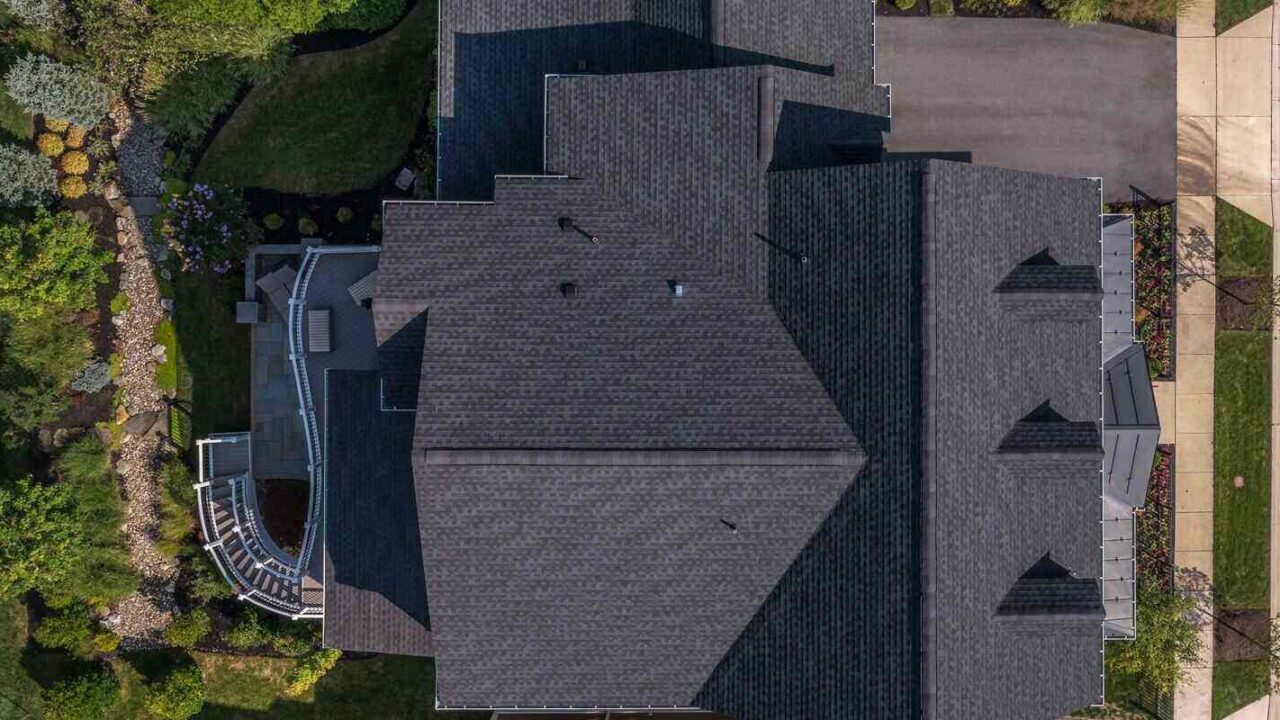
top down view of a complex hip and valley pitched roof with three dormers on a new construction American luxury single family house

January 8, 2023

A Brief Guide to Hipped Roof Extensions

wateproofing roof problem area with asphalt shingles and rain gutterWhen it comes to enhancing your existing home’s living space and boosting its value, a hipped roof extension can be a savvy and cost-effective solution. If your house sports a roof with four or more sloping sides that meet at a corner, chances are you have a hipped roof. While these roofs were traditionally characterized by equal-length slopes, contemporary designs often feature asymmetrical hipped roofs.
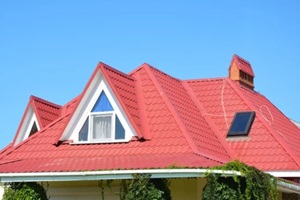
A hipped roof extension offers versatile options for expanding your living space while seamlessly blending with your home’s existing roof structure. Alternatively, it can be used to create a striking contrast with the home’s main roof, lending a modern aesthetic.

In this comprehensive guide, we’ll look at the possibilities hipped roof extensions offer, explore their pros and cons, and provide essential factors to consider when determining if this is the right choice for you.

Unlocking the Potential of a Hipped Roof Extension

Hipped roof extensions open doors to numerous home improvement opportunities. Depending on their size and configuration, these extensions can serve various purposes, such as adding extra living space, including bedrooms, living rooms, dining areas, or kitchens.

Homeowners with an entrepreneurial spirit often use this space for home offices or hobby rooms, while others opt for an additional bathroom. Furthermore, hipped roof extensions are a popular choice for creating inviting sunrooms that let you bask in natural light and connect with the outdoors.

The Advantages of a Hipped Roof Extension

Opting for a hipped roof extension brings several notable benefits. First and foremost, its self-bracing design makes it an excellent choice for homes located in areas prone to heavy winds or snowfall. The roof’s unique slope configuration ensures rainwater doesn’t accumulate, reducing the risk of mold and humidity-related issues.

For added drainage efficiency, gutter installation around the roof’s perimeter is a popular option. Additionally, hipped lean-to style roofs can seamlessly extend a single-story home without obstructing existing windows, offering practicality and aesthetics. The interesting angles created by this roof type inside the extension can also infuse character into the room’s design.

Navigating the Drawbacks of a Hipped Roof Extension

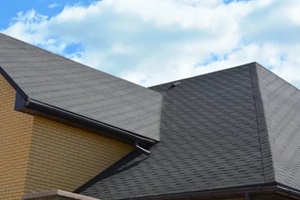
valley and gable roofing construction with attic windowsWhile hipped roof extensions pack numerous advantages, there are a few potential drawbacks. Their construction typically requires more materials than gabled roofs, making them relatively more expensive.
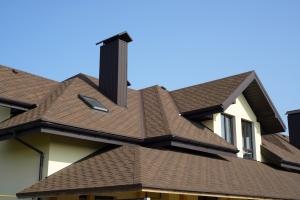
Additionally, the increased number of seams in a hipped roof creates more opportunities for leaks. However, with meticulous installation and regular maintenance, these issues can be effectively managed.

Materials Matter for Hipped Roof Extensions

Hipped roof extensions can be constructed using a variety of materials, but some considerations apply. For steeply pitched hipped roofs, heavier materials such as cedar shakes, slate, and clay tiles may not be ideal due to the challenges of installation on such angles and potential weight limitations.

Factors to Consider Before Embarking on a Hipped Roof Extension Project

Before committing to a hipped roof extension, several factors should be taken into account:

Compliance and Permissions

Ensure that your extension complies with local building regulations and obtain any necessary planning permissions from local authorities before commencing the project.

Design and Planning

Collaborate with an architect to visualize how the extension will harmonize with your existing home and surroundings. Inspiration from online sources, magazines, or neighboring homes can help convey your vision to your roofing contractor and architect.

Budget Considerations

Undertaking a roof extension is a substantial investment; therefore, be sure to consider factors regarding size, materials, labor costs, and planning fees. Prioritize weatherproof, durable materials that complement your existing home; cutting corners may lead to long-term issues.

A hipped roof extension is a smart investment that can significantly enhance both the functionality and aesthetic appeal of your home. Whether you choose to harmonize it with your existing roof or create a bold architectural statement, the versatility of hipped roof extensions is truly remarkable.

By seamlessly expanding your living space, you not only improve your quality of life but also increase the overall value of your property. A home improvement can be an exciting opportunity for significant change; remember to consider your specific needs, budget, and local regulations.

Careful planning and collaboration with experienced professionals will ensure that your hipped roof extension project is a resounding success.

roofing installation for a falls church homeSo, whether you’re looking to create a cozy new living area, a spacious home office, or a stunning entertainment space, a hipped roof extension is a versatile and cost-effective solution that can make your dreams a reality. Be sure to enlist experts for your project; reach out to trusted contractors who specialize in hipped roof extensions.
Partner with the Hipped Roof Experts at Adelphia Exteriors

If you’re considering a hipped roof extension to expand your living space and elevate your home’s value, consult the experienced Northern Virginia roofing extension specialists at Adelphia Exteriors.

Our team can guide you through the decision-making process, providing insights into the pros and cons of this extension type and helping you select the right materials to match your home’s style and our local climate. Contact Adelphia Exteriors today to get started.

category iconRoofing

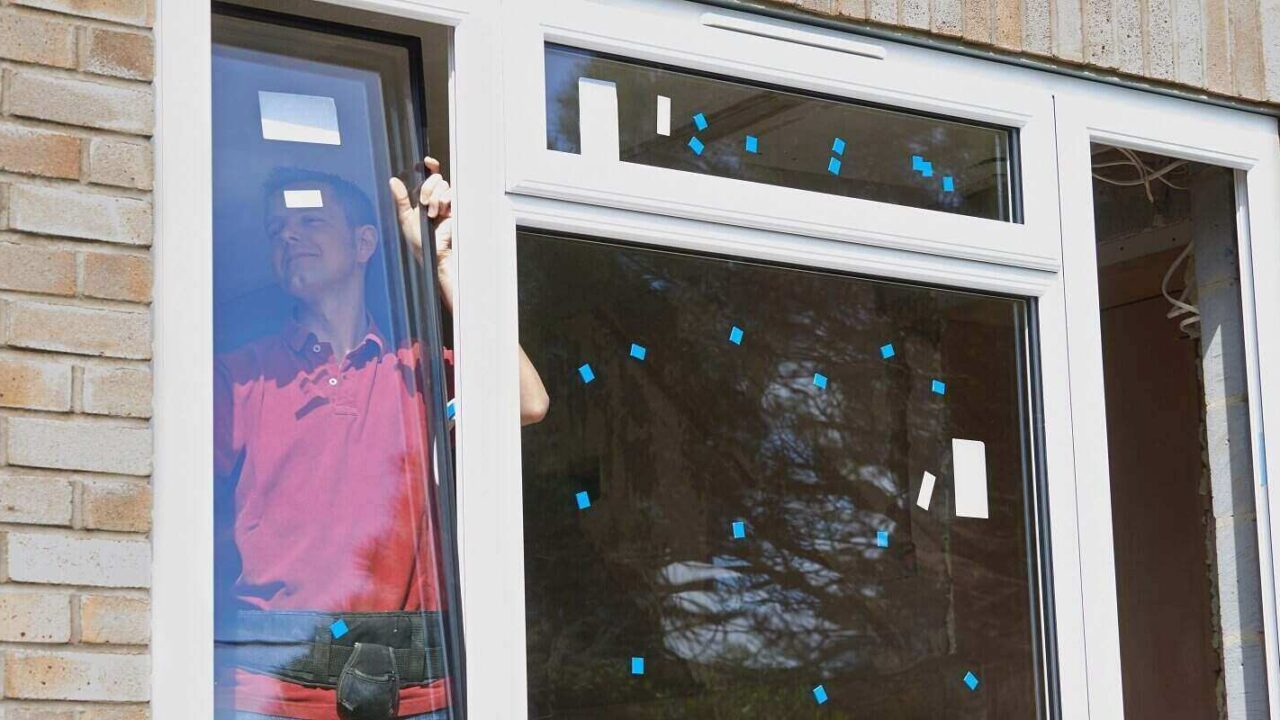
construction worker installing new windows in house

January 2, 2023

Performance Ratings & Factors to Consider for Replacement Windows

worker put window sash into new installed frameWhen replacing the windows in your home, there are several important considerations, from the local climate to your home’s condition, the orientation of the windows, your energy bills and your budget. Here is a look at performance ratings and other factors to consider for replacement windows.

U-Factor

The U-factor is a rating system that was developed by the National Fenestration Rating Council, or NFRC, a nonprofit group aimed at providing independent labeling and ratings for the energy efficiency of various building components. It is one of the factors considered by the U.S. Department of Energy and Environmental Protection Agency’s Energy Star program.

What are low U-factors? They indicate that a window has excellent resistance to heat flow and greater insulation, while a high U-factor indicates a less efficient window that is not as good at insulating.

In colder climates in the northern part of the country where heaters are used frequently in winter, the ideal U-factor will be 0.30 or less.

In the mixed climates found in the Midwest and Northern United States, where both heating and cooling are used, a U-factor of 0.32 or less should be the goal, while in mixed climates in the central and southern parts of the nation where both heating and cooling are used, homeowners should aim for a U-factor of 0.35 or less.

Finally, in the cooling-dominated areas of the south where the climate is generally hot year-round, look for a U-factor of 0.60 or less.

Solar Heat Gain Coefficient (SHGC)

Solar heat gain coefficient, or SHGC, refers to the amount of solar radiation that is able to pass through a window and can quantify the amount of energy efficiency offered by a specific window. Understanding the way a window performs in relation to solar heat and sunlight facilitates the process of choosing the right windows for a particular installation.

window is open wind blows curtain sun shining through windowSHGC is described using a ratio in which 1 is the maximum amount of solar heat that is allowed through a window, while 0 means that the least amount of light possible is allowed through.
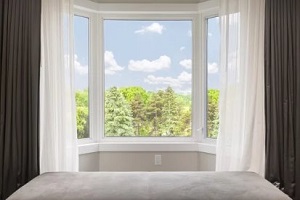
For colder northern climates, an SHGC in the range of 0.30 to 0.60 is ideal as these windows can allow the solar heat that is gained to warm the home, although the window’s U-factor is a more important consideration than SHGC in these areas.

However, in the north and Midwest, where the climate is mixed, windows should have an SHGC below 0.40. In the mixed climates in the south and central areas of the nation where both heating and cooling are used, it is best to keep the SHGC under 0.30.

It is in the cooling-dominated south where choosing windows with a low SHGC is the most advantageous as the main concern in these areas is ensuring the interior of the home remains cool. An SHGC of less than 0.27 is ideal in these areas.

R-Value

R-value is a measurement that is used to quantify the thermal resistance offered by a window. It measures thermal conductance, making it the inverse of the U-value. It describes the effectiveness of a window’s insulation and how well it resists the flow of heat.

A higher R-value will indicate greater resistance to heat flow and more effective insulation. It is important to note, however, that although R-values do provide useful data for comparing different types of windows, this figure only applies in windows that have been properly installed.

An R-value will usually be within the range of 0.9 and 3.0. A higher R-value indicates a more effective window, so it is important to seek the highest R-value possible regardless of the zone in which the home is situated.

Visible Transmittance (VT)

bay windows in bedroomAlso known as visible light transmission, visible transmittance is a measurement indicating the amount of light in the spectrum’s visible portion that passes through a window.
A higher number indicates a greater amount of light is able to pass through the glass. It is expressed as a number from 0 to 1, with a VT of.5 meaning that 50% of light gets through, while a VT of .95 indicates that 95% of light will get through.

In colder climates, many homeowners wish to maximize the amount of light that enters through a window. However, it is important to keep in mind that the tradeoff may be an undesirable amount of solar heat gain.

In general, the VT you need does not depend on your geographical region. Instead, it will be determined by the home’s specific daylighting requirements and the homeowner’s desire to reduce the interior glare within a space.

Condensation Resistance (CR)

The condensation resistance, or CR, is another rating that is used by the NFRC, and it determines how well a specific window resists condensation.

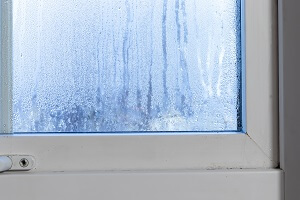
condensation on the window inside the houseIt is expressed on a scale from 1 to 100 and is calculated by measuring the interior surface temperature of the window at indoor relative humidities of 30%, 50% and 70% at an air temperature of 0 degrees Fahrenheit under wind conditions of 15 miles per hour.
A higher number is more desirable as it indicates the window has a better ability to resist condensation. This is another figure that does not have an ideal number based on geographical location. A higher number is better regardless of where you live; homeowners should aim for a CR rating of between 30 and 80.

Contact the Window Replacement Specialists at Adelphia Exteriors

There are many considerations that go into choosing the right windows. The window replacement specialists at Adelphia Exteriors can help you choose the best windows for the Northern Virginia climate as well as your home’s specific concerns. Contact us today for a free estimate.

category iconWindows

aluminum and PVC windows and doors production

December 26, 2022

What Are Low U Factor Windows?

worker installing new windowsWhen shopping for energy-efficient windows, one metric you will come across is the U factor. Also sometimes referred to as the U value, it represents the rate of the window’s loss of non-solar heat. It is important to understand what this figure means when you are planning a new build or updating your home with more energy-efficient windows.

Here is a closer look at low U-factor windows:

What Is U Factor?

The U factor is a rating system that was developed by the National Fenestration Rating Council, or NFRC, a nonprofit group that is in charge of administering an independent system for rating and labeling the energy efficiency of various building components. This includes not only windows but also skylights and doors.

When the US Department of Energy awards its ENERGY STAR certification to windows, U factor is one of the metrics that is taken into account. It is also used to determine eligibility for federal incentive and rebate programs.

When it comes to U factor, a lower number is better as this indicates the windows that boast the best resistance to the flood of heat and, by extension, optimal insulating qualities. Windows that are less efficient do not insulate well and will have a high U factor.

The overall combination of a window’s U factor, solar heat gain coefficient, sunlight transmittance and air leakage are all used to calculate the window’s overall energy efficiency level.

bay windows in bedroomThe temperature difference that is found between the inside and outside of a building creates a non-solar heat flow that causes windows to gain heat from outdoors in summer and lose heat to outside in winter. This often prompts homeowners to turn up their air conditioning or heater, which leads to higher utility bills.

In order to achieve better energy efficiency, it is therefore important to examine this quality in windows, and U factor is a way of quantifying it so that it is easier to compare different products.

How Is U Factor Determined?

When you see a U factor labeled on a window, it usually refers to the complete window assembly’s energy efficiency. This includes the glazing as well as the spacer that separates the glazing panels and the window frame.

In some cases, the center of glass U factor may also be listed. This refers to the performance rating of the glazing on its own as the window spacer will often reduce U factor at the edges of the glazing. For most types of energy-efficient windows, the U factor of the full window assembly will be higher than that found at the center of the glass.

U factors that are 0.30 or lower are highly energy efficient; you may encounter figures that are even lower in triple-pane windows or those that feature low-emittance coatings.

The ideal U factor for a home will depend on the climate zone in which it is situated. For example, the U factor should be 0.30 or lower for windows and homes in colder climates in the northern parts of the country. These areas are where finding the lowest U factor possible is of the utmost importance for minimizing heat loss.

However, in places where air conditioning is not needed often, some windows that allow solar heat gain during the day will still be energy efficient with a U factor up to 0.32. In the south and central areas of the country where both heating and cooling are often needed, the ideal U factor is 0.35 or less.

worker installing window after knowing how often do windows need to be replacedThe heating costs of an individual home can serve as a guide for whether a lower U factor will be more beneficial. Windows with a low U factor are also useful in hotter weather when keeping heat out is a concern, although it is important to keep in mind that having a low solar heat gain coefficient is even more important in these situations.
In the mixed climates found in the Midwestern part of the country where both heating and cooling are used, look for a U factor that is 0.32 or less. For homes with heating bills that are particularly high, switching to a window with a lower U factor can lead to significant improvements in the home’s overall energy efficiency.

Finally, in the southern part of the country where the weather is typically very hot and air conditioning is used frequently, a U factor of 0.60 or less is acceptable. While it is still true that lower U factors are better, this metric is less important than the solar heat gain coefficient in this type of climate.

Contact the Northern Virginia Window Replacement Specialists

Many homeowners are pleasantly surprised when they see just how much their utility bills go down when they switch to energy-efficient windows.

For more information about choosing the right windows for the Northern Virginia climate or to learn more about residential window replacement and installation, contact the experienced professionals at Adelphia Exteriors.

category iconWindows

aluminum metal frames with two glasses isolated on white background

December 21, 2022

The Best Energy Efficient Windows For 2023

different type of windowsIf you are looking to replace your home’s windows or wish to reduce your utility bills and make your home more comfortable, you may be considering purchasing energy efficient windows.

Energy efficient windows benefits are best known for reducing utility bills and facilitating a more comfortable indoor temperature throughout the year. However, they can also make your home quieter thanks to their noise insulation properties. Because they do not cost much more than standard windows, energy efficient windows are an excellent investment.

Here is a look at the factors to consider when purchasing energy efficient windows and some of the best products on the market in 2023 that fit the bill.

What Is an Energy Efficient Window?

Energy efficient windows, as the name implies, improve your home’s energy efficiency. They accomplish this by offering greater insulation than a typical window. This means you will experience less heat transfer between the living space within your home and the exterior.

This works both ways, with less heat leaving the inside of your home and making its way outside in winter as well as less heat making its way inside from the outdoors during summer.“Energy efficient” can be somewhat of a subjective term, so you will want to use standardized measurements to compare the windows you are considering purchasing.

There are a few things to look out for when assessing a window’s energy efficiency. For example, some windows carry an ENERGY STAR rating issued by the US Environmental Protection Agency and the US Department of Energy. This indicates windows that are guaranteed to conform to both agencies’ efficiency standards.

Another reading to look out for is one that comes from the National Fenestration Ratings Council, or NFRC, a nonprofit that has created its own rating scale for the efficiency levels of windows.

Some of the measurements that go into these ratings that you can also consider on their own include:

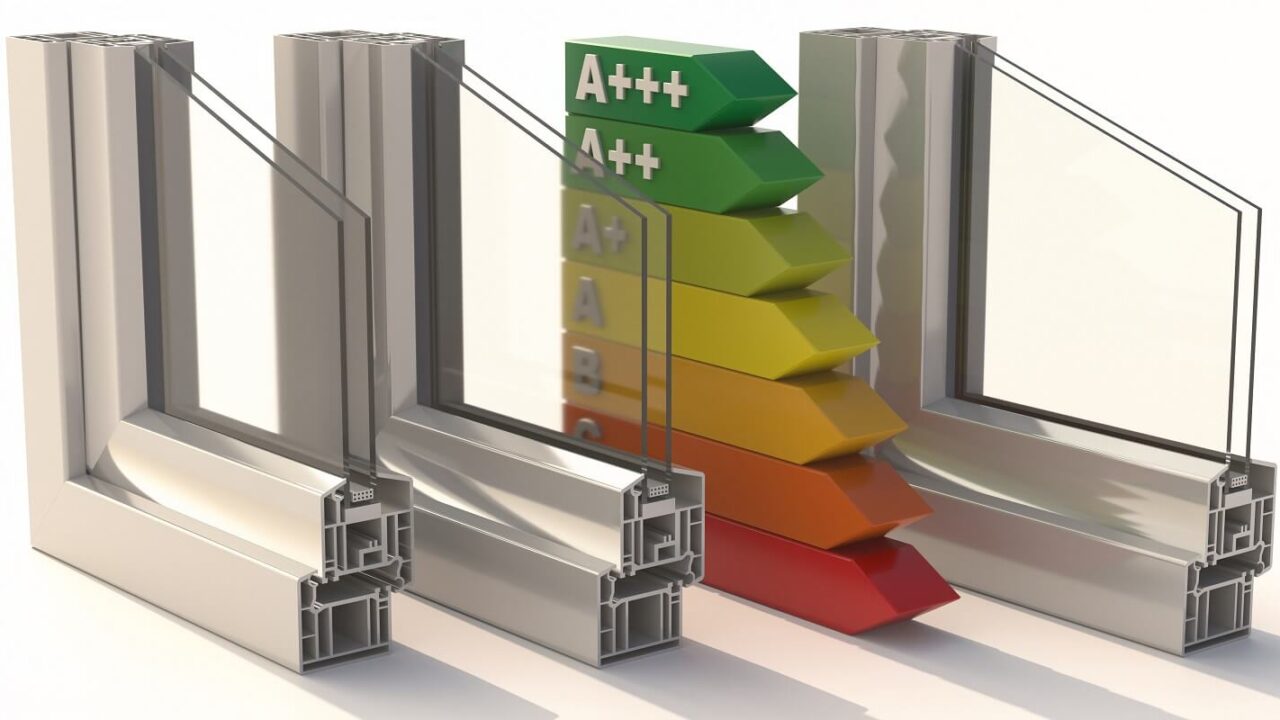
  • U-Factor – The U-factor refers to the rate at which a window loses non-solar heat. Windows that boast the greatest resistance to heat flow and best insulating properties will have a lower U-factor, with numbers below 0.30 ideal for many clients; the lower, the better.
  • Solar Heat Gain Coefficient (SHGC) – This is a figure that represents the fraction of solar radiation that can pass through a window, whether it is transmitted directly or absorbed, and then released within the home in the form of heat. A lower solar heat gain coefficient (SHGC) means a greater shading ability and lower solar heat transmission.

Energy Efficient Window Options

Here is a look at some of the physical components of windows that can make them more energy efficient.

Glazing

windows glazing insulationThe type of glass is one of the most important aspects in determining a window’s energy efficiency. Single-pane windows with just one sheet of glass are the least efficient type of window, but many people purchase them because they are more affordable.
However, when you are looking for energy-efficient models, more panes are better and could result in long-term savings. Double-pane windows are made of two panes of glass that contain a sealed compartment between them with an insulative type of gas such as argon.

Although these are generally energy efficient, there are other factors that go into determining their overall efficiency.

Triple-pane windows, with three panes of glass and two layers of insulative gas, are typically the most energy-efficient models, but there are other factors that must be considered as well in determining their energy efficiency. However, these windows are prohibitively expensive for some people.

Frame Material

The material of the window’s frame will also influence its overall energy efficiency.

  • Aluminum: This is the most affordable type of frame but is also the least energy efficient.
  • Vinyl: Windows with vinyl frames do not cost much more than aluminum ones and offer greater energy efficiency.
  • Wood: Although wood window frames are attractive, they are not considered very energy efficient.
  • Fiberglass: This is one of the most energy efficient windows frame materials and also one of the most expensive.

Coatings and Treatments

Some modern windows have a coating or treatment that enhances their energy efficiency to maximize utility cost savings.

low e glass coating

  • Low-E Glass Coatings – These low-e glass coatings reduce the amount of ultraviolet radiation that comes in through the window while reducing the rate of energy loss through the glass of the windows. When you are shopping for new energy efficient windows, you will find options that have these coatings applied by the manufacturer, but they can also be applied to windows that are already in place for additional energy efficiency.
  • Window Tinting – Another treatment that can be applied either in the manufacturing process or after your window is installed as an add-on is window tinting. This reduces the amount of sunlight that comes into the home, making it popular in places where there is intense sunlight that can fade the room’s furnishings and cause ultraviolet damage.
  • Gas Fills – Many of the windows that have multiple panes of glass have gas fills placed between the panes to offer superior insulating performance compared to regular air. One of the most common types is argon gas, which provides the windows with a greater layer of insulation against the elements.

ENERGY STAR’s Most Efficient Windows

A good guide for the best energy efficient windows for 2023 is ENERGY STAR’s prestigious Most Efficient 2022 list, which identifies standout products that meet their exacting energy efficiency standards.

Some of the windows that were recognized by ENERGY STAR include:

Marvin Wood Ultimate Double/Single Hung Magnum

According to ENERGY STAR, these gorgeous horizontal slider windows boast a U-factor of 0.15 to 0.20, with an SHGC of 0.14 to 0.50 for the wood and clad wood options. Suitable for all climate zones, they are available with multiple exterior woods and finishes to suit a variety of spaces, and they come in expansive sizes up to 10 feet tall and 5 feet wide. Decorative glass options such as beveled and aqualite are also available.

Marvin Clad Ultimate Double/Single Hung Magnum

These horizontal slider windows feature a U-factor in the range of 0.17 to 0.20, with an SHGC of 0.14 to 0.37 for the clad and clad wood windows. These windows are designed for larger residential areas and historic renovations, and they are known for their excellent craftsmanship.

ProVia Aeris Wood Clad Vinyl Double Hung

These wood and clad wood framed horizontal slider windows have a U factor of 0.16 to 0.20 and SHGC of 0.17 to 0.25. They are known for offering the beauty of wood with the durability of vinyl, which means they are as attractive as they are easy to maintain. They are engineered using a unique process that integrates real wood interiors such as maple, oak and cherry with vinyl exteriors, while their insulated framing makes them highly energy efficient.

ProVia Aspect 501 and Endure 601 Vinyl Double Hung

double hung windowsThese horizontal slider windows have vinyl frames and feature U-factors of 0.16 to 0.19 and SHGC of 0.18 to 0.27. The Endure Vinyl windows are made using technology optimized to create windows capable of superior performance.
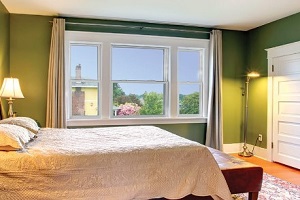
They use significantly less energy to remain warm in the winter and cool in the summer, and they offer greater comfort in every season. They’re available with a range of exterior paint colors, from different shades of white and cream to blues, red, browns and black.

The Aspect Vinyl windows are a mid-range offering that brings affordable energy efficiency to homeowners who want to save on utility bills without making a significant investment in home improvement.

They are extremely durable and contain a high-tech glass package that results in measurable improvements in thermal performance, which equates to lower heat loss, reduced interior condensation and warmer glass temperatures.

Vinylmax 4600/4700/4800 Series

These horizontal slider windows have vinyl frames and U-factors of 0.16 to 0.20 with an SHGC of 0.16 to 0.27.

The Vinylmax 4600 Series Edison windows are versatile options, with a classic appearance and high performance. They feature Vinylmax’s proprietary IdeaSeal triple-protection weather seal to keep the indoors and outdoors separated for maximum comfort and energy efficiency.

The 4700 Series from Vinylmax is an economical option that comes with luxurious design options and cover molded sash details that replicate the appearance of classic wood windows. Like the 4600 windows, they also use IdeaSeal for greater comfort and energy efficiency.

The Vinylmax 4800 Newton windows, meanwhile, are their premium offerings that use Neopor rigid thermal insulation with graphite particles that reflect heat to enhance thermal efficiency.

Vinylmax Radiance Series

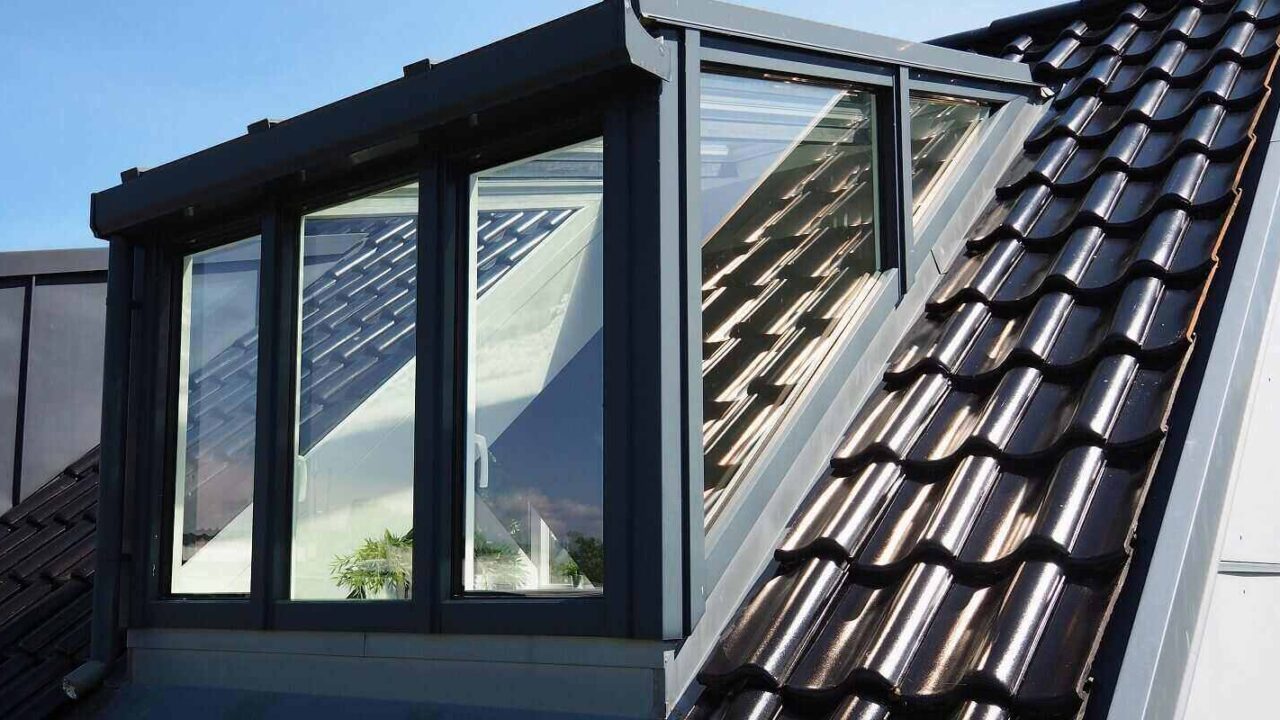
vinlymax radiance window in bedroomThese vinyl-frame horizontal slider windows have a U-factor of 0.16 to 0.20 and SHGC of 0.18 to 0.27. These elegant windows feature IntelliGlass Low-E glass filled with argon for optimal thermal performance.
Vinylmax Prestige Series

These casement-style windows with vinyl frames boast a U-factor of 0.16 to 0.20 and SHGC in the range of 0.16 to 0.23. Known for their appealing design and smooth operation, they are fully customizable through appearance and glass packages.

Reach Out to the Window Replacement and Installation Contractors at Adelphia Exteriors

If you are looking to increase your home’s energy efficiency and reduce energy bills, purchasing the right windows can make a big difference, but even the most energy efficient window will not perform well if it is not installed properly. In fact, proper window installation is just as important as gas fill and frame material when it comes to performance.

Therefore, you need to trust your window installation to experienced professionals. The window replacement contractors at Adelphia Exteriors are known for their precise workmanship and diligence, ensuring that your investment in greater energy efficiency is protected. Contact us today to learn more about our Northern Virginia window replacement and installation services.

category iconWindows

modern classical vertical roof window

December 19, 2022

What Is the Solar Heat Gain Coefficient?

windows in empty roomUpgrading your windows is one of the best investments you can make in your home, and this extends far beyond its curb appeal. Whether your home is uncomfortably hot in summer and too cold in winter or your energy bills have been rising due to excessive air conditioning and heating use, upgrading to energy-efficient windows can make a big difference.

Shopping for energy-efficient windows is much easier than it was in the past thanks to ratings that are designed to help consumers make comparisons based on the energy factors that are most important to them. One factor that is important to understand and assess is the solar heat gain coefficient.

What Does Solar Heat Gain Coefficient Measure?

The solar heat gain coefficient, or SHGC, rating indicates the fraction of solar radiation that is transmitted through a window or absorbed by it. This shows homeowners how much solar heat and sunlight will be released into their home through the windows.

Those with a lower SHGC rating have less solar heat gain and a better shading capability, however, this is not always better. The right choice will depend on the climate in which you live.

The National Fenestration Rating Council is a nonprofit organization that carries out independent testing to assign SHGC ratings for windows and skylights. These ratings are listed on the labels of windows as part of the NFRC’s certification program, along with other factors, and are considered by the EPA and U.S. Department of Energy when evaluating a window’s energy efficiency for federal incentive and rebate programs.

Why Is SHGC Important?

sun shining against windows mirrorTo understand solar heat gain coefficient better, it is useful to be familiar with what goes into making a window energy efficient. In general, energy-efficient windows are designed to prevent heat loss and gain.
Windows can gain or lose heat in several ways, including air leakage around the windows, heat transfer through the glass of the windows, solar radiation penetrating through the glass, and thermal radiation.

SHGC gives homeowners information about how specific windows they may be considering will behave in different climates and seasons. Outlined below are the top considerations:

  • Protection from UV rays – Prolonged exposure to sunlight can cause a host of unpleasant side effects. Windows that have sub-optimal SHGC ratings put a home’s inhabitants at risk of problems associated with sun damage such as premature skin aging, sunburn and skin cancer. Moreover, furniture and artwork in the home can fade significantly faster when exposed to sunlight on a daily basis.
  • Home comfort – Studying the SHGC of a window can help you find the most appropriate type for each room in the home. This can prevent freezing temperatures during winter and overheating in the summer.
  • Energy bill reductions – When you use the SHGC rating to choose your windows carefully, you can optimize the overall energy efficiency of your home and reduce your energy consumption, which will help bring down your utility bills.

Choosing the Right Solar Heat Gain Coefficient

SHGC ratings on windows can range from 0 to 1, with 0 indicating that the minimum amount of solar heat possible will be allowed through and 1 meaning that the maximum amount of solar heat can pass through the window. An SHGC rating of 0.40, for example, means that 40% of available solar heat will be able to pass through the window in question.

SHGC ratings are generally assigned to the entire window assembly, including the glazing and window frame, along with any spacers separating the glazing panel. This means that the type of window and its glass will impact the rating.

Some of the most common ratings you will encounter in residential windows are 0.25 and 0.80. The placement of the windows in your home and the climate of your area are the most important considerations in determining whether a higher or lower SCHC rating is more desirable.

two windows in buildingFor those who live in an area with a warmer climate and depend on air conditioning for much of the year, windows and skylights that have an SHGC ratings below 0.3 are ideal. These windows work best when they are positioned in areas or walls of the home that face south or west and get a significant blast of afternoon sun.
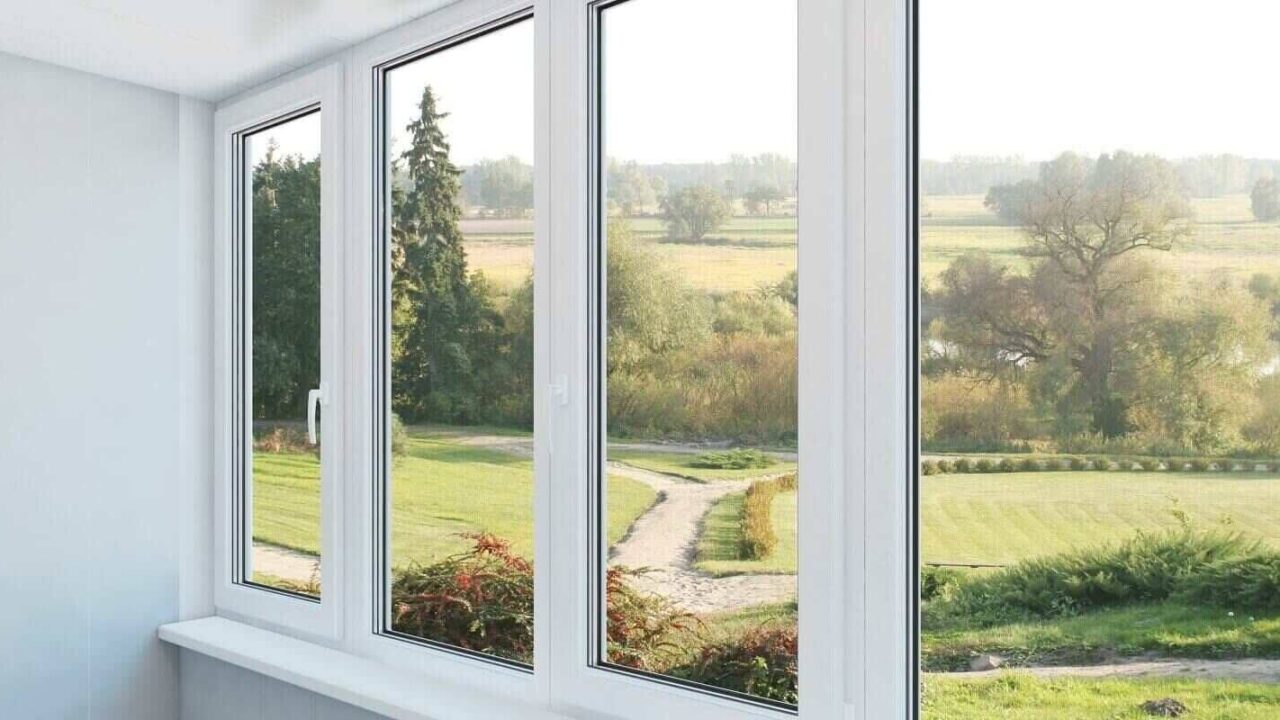
Those living in colder climates will place a greater priority on maintaining a comfortable and warm temperature inside the home without depending too heavily on heating. In this case, windows with a high SCHC rating, such as somewhere in the range of 0.40 to 0.60, can be beneficial. Installing these types of windows in south-facing walls can serve as a good source of passive solar heating.

Discuss Your Window Project with the Northern Virginia Exterior Home Contractors

If you are interested in exploring how energy-efficient windows can improve your home’s comfort and reduce energy bills, reach out to the experienced Northern Virginia window installation and replacement contractors at Adelphia Exteriors to schedule a consultation today.

category iconWindows

full wall windows

December 12, 2022

What Is a Low-E Glass Rating for Windows?

hand opening windowNew windows can be a significant investment in any home, but this is often offset by the reduction in energy bills that may be realized when switching to windows that boast a high energy efficiency.
When it comes to energy-efficient windows, homeowners should consider the benefits of Low-E glass.

What Is Low-E Glass?

Low-E glass, or low-emissivity glass, is a rating for glass that has been coated with a special substance that makes it more energy efficient. Although it was originally designed to help retain infrared light in colder climates, it is now considered the gold standard for energy-efficient homes and can be found in all regions.

Low-E glass features a non-toxic colorless coating that is thinner than a strand of human hair. This coating minimizes the amount of ultraviolet light that can pass through it, thereby improving the lighting of a room while keeping a home’s overall cooling and heating costs down.

Types of Low-E Coatings

Outlined below are the two main types of low-E coatings currently available:

low e glass coating

  • Passive Low-E Coatings – Also known as hard coat low-E glass, these coatings are made with a pyrolytic process and are applied to glass ribbon during its production on the float line. This allows the coating to fuse to the surface of the hot glass to create a strong and durable bond.
  • Solar Control Low-E Coatings – Also known as soft coat low-E glass, these solar control coatings are made using a process known as magnetron sputtering vapor deposition. The coating is applied to precut glass within a vacuum chamber at room temperature. This type of coating is the highest-performing variety as it offers superior solar control performance and lower emissivity.

Those living in very cold climates can consider hard coat low-E glass thanks to its ability to allow some of the sun’s infrared energy to pass through the glass and heat the home in the winter. However, for most homes, soft coat low-E glass is ideal thanks to its superior UV protection and overall better U-value.

How Does A Low-E Rated Glass Window Work?

The application of microscopic layers of the reflective coating on low-E glass enables the windows to keep heat in during the colder winter months while allowing heat to bounce off in the hotter months of summer.

In some ways, it can be likened to the lining inside of a thermos container. When warm items are placed inside the container, heat bounces off the lining and reflects back inside the container itself to ensure its contents remain warm. This is what happens to the heat inside of a home in the cooler months with low-E glass.

The opposite situation occurs when cold items are placed inside a thermos as heat is unable to penetrate through the lining. Likewise, outside heat bounces or reflects off of low-E glass windows in summer, which keeps the home cooler and lowers your overall cooling expenses.

Are Low-E Glass Windows a Good Investment?

coated windows in new built homeLow-E glass windows do carry a slightly higher price tag than regular glass windows. However, depending on where you live, they are often well worth the additional expense.
Not only do they give homeowners the look of new windows, but they come with the additional benefit of lowering energy costs. In some cases, depending on the energy efficiency of the previous windows, the difference in energy bills can be dramatic.

These windows do not usually cost significantly more than regular glass windows, which means they can pay for themselves rather quickly, especially when you consider the fact that Energy.gov reports that 25 to 30% of a home’s heating and cooling use can be attributed to heat gain and loss through windows.

These windows are a particularly good investment for those who live in colder climates thanks to their ability to prevent heat from escaping. However, they are equally useful to those in warm southern climates thanks to their ability to block heat from entering the home. In other words, they are generally a good investment for homes regardless of where they are situated.

Other Factors to Consider With Low-E Rated Glass Windows

Although low-E glass windows are always an energy-efficient choice, there are some other characteristics you may also want to look out for when shopping for energy-efficient windows.

window frame with energy savings ratings

  • U-Factor – This is the rate at which the window will transmit non-solar heat flow. Lower figures are better and indicate greater energy efficiency.
    Solar Heat Gain Coefficient – This is the fraction of solar radiation that is able to pass through a window either directly or via absorption and released as heat inside the home.
  • Air leakage – This refers to the rate of air movement around the windows in the presence of a specific pressure difference; windows with low air leakage ratings are tighter than those with higher leakage ratings.

Contact the Northern Virginia Window Specialists

For more information about energy-efficient windows, contact the residential window replacement and installation team at Adelphia Exteriors to schedule an appointment or request an estimate.

category iconWindows

happy woman open plastic windows for fresh air indoor

December 6, 2022

What Is A U-Factor In Windows?

beautiful window of homeOne of the most useful figures for quantifying the energy efficiency of windows is the U-factor. Also known as the U-value, this is a number that consumers can use to determine the energy efficiency of windows they are considering.

What Is U-Factor In Windows?

The U-factor is a rating system that was designed by the National Fenestration Rating Council, or NFRC, a nonprofit group responsible for administering independent and uniform ratings and labeling systems for the energy efficiency of various components of buildings.

It expresses the window’s insulation value, or how much heat passes through the windows. The US Department of Energy and the Environmental Protection Agency’s Energy Star program considers this important figure to be one of the factors for determining its window certification.

When it comes to the U-factor, less is more. Windows that boast the best resistance to the flow of heat and have the best insulating qualities are given a lower U-factor, while less-efficient windows that are not good at insulating have a higher U-factor. The U-factor is combined with a window’s solar heat gain coefficient, sunlight transmittance and air leakage to determine its overall energy efficiency level.

How Is U-Factor In Windows Determined?

The U-factor is given to the entire window assembly’s energy efficiency. This includes the window’s frame and spacers as well as its glazing. The performance rating of the glazing itself without the frame is a separate figure that is referred to as the center-of-glass U-factor. In most energy-efficient windows, the overall U-factor for the full assembly will be higher than the U-factor of the center of the glass.

The U-factor of a window is calculated using a formula that factors in British thermal units, feet and degrees Fahrenheit. The window must be tested and pass the verification and certification processes carried out by the NRFC before it can earn an NRFC sticker that lists performance ratings such as its U-factor.

home and windows rating conceptThis sticker will also provide other helpful energy efficiency information about the window, including its condensation resistance, or how well the window stops a buildup of water; its visible transmittance, or how much light is reflected into the home; its air leakage; and its solar heat gain coefficient, or how well it keeps out natural heat from the sun.

As a general rule, a top-of-the-line high-performance double pane window should have a U factor that is 0.30 or lower. Some triple pane windows may even boast U-factors as low as 0.15. Manufacturers are increasingly taking steps to bring the U-factor of their windows down to make their products more energy efficient, such as incorporating low-emissivity coatings and gas fillings between window panes.

How Is A U-Factor Are Affected by Climate

Although the U-factor can be boiled down to a simple rule of thumb that lower is always better, there are recommendations for the most effective U-factors depending on the climate zone in which you live.

For colder climates in the northern part of the country where heaters are relied on heavily in the winter months, the U-factor should be 0.30 or lower for windows and 0.55 or lower for skylights. For homes in this climate zone, having windows with a low U-factor is particularly important as minimizing heat loss is crucial for achieving maximum energy efficiency.

In mixed climates in the northern and Midwestern areas of the country that use both cooling and heating, the U-factor should be 0.32 or less for windows and 0.55 or less for skylights. Meanwhile, those in mixed climates in the central and southern regions of the country that use both heating and cooling should aim for windows with a U-factor of 0.35 or less and skylights with a U-factor of 0.57 or less.

The situation is a bit different for homes in the hotter climates of the south that are largely cooling-dominated. In these areas, homeowners should aim for a U-factor of 0.60 or less for Windows and 0.70 or less for skylights. However, a lower U-factor is still important here during colder times of the year when heaters may be needed.

Is the U-Factor the Same as the R-Value?

window frame with energy savings ratingsWhen it comes to home construction and renovation, another figure you may encounter is the R-value. Like the U-factor, this also refers to heat flow resistance and insulation, but it applies to the insulation of the roof, floors and walls rather than the windows.

Moreover, unlike the U-factor, higher figures indicate greater insulation when it comes to R-value. Nevertheless, both the U-factor and R-factor are useful numbers to take into account when determining how well insulated your overall property is.

Contact the Experienced Window Replacement Contractors

The right windows can help make your home more comfortable year-round, increase its curb appeal and lower your electricity bills. To learn more about low U-factor window options, contact us for residential window replacement and installation at Adelphia Exteriors.

category iconWindows

  • « Go to Previous Page
  • Page 1
  • Interim pages omitted …
  • Page 5
  • Page 6
  • Page 7
  • Page 8
  • Page 9
  • Interim pages omitted …
  • Page 24
  • Go to Next Page »

Schedule A Free Estimate!

Schedule your no obligation consultation.

Let's do a 30-minute, no-pressure consultation and find out if we are a good fit for your vision.

  • This field is hidden when viewing the form
    MM slash DD slash YYYY
  • This field is for validation purposes and should be left unchanged.

Adelphia Exteriors BBB Accredited Business with A+ rating
19 Reviews (5.0)
Google Logo linking to Adelphia Exteriors business profile
144 Reviews (4.8)
Adelphia Exteriors Home Advisor Top Rated
64 Reviews (4.6)
Yelp Logo linking to Adelphia Exteriors Yelp Page
19 Reviews (4.0)
Adelphia Exteriors Birdeye Top Rated
536 Reviews (4.8)

Footer

Adelphia Logo
Adelphia Exteriors
6371 Rolling Mill Place, Suite 101 Springfield, VA  22152
Phone: (703) 880-8648
License #: VA2705137588
Hours Of Operation: M-F 8:30 am - 6:30 pm
Interactive Direction Map

Link to company Twitter page

Link to company Facebook page

Resources

  • About
  • Areas Served
  • FAQs
  • Financing
  • Warranties
  • Blog
  • Gallery
  • Testimonials
  • Contact

Exterior Remodeling Services

  • Roofing
  • Siding
  • Windows
  • Gutters
  • Insulation
  • Painting
  • Commercial
  • Storm Damage
Google Rating
4.8
Adelphia Exteriors
Adelphia Exteriors
4.8
David Burns
David Burns
14:51 09 Oct 20
I contracted Adelphia to paint my living room, dining room and a hallway. The two tradesmen arrived exactly on time on the first day and prepared the areas. They filled holes, repaired a long crack on the ceiling and two on one of the walls then painted the ceiling. They came back on time the next day to add a second coat of paint on the ceilings and to paint the walls and trim. The painters were courteous, polite and worked hard with just a short lunch break both days. Their clean up was excellent and the job was outstanding. This is the second time we have hired Adelphia, and in both instances my wife and I were very pleased. I would not hesitate in recommending them.read more
Cynthia Segura
Cynthia Segura
21:03 27 Oct 20
We hired Adelphia Exteriors for our Exterior Painting Project and we are very happy with the finished product. Rob provided the estimate within one business day. Viki promptly and kindly helped us to schedule the start date after our project was delayed because of weather. Nick visited the job site to make sure all the exterior colors accurately matched the existing colors. Nick made sure all the areas that required maintenance painting were carefully addressed. He even replaced our house numbers which was a way better option than painting them. He also meticulously worked with Diego to reinstall two shutters that were already partially detached. Diego and his painting team did an amazing job painting all our exterior brick, porch, garage frame and metal light fixtures. They were very detailed in their painting services and professional. Again, we are very pleased with the results.read more
Christopher Capannola
00:33 19 Oct 20
From our initial consultation with Rob until the job was completed, our experience with Adelphia Exteriors was great! Rob was very easy to talk to, made sure we understood all our options and answered all our questions. There was absolutely ZERO pressure and no attempt to upsell us on anything. The install of our 19 windows was done in one day, the crew was on time and did a great job. We couldn't be happier with the windows and would recommend Adelphia without hesitation.read more
Frank Muth
Frank Muth
20:58 25 Aug 20
Wow wow wow! This is a great company. Had the entire inside of the house painted, shutters painted and front door replaced. Nick and George were incredible. Vicki rocked all the coordinations and the crews were professional very courteous and did fantastic work. I will use them again for our next project.read more
Bhakti Modha
Bhakti Modha
18:04 28 Oct 20
Had a great experience with Adelphia exterior who replaced the attic insulation and air sealing for my home. Rob was awesome, very thorough & professional. Highly recommend Adelphia Exterior for anyone looking to get their insulation done!read more
Denise Kidd
Denise Kidd
23:36 12 Jan 21
They were wonderful. Prior to signing up with them, we met with multiple other companies who tried to hard sell us into signing the same day to receive a discount. When George walked into my house I immediately told him we would not be signing on day one, and he laughed and said no problem! He was so agreeable and so easy to work with and the fact that he comes from a family business, I just had a good feeling about them. Not once did he try to hard sell us and pressure us to close, he gave us plenty of time to ask lots of questions and visit a show room in order for us to make our decision. They just finished installing some amazing windows, approximately 25, and a brand new front door. We are absolutely thrilled with the product and the quality of their installation and cleanup. They are a good company to work with! And I would not hesitate to use them again!read more
Charles Ide
Charles Ide
15:23 17 Mar 21
This company is great! I had quotes by three different companies to replace windows, paint our brick, install new siding, install new doors, install new gutters/down spouts, plus add new insulation! Adelphia was the only company I contacted for an estimate that would take care of all my needs with one contract. This is a family owned company that has been extremely responsive throughout the entire process. Our initial appointment was with George, who wrote the estimate, the contract, and was our main point of contact; Vickie (mom) runs the office and frequently coordinated with me by phone; and Nick (dad) founded the business in the 1980s and oversaw the painting. The painting is second to none. multiple coats with the highest quality materials looks beautiful! Next came the exterior siding. We wanted to replace our original siding and decided to change it to vinyl shake! You can see the results in the before and after photos. We are thrilled with the results! The replacement doors and windows were installed efficiently and are so beautiful. We selected Adelphia based on their competitive pricing and excellent reviews on Angie's List and Yelp. George worked with us at every step along the way to make sure we were satisfied. The contractors that Adelphia use are careful, professional, punctual, and do excellent work! The original contract included a thank you note by George that said they were determined to exceed our expectations, well, they delivered! I highly recommend Adelphia Exteriors for their value, workmanship, and personal attentiveness.read more
Frankie Mcdaniel
Frankie Mcdaniel
17:49 17 Mar 21
We hired Adelphi Exteriors to replace our roof, siding, and gutters for our house and could not be happier with their great work. They were very professional, thorough and the work was done in a timely manner. They are a family owned business that we found though a friend who has used them multiple times. I would highly recommend them. We are also planing to use them to replace our windows in the future.UPDATE!!! Our windows have now been replaced and I am still just as happy with their service. I have also requested a quote for painting in the future.read more
Thomas Melito
Thomas Melito
17:45 26 Apr 21
We used Adelphia to replace the insulation in our attic. Due to the need to schedule the work for after a different contractor completed a repair of the ridge vent, we needed some flexibility on their part. This was handled with patience and understanding. The actual work was done very professionally (both the removal of the old damaged insulation and the installation of the new). The workers arrived on time, maintained a very clean work site and were very polite and respectful. I highly recommend this company.read more
Vivek Shankar
Vivek Shankar
21:30 20 May 21
The Adelphia team was great from start to finish when we had three windows installed in the basement. It was a bit tricky -- one competitor said they couldn't do the job. Adelphia didn't flinch at all. I'm now enjoying sitting in the basement with the windows open on 85 degree day. Choose these guys!read more
John Davenjay
John Davenjay
20:29 07 Jun 21
Working with George and the team at Adelphia Exteriors was top notch. I'm glad I went with them. It was a smooth process, they worked with me each step of the way to make sure I was getting what I wanted. They were responsive, flexible and professional. I only have positive feedback to share. It was a good experience from start to finish.read more
Tarik M
Tarik M
12:37 25 Aug 21
Their prices were the best when we bid the job. Their workers were very efficient, professional. They did a great job and cleaned out after they left. They even took the old window screens and debris with them. And it’s a family company. We’re thinking of them for the roof next. Great job!read more
Della Rodrigues
Della Rodrigues
20:22 20 Sep 21
Adelphia Exteriors did a great job of replacing several of our windows. They were polite, quick, professional, and the new windows look great! Highy recommend their services.read more
Kevin Stone
Kevin Stone
20:31 21 Sep 21
Great service and price for new windows in my home. Major renovation project and Adelphia Exteriors was only window company willing to give me a ballpark estimate with me giving estimated window sizes and them not seeing the house, so I could budget all the renovations to figure out if I could do windows. NO hard sell like other window companies. I took my time and signed the contract 1-2 months later after they gave me a firm quote. Very happy with the result.read more
Hans Lellelid
Hans Lellelid
20:10 18 Oct 21
We used Adelphia to replace our windows. We had a few estimates and while the VinylMax windows may not have been quite as premium as the other option we were seriously considering, the product got great reviews and Adelphia in particular was highly reviewed and left a great impression. And pricing was very competitive too. The windows arrived before predicted and installation started exactly when scheduled and wrapped up ahead of schedule. The installer did a great job of cleaning up afterwards and accommodating our tiny house that doesn't necessarily allow for all furniture to be far from windows at the same time :) Definitely would use them for other projects in the future.read more
Catherine Cox
Catherine Cox
01:23 02 Nov 21
This was our 4th project with Adelphia Exteriors. Last year they replaced all our windows; replaced the original vinyl siding; and replaced our original gutters and downspouts. This year we asked them to come back to replace our 24-year old roof shingles that had become stained and looked terrible alongside all the other new exterior features. Once again Adelphia did a wonderful job at a competitive price. They went the extra mile to make sure that we found the particular color and style of shingle that we wanted to match the siding work they the had done in 2020. Adelphia is a family-run business that is committed to making sure their customers are completely satisfied. I would highly recommend them for any of your exterior home improvement needs.read more
Carl Ficken
Carl Ficken
13:42 30 Dec 21
We were extremely pleased with Adelphia Exteriors. Once our sliding glass door and windows arrived from the manufacturer, Adelphia scheduled installation the next day. Workers arrived early, worked hard, did a fantastic job, and cleaned up. Highly recommend.read more
Ryan Boyle
Ryan Boyle
20:11 14 Sep 21
Everything went smoothly. They only needed one day to replace all our windows.
Luke Waldron
Luke Waldron
11:14 01 Mar 22
Highly recommend using them! I hired them to blew in insulation to my attic and I am amazed with the results. They were courteous, thorough, followed thru, and communicated.read more
John Blevins
John Blevins
16:11 22 Mar 22
We had siding and gutters installed. Great company with awesome customer service. Would use them again for anything I need on the exterior of my house.read more
Anastasios Tetradis
Anastasios Tetradis
15:18 20 May 22
We just recently employed this company to install siding on our upper storey. I have to say the service and product install was outstanding. George and Tim went out of their way to make sure all details of the install were complete including cleanup, and took their time to attend to details. They stayed over to finish one large side so my family were not inconvenienced next day with the banging. Tim kept me informed of status and invited viewing of progress. George was patient and meticulous. Both were focused on doing a great job and it shows. Neighbours have also been outside to praise their work. George kept me up to date and the job moving- I knew I could rely on him if a problem occurred, but that didn’t happen. Chris has to be included too as part of the team, because his no-pressure sales pitch is why I chose the company. Thank you for the great experience with your company and work ethics of your team- it has made a huge difference to our property and I may add our lives.read more
Justin Boggess
Justin Boggess
22:50 23 May 22
Had old insulation removed with new insulation blown in to my attic. Company was great to deal with. They were responsive and quickly responded to questions I had mid-install. The crews they brought in were on-time, efficient, and did a nice job. Would easily work with this company again.read more
Endroo
Endroo
17:55 03 Jun 22
got windows and new sliding door installed. Adelphia Exteriors provided a financing option which was nice. I would say I'm pretty confident that I'd use them again for my housing exterior needs.read more
-silly vibes- Silly vibes squad
21:17 06 Jun 22
We had 11 oversized windows replaced by Adelphia. Throughout the entire experience, from the first estimate to the final project, we we extremely happy with the process. Adelphia kept us brilliantly informed at all stages and all of the people who completed the work were very professional, knowledgeable, and polite. The crew who completed the actual replacement were a wonderful group. The showed up early on day of installation and finished amazing quickly. I highly recommend Adelphia.read more
Matt Driskill
Matt Driskill
17:02 21 Jun 22
Adelphia redid my attic insulation. Couldn't be more pleased with their work and service! Christos was an absolute pleasure to work with every step of the way!!! The actual work was fast. Only an hour or so. Christos came back by to inspect the work and sang an Opera song for myself and my daughter. Was a job well done, and a performance that we will remember forever. Will absolutely be calling Adelphia back in the future : )read more
Next Reviews Write a review
powered by Google

© 2026 Adelphia Exteriors · Website Privacy Policy & Terms of Use