
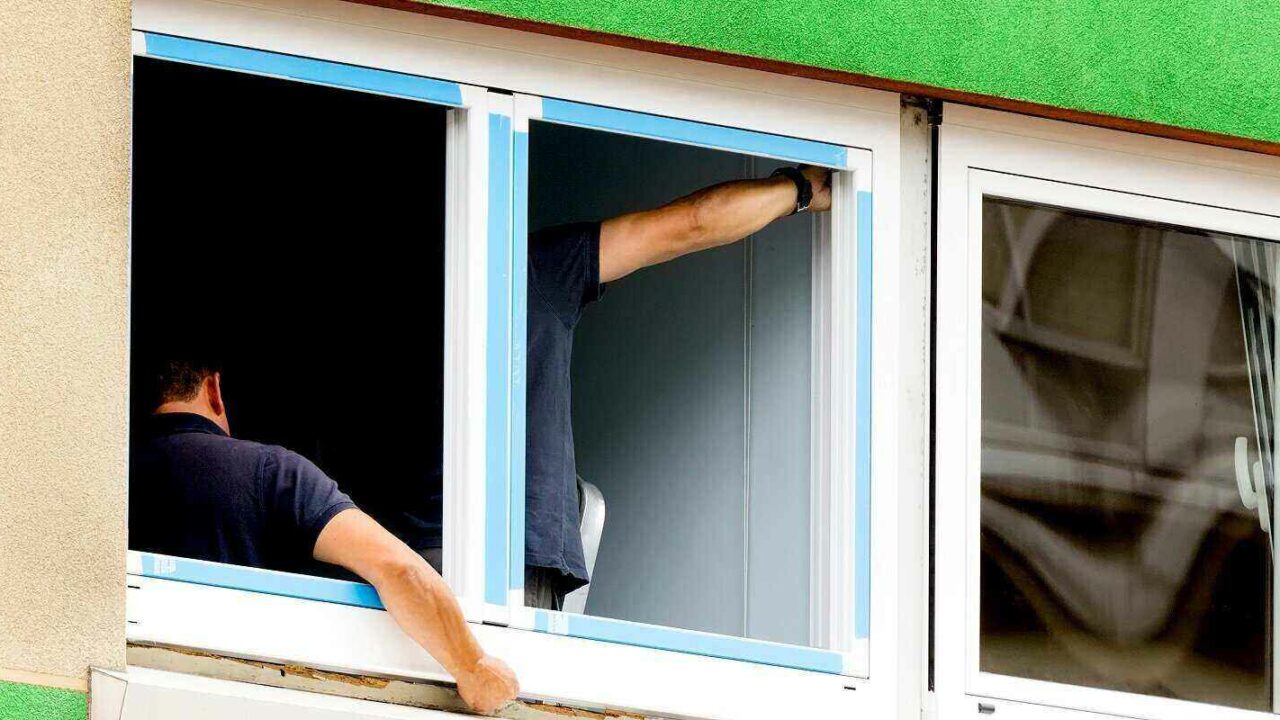
If you are considering upgrading the look, comfort and value of your home, then replacing your windows and siding can help. The most ideal solution is to replace them both at the same time if the windows and siding are outdated, damaged or stained beyond repair. However, you may be able to replace one before the other in certain situations.
Which Should I Replace First?
This review discusses whether you should replace your windows or siding first.
The Potential Concerns With Replacing Siding First
The biggest potential issue you may face if you replace your siding first is the capping (sometimes referred to as “wrapping”) that is placed around your windows. This is the exterior trim around each window that protects it from early damage, color fading and other concerns.
 Replacing the siding often involves replacing the capping around the windows. Of course, you could reapply the old capping, but then you have new siding paired with outdated capping, which can create quite the eyesore.
If you were to replace the capping, then you would have new capping with old windows, which could also create aesthetic concerns, and you would have to pay for capping installation once again when you do decide to replace your new windows.
The Potential Concerns With Replacing Windows First
It may cost more to have the windows replaced at a separate time from the siding. However, perhaps the biggest concern when replacing the windows first is having new windows that are noticeably in a much better condition than your home’s siding. Much like when replacing the windows without replacing the siding, replacing the windows first may highlight the worn-down or damaged look of your home’s siding even more.
The Best Solution: Replace Them At The Same Time
If both your home’s siding and windows are outdated, damaged, or stained beyond repair, then the most ideal solution is to replace them both at the same time. While it would cost more to have them both replaced, it can save you money long-term as there are added costs associated with replacing the windows and siding at separate times.
Of course, if the windows or siding are in ideal condition, then you can still only replace one or the other. However, to prevent aesthetic concerns and optimize your home’s curbside appeal, it is encouraged to replace them both if there are notable concerns with the windows and exterior siding.
When Only Replacing Your Home Windows Is Recommended
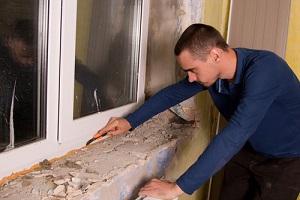 There are certain signs that indicate a need to replace your home windows. First and foremost, it is best to replace windows before notable issues develop.
On average, residential windows last between 15 and 25 years, so ordering routine inspections once your windows become 15 years old is encouraged. Other signs that indicate a need to have your home windows replaced are:
- There are notable signs of damage to your home windows.
- Your windows jam or stick while opening and shutting.
- You can feel drafts in the windows while they are closed.
- Condensation accumulates between the window glass panes.
- The noises outside your home become significantly louder.
- Your energy costs begin to rise each month.
In some cases, you may simply want to replace your home windows to improve curb appeal even if your windows are not outdated or do not show any signs of damage.
When Only Replacing Your Siding Is Recommended
Exterior siding can last between 20 and 30 years. If your siding is outdated or damaged, but your windows are in good condition, then you may only need to replace your home’s siding. Notable signs that suggest you should replace your home’s exterior siding are:
- There are noticeable signs of warping or rotting of the siding material.
- Your home’s exterior siding has developed cracks or gaps.
- You find yourself constantly needing to maintain your siding.
- Your energy costs begin to rise noticeably.
- There are signs of mold or moisture damage.
It may also be a good idea to replace your home’s siding if you anticipate selling your home in the near future. New siding can increase your home’s value by as much as 78 percent of the siding’s projected cost. This means that in many instances replacing your home’s siding can come close to paying for itself when it comes time to sell your home.
Contact Adelphia Exteriors Today For An Exterior Inspection
The best way to determine your window or siding replacement needs is to schedule an inspection with an exterior home contractor. If you are considering upgrades to the exterior of your home, then give Adelphia Exteriors a call today.
We Specialize in window and siding replacements and can help you throughout the entire process, from deciding which to replace first, the types of materials that work best for your home, and handling the installation process for you. So why wait? Get started today with a quick phone call with our professional team.
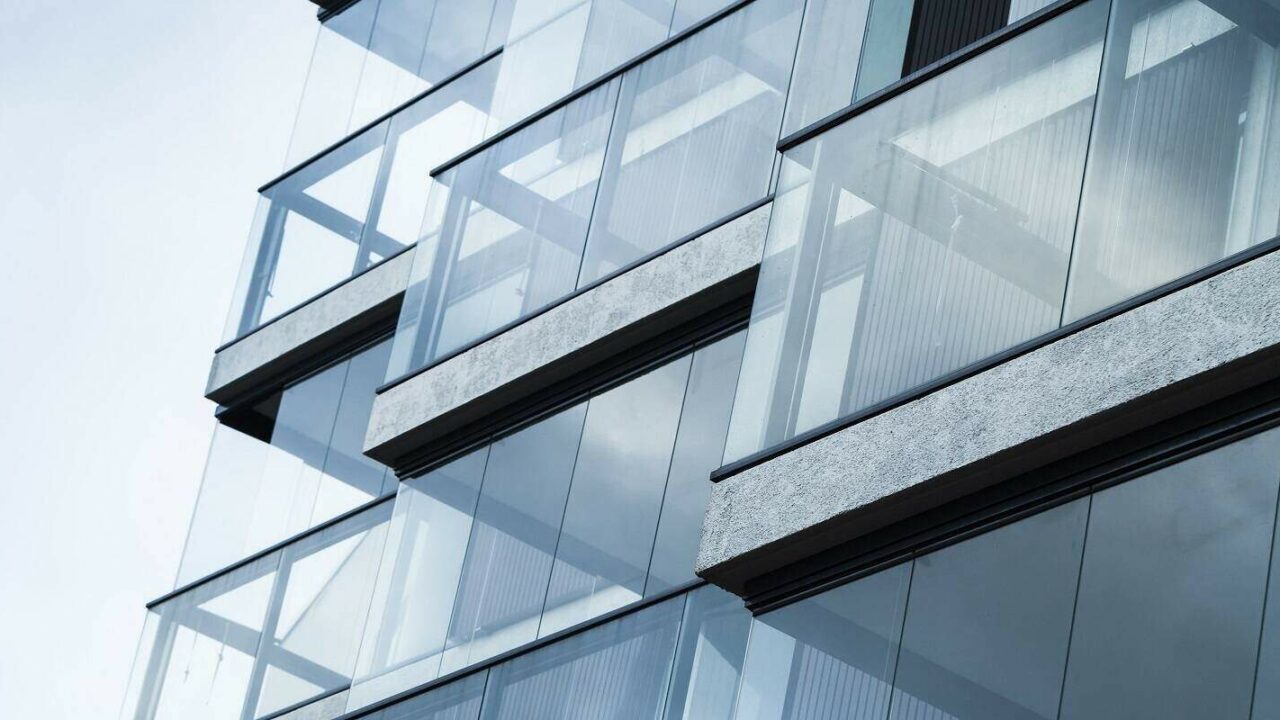
 There are many benefits that low E-glass windows offer that traditional insulated windows do not provide. These benefits include reduced energy loss, increased monthly savings on energy costs, a transparent window appearance, exceptional durability and protection from harmful UV rays.
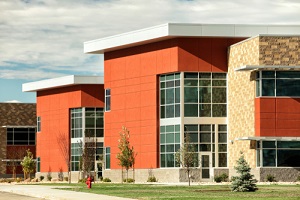 Low-E glass is essentially invisible, which gives it an aesthetically pleasing transparent appearance. This is because the protected coatings of Low-E glass have a transparent nature. There is also no tint added to Low-E glass windows. In addition, they are damage and scratch-resistant (see below). While regular cleaning may be necessary, it is easy to keep their beautiful appearance for more than a decade.
 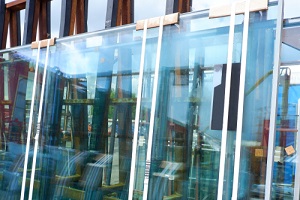 Traditional insulated windows are more affordable initially than Low-E glass windows. However, they may not hold up as well over time. While they can last for more than a decade, they are more susceptible to damage from weather, animals, golf balls, etc. Perhaps more notably, traditional insulated windows do not deflect UV light the same way as Low-E glass windows and may be more vulnerable to stains.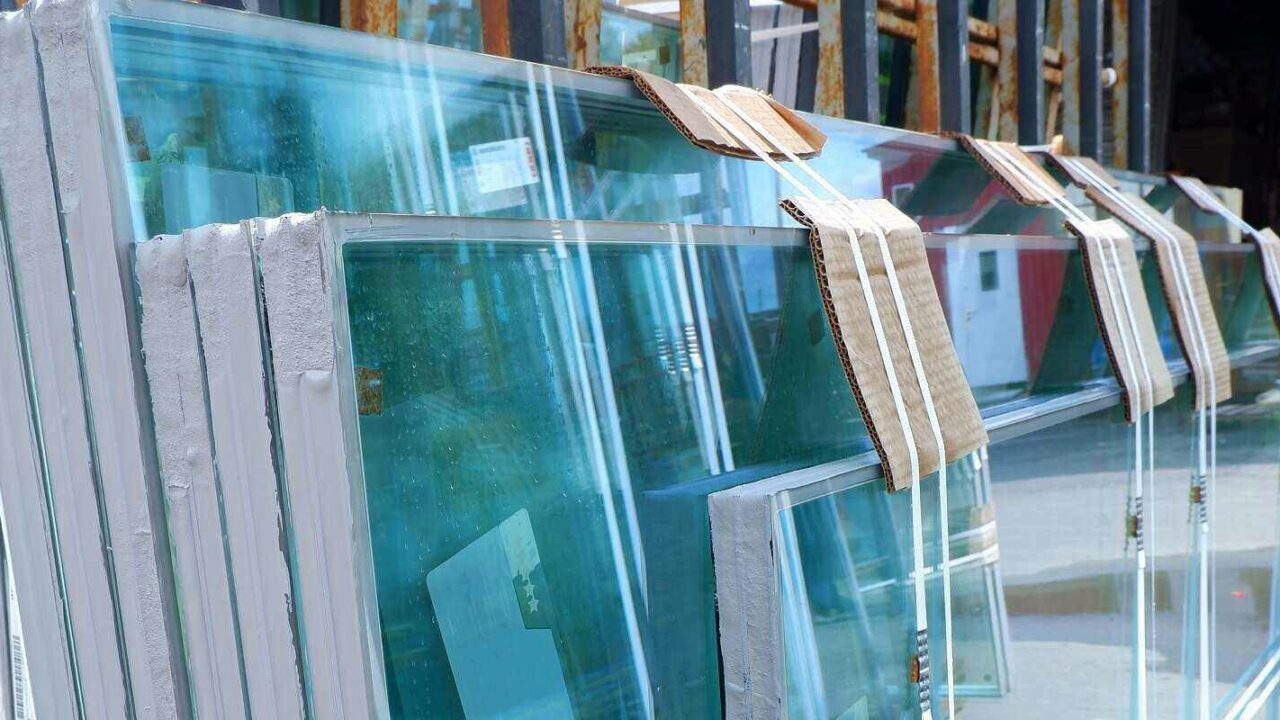
 Passive Low-E coatings, also called hard-coat Low-E coatings, use a pyrolytic coating. This coating has a hard bond and is very durable. It allows some short-wave infrared energy inside the home, so it is an ideal solution for homes that are in colder climates.
 Low-E glass windows improve the comfort of the home by keeping the sunlight out. They also add aesthetic value due to their invisible appearance, and they are durable due to the damage-resistant coating and the protection of the window glass.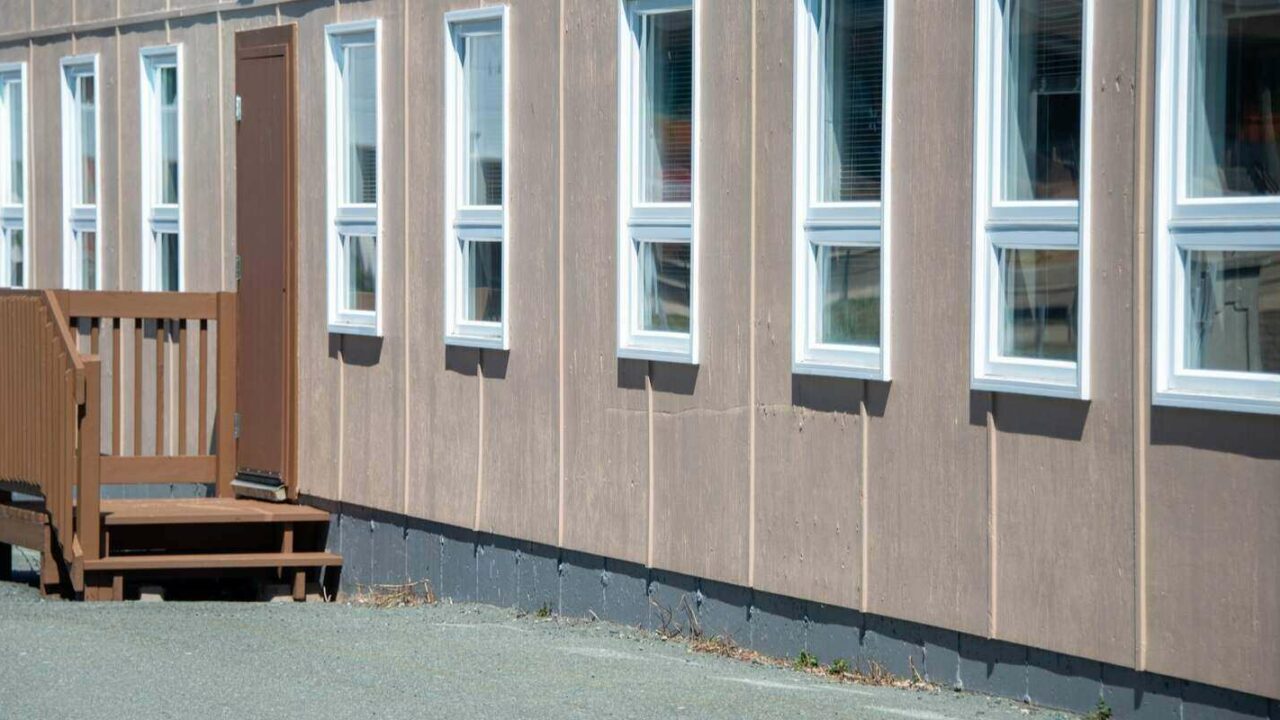
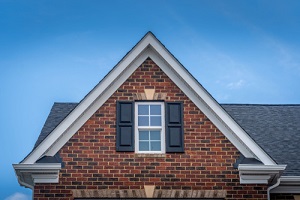 Single & double hung windows are two of the most traditional window styles. Single hung windows have two sashes, but only the bottom sash opens while the top sash remains stationary. Double hung windows allow you to open either the bottom or top sash.
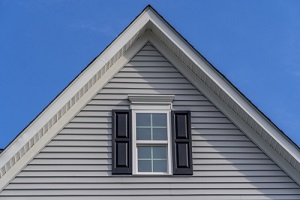 The exterior of double hung windows are easier to clean. This is because you can easily slide the upper sash as well as the lower sash down for easy access. Subsequently, double hung windows work well for second stories, whereas it is much harder to clean the exterior side of single hung windows on the second floor. Of course, the downside to double hung windows is that they are more expensive when compared with single hung windows.
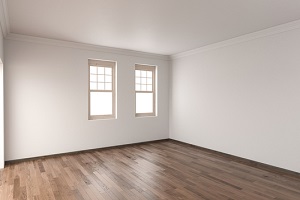 Double hung windows allow for better air circulation and ventilation due to their ability to open from both the bottom and upper sashes.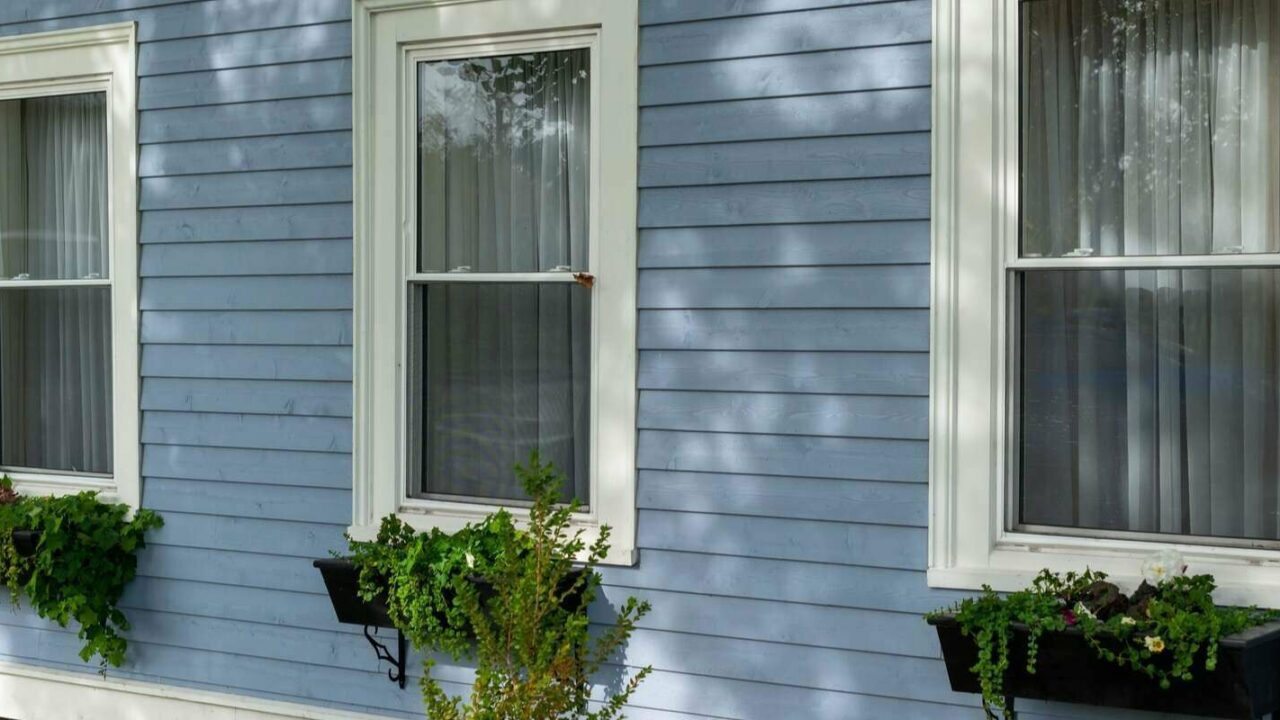
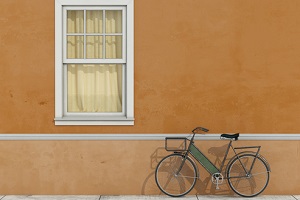 Double hung windows are traditional-style, rectangular windows. However, the casing on double-hung windows is typically thicker than single-hung windows. They also have two opening sashes. This means you can open the window from the top or the bottom. With single hung windows, you can only open from the bottom. The primary reason homeowners choose double hung windows is for the extra ventilation.
 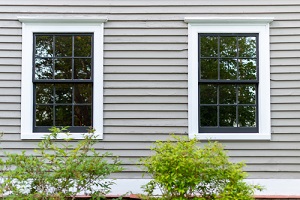 Both types of double hung windows are
 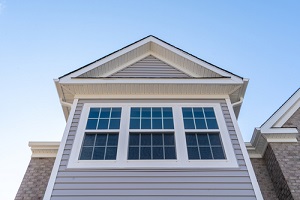 Double hung windows are a great window solution for homeowners who want an affordable option that still offers more unique benefits than traditional single hung windows. They typically work well on the second floor of homes as well since they are easier to clean from the inside of the home.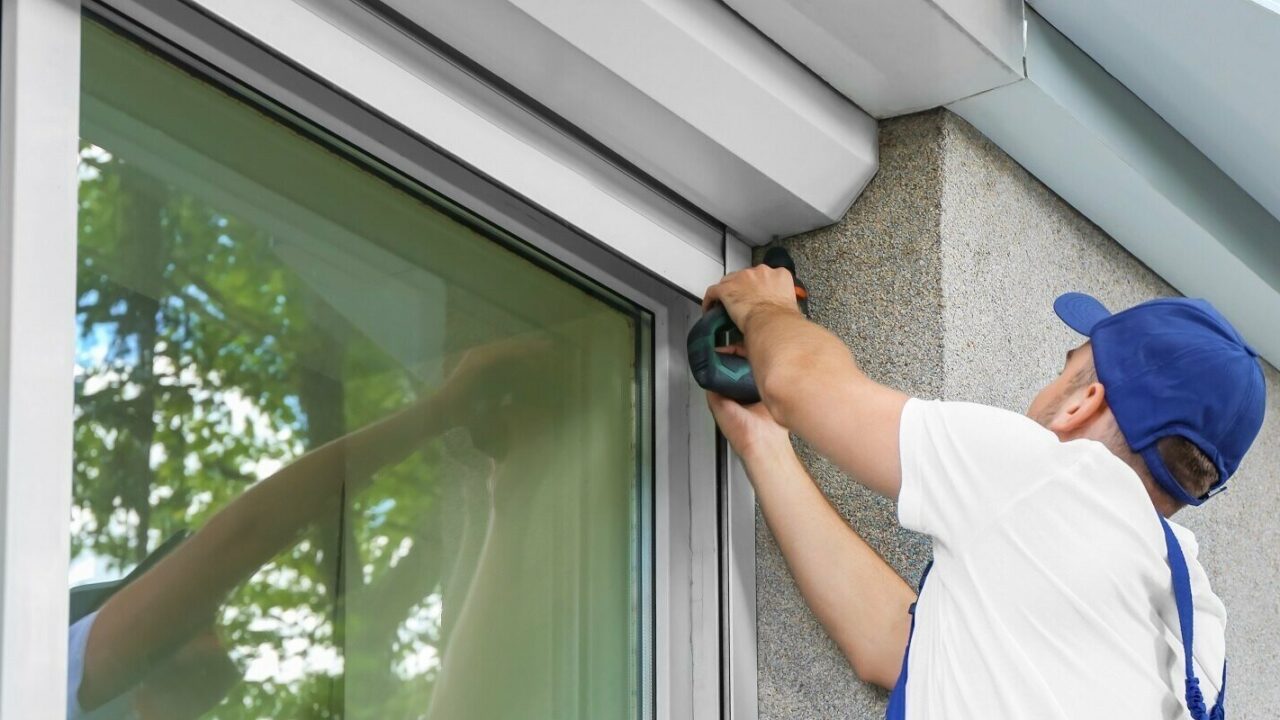
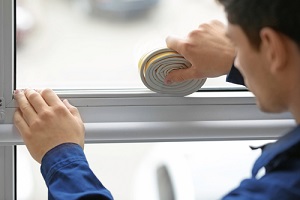 You should receive personalized service from your window installation contractor.
  Contractors are not always able to provide an exact
 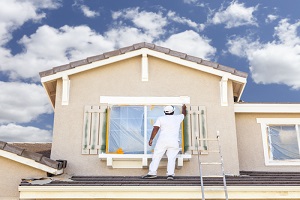 If you receive a quote from a contractor you trust, then this last step may be optional. However, if you are unsure if your quote is fair, then you can verify an honest price by receiving multiple quotes. This allows you to compare prices. However, keep in mind that the least expensive price does not necessarily mean the most overall value. It is important to place importance on the quality of the contractor.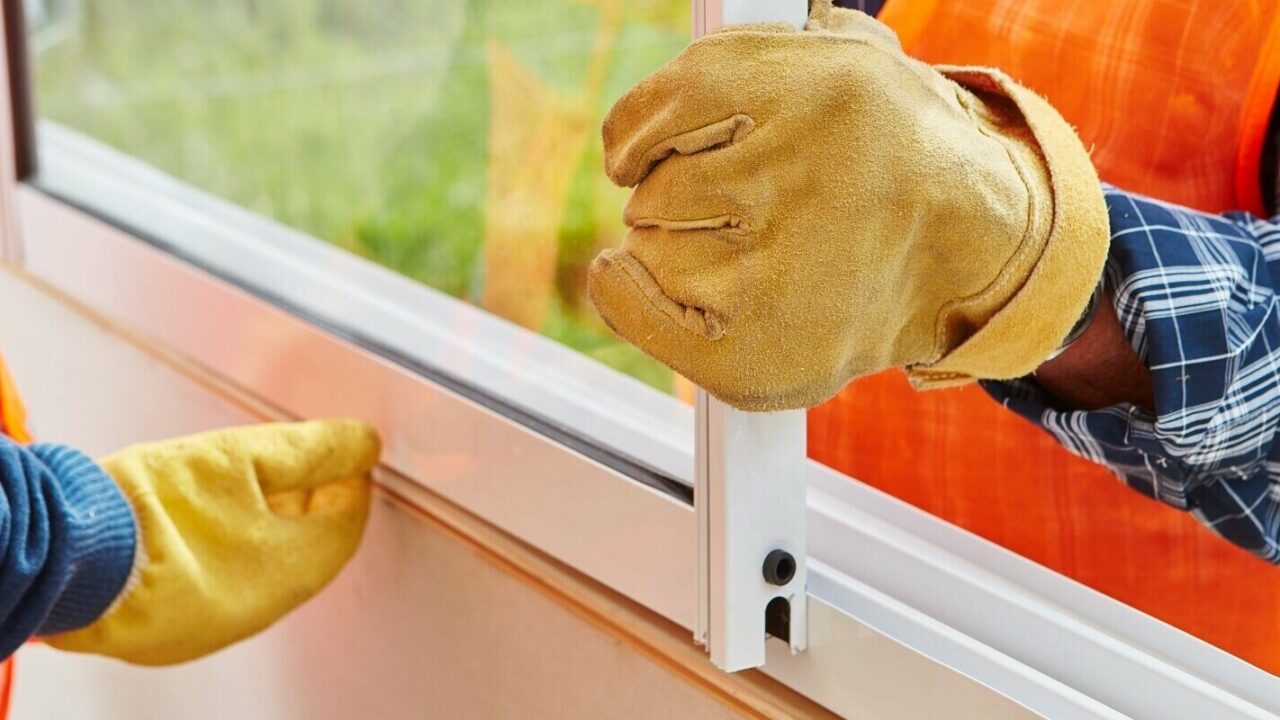
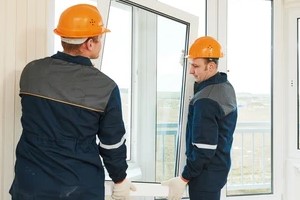
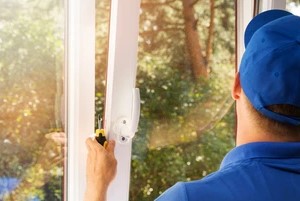 The first thing you should do after the window installation contractor provides you with a timeline for when they can complete the project is to clear the work area. They will need to move equipment in and out of the worksite, and it can make the process go faster by having a pathway cleared out for them.
  The new window installation process involves removing your existing windows. Of course, when this occurs, it allows the air inside your home to leave and let outside air inside.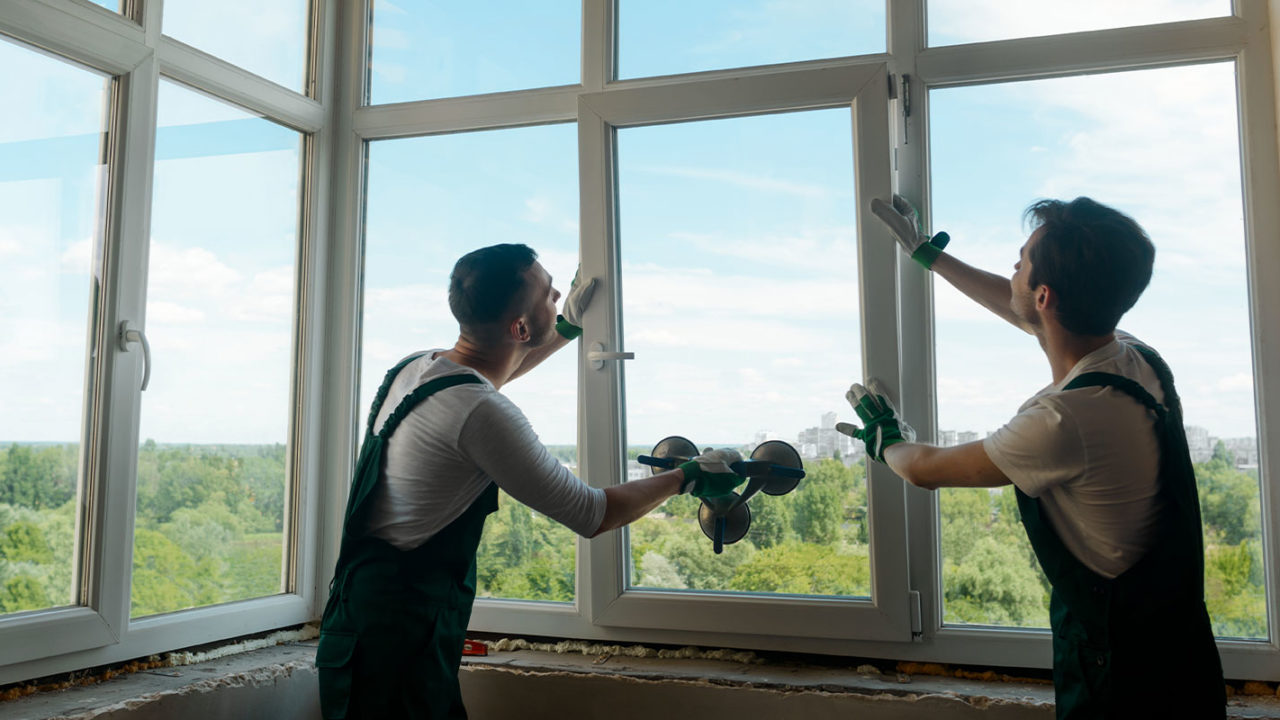
 You can expect newly installed windows to last between 15 and 25 years. One way to determine
 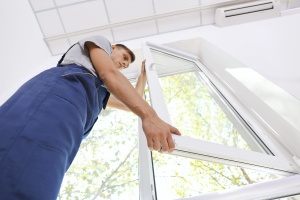 If your windows are constantly getting stuck on the window frame as you open and close them, then it is an indicator that your windows are well past their prime. This problem indicates that there are grooves or divots preventing the windows from closing. Albeit not a major issue, it is a sign that the windows are nearing their end.
 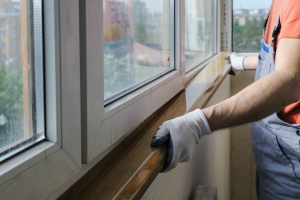 Although windows can last for up to twenty-five years, it is not recommended that you wait that long, especially if you are considering a home remodel in the near future. Window replacement can add aesthetic value to your home and improve your home’s curb appeal. New windows can also improve climate control in your home, allow the home to feel more comfortable, reduce sunlight exposure and offer a variety of other benefits.