
 Energy-efficient roofing offers numerous benefits to homeowners, from increased comfort and environmental friendliness to reduced energy consumption and costs. As a result, this type of roofing is expected to enjoy high demand in 2024.
This guide provides homeowners with a comprehensive overview of energy-efficient roofing and its many advantages.
What Is Energy-Efficient Roofing?
Energy-efficient roofing reduces the heat that a roof absorbs, limiting the cooling a home needs. These roofing materials are designed with high reflectance and better emissivity than traditional roofing materials, enabling them to reflect greater sunlight and emit more heat.
Because this keeps the surface of the roof cooler and stops heat from transferring into a home, it offers financial and environmental benefits. It can reduce air pollution and greenhouse gas emissions by decreasing the electricity demand from fossil fuels. This reduced energy consumption also results in lower energy bills.
Types of Energy-Efficient Roofing Materials
As consumers increasingly seek energy-efficient roofing, materials and techniques are evolving to meet the demand. Homeowners can choose from cool and green roofing materials, solar roofing technologies, and insulated roofing materials, depending on their specific concerns and budget. Outlined below is a closer look at each approach.
Cool Roofing Explained
Cool roofing is a term for roofing that reflects more sunlight and absorbs more heat than more traditional types of roofing. Several types of cool roofing exist, including cool metal roofing and cool asphalt shingles.
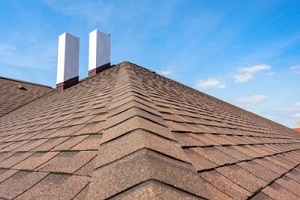
The former boasts high reflectance and can be painted to suit the homeowner’s tastes; it can also be treated with a cool coating to improve its performance. Cool asphalt shingles, meanwhile, are like traditional asphalt shingles but contain a coating of reflective granules that raises their thermal emittance and solar reflectance.
In addition to reducing a home’s need for cooling, cool roofing increases comfort for the home’s inhabitants. It also helps to reduce greenhouse gas emissions.
Green Roofing for Sustainability
Green roofing uses vegetation on the roof’s surface to improve its energy efficiency. There are two main types: living roofs and vegetative systems. A living roof contains a layer of soil and plants on a waterproof membrane. Vegetative systems use containers with plants and are flexible because the trays can be installed or removed as needed.
In addition to the roof temperature-reducing effects that are a hallmark of energy-efficient roofing, green roofing provides insulation and shading thanks to its vegetation. It also improves air quality, filters pollutants, and decreases stormwater runoff.
It is an aesthetically pleasing type of roofing that blends into natural environments in rural areas and adds attractive greenery in urban settings. It also increases biodiversity. This type of roofing has higher maintenance needs than other roofing types.
It requires careful planning and installation, attending to factors such as the structure and slope of the roof. It must also be properly irrigated and waterproofed. Although it may cost more initially, its life cycle costs tend to be lower than other types of energy-efficient roofing.
Harnessing Solar Power with Solar Roofing
 Solar roofs use the sun’s power to generate electricity for the home. By incorporating solar panels into the roof that capture sunlight and turn it into electricity, homeowners can power their homes with this type of roof.
Moreover, excess energy can be sent back to the grid in many areas and provide the homeowners with credits from their utility company, making its cost savings clear.
Solar roofing provides several advantages over traditional roofs that go beyond cost savings. It contributes to environmental sustainability while reducing the carbon footprint, greenhouse gas emissions, and air pollution associated with burning fossil fuels.
Solar panels can be integrated into roofing materials in several ways. Solar shingles look like regular roofing shingles but are actually small solar panels.
This is a popular choice for homeowners who do not like the look of conventional solar panels, although they are less efficient. Solar tiles are another option that strikes a good balance between cost and efficiency.
Some homeowners opt for solar skins, which are thin films that can be applied on top of existing shingles for greater customization.
Insulated Roofing and Energy Efficiency
Insulated roofing contains a layer of material that minimizes heat transfer between the inside and outside of a home. This saves energy by maintaining a stable temperature within the home, which reduces demand for cooling and heating systems.
Some materials used in insulated roofing are foam board, spray foam, mineral wool, fiberglass, and cellulose. The top benefits of insulated roofing are greater indoor comfort and reduced energy bills. It also reduces noise, making it a good choice for urban areas.
Tax Incentives For Energy-Efficient Roofs
Energy-efficient roofing often qualifies for federal, state, or local tax credits or rebates. Such benefits offset the installation cost and make energy-efficient roofing a more affordable choice for homeowners.
Factors to Consider When Choosing Energy-Efficient Roofing
Energy-efficient roofing may be an easy choice for homeowners, but there are a few important factors to consider when proceeding. First, homeowners must choose the right materials for their climate, considering summer and winter temperatures as well as the potential for harsh weather conditions.
Like all types of roofing, budget is a major concern, but homeowners must also take into account the money they can save on energy and maintenance over the long term.
The expertise of roofing contractors is another consideration. Installing these types of roofs requires specialized skills and experience, so hiring reputable, qualified contractors who can safely and effectively install these materials is essential.
Maintenance and Longevity of Energy-Efficient Roofs
 Energy-efficient roofs must be maintained properly to take advantage of their many benefits. This upkeep entails regular inspections for signs of damage or leaks, periodic cleaning to remove dirt and debris, and following the manufacturer’s recommendations for the specific material chosen.
This can extend the roof’s lifespan and provide a homeowner with many years of energy savings and protection from the elements.
Reach Out to the Experienced Roofers at Adelphia Exteriors
Homeowners across America are exploring energy-efficient roofing options for their 2024 projects to take advantage of the many benefits of these materials. For additional information about energy-efficient roofing, contact the experienced roofers at Adelphia Exteriors for a consultation.
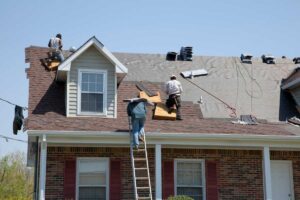 The condition of a home’s roof is key, as it shields you, your investment, and the interior of your home from the elements. During a showing, getting a comprehensive view of the roof may be challenging, but you can take some essential steps to assess its health.
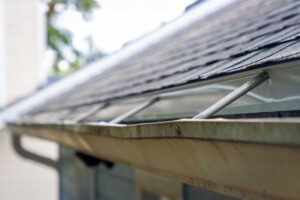 Many potential homeowners need to be made aware that by assessing the functionality of gutters, they can prevent potential foundation issues and costly repairs down the road. Inspect the ground surrounding the house to ensure gutters effectively direct water away from the home. Please do so to ensure the foundation is safe, which can quickly become a costly and disruptive repair.
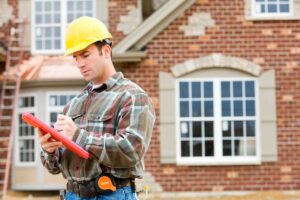 Recognize that every home may have some imperfections, regardless of its age. Distinguishing minor issues from those with the potential for significant disruption and expenses can be the determining factor for a purchase. Most buyers know to enlist the services of a home inspector; however, they cover a wide variety of home issues but often need more expertise from a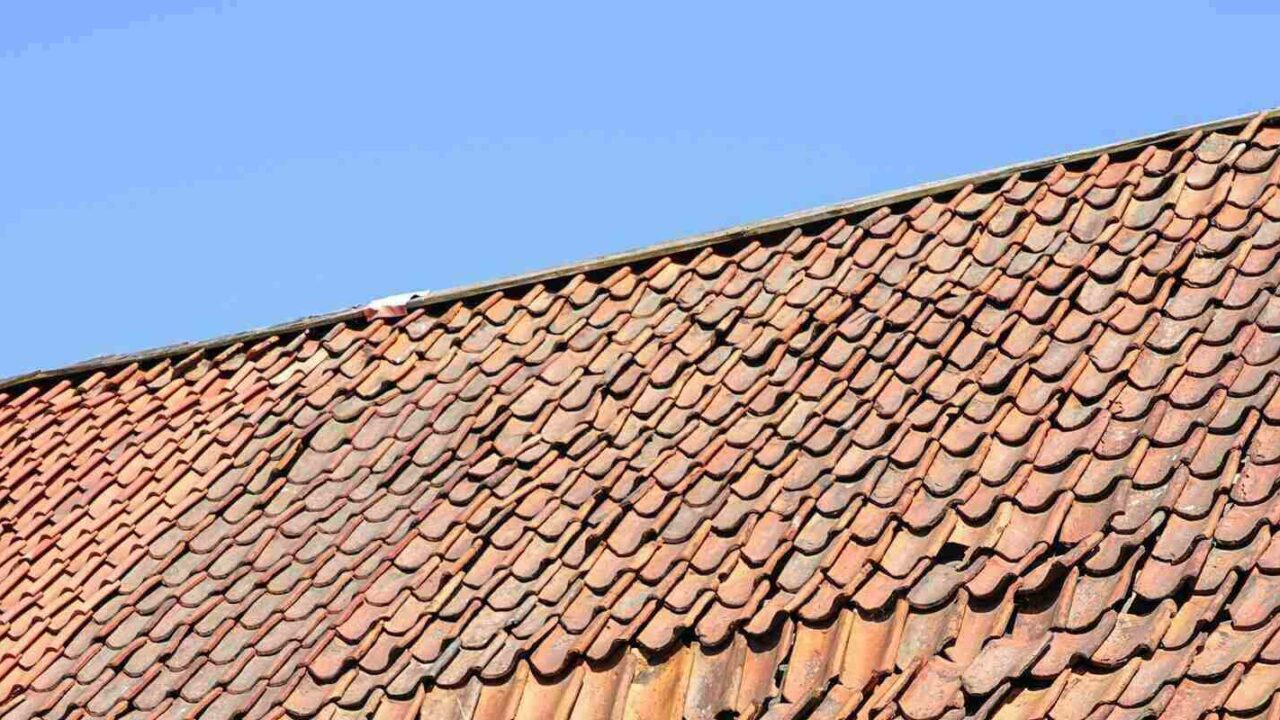
 In Northern Virginia,
  Ensure strict adherence to the inspection frequency stipulated in the warranty, as this is crucial in upholding your coverage. Properly register your warranty with the manufacturer to guarantee it’s on record and readily accessible when needed.
 Coverage is generally limited to damage caused by acts of nature.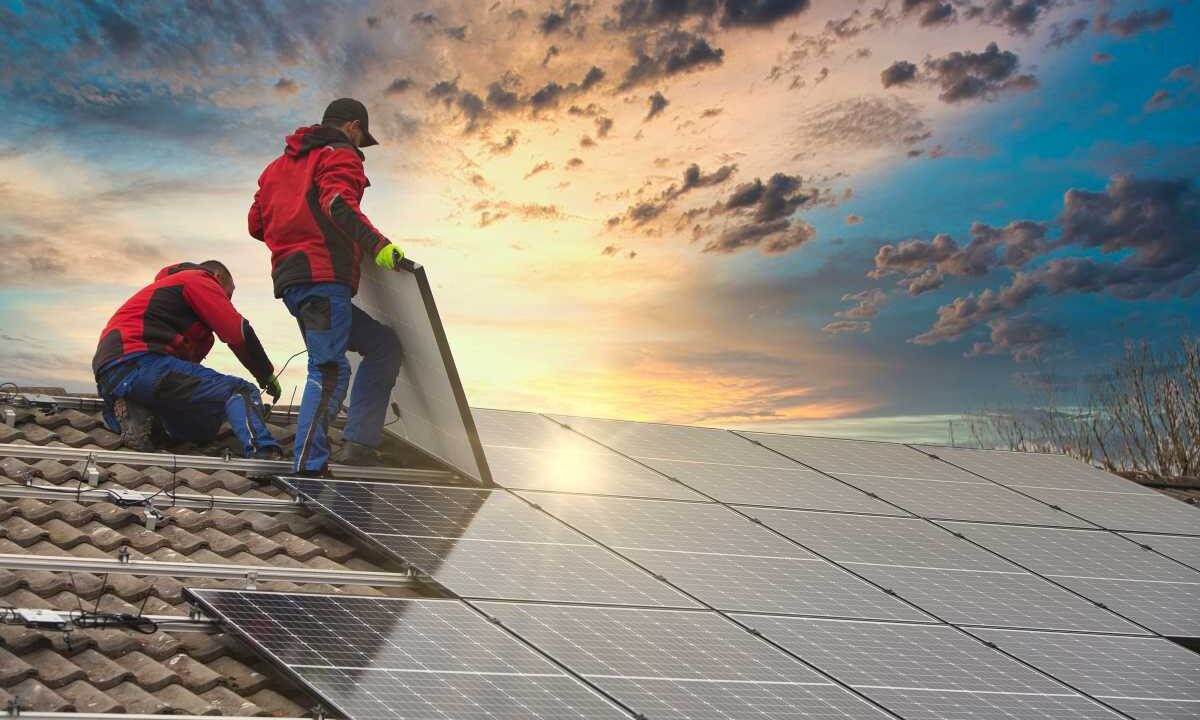
 Regardless of their type, roofs have a finite lifespan and will require replacement eventually. If your roof is nearing the end of its serviceable life, it’s advisable to consider roof replacement before installing solar panels to avoid additional labor and expenses. Here’s how to determine if it’s time to replace your roof:
 Any
Any  Concerns about potential roof damage due to solar panel installation are common among homeowners. Fortunately, solar panel systems are designed to be installed without compromising roof structure. Whether using ballast-mounted panels or a clamping system, there should be minimal risk of
 When properly installed, a high-quality roof can last for decades, working around the clock to protect a home’s structure and inhabitants. However, most homeowners will eventually
 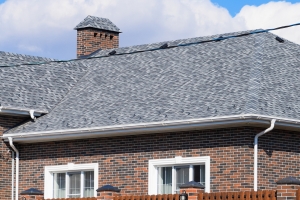 Asphalt:Asphalt is one of the most economical shingle materials. Easy to work with and repair and quick to install, an asphalt roof replacement typically costs between $4,700 to $7,200. The lifespan of these shingles depends on your area’s weather conditions and the specific type of asphalt shingle installed. The cost-effective three-tab shingles last 15 to 20 years, whereas architectural (dimensional) shingles cost more upfront but can last 20 to 30 years.
 When a roof is being replaced, the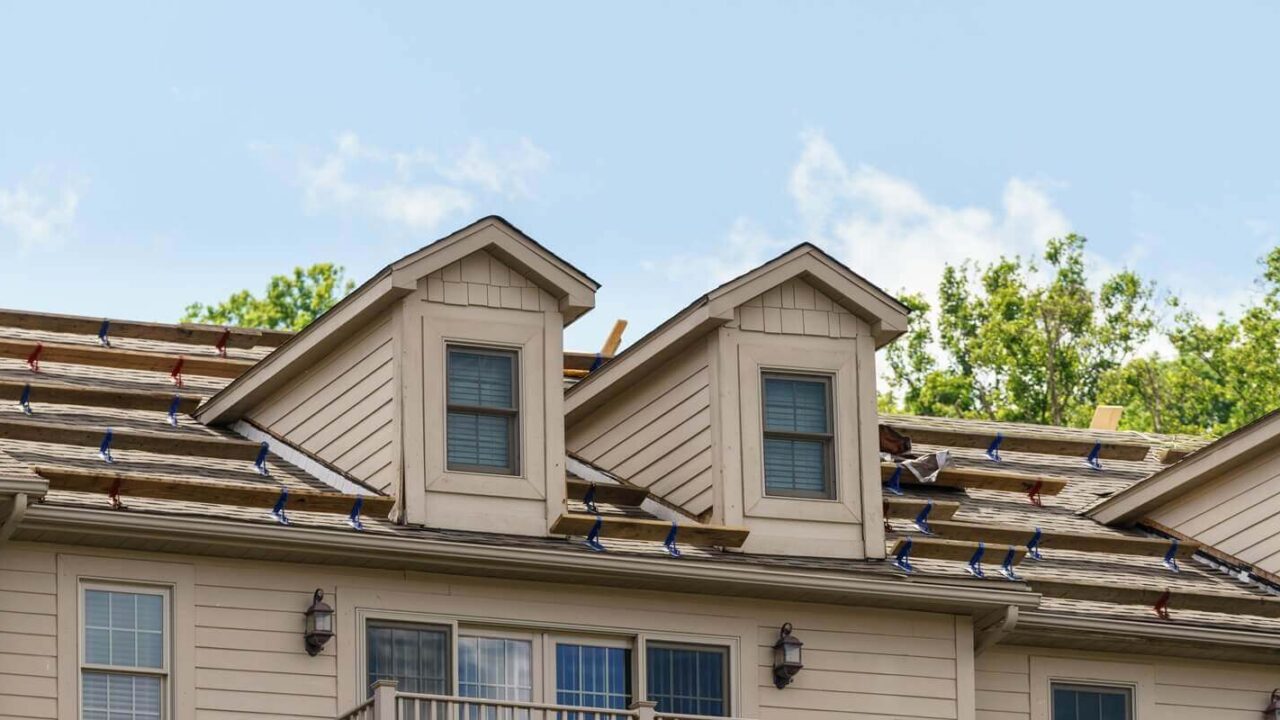
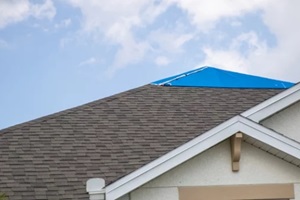 If your roof needs attention, whether due to damage or to enhance your home’s appearance, you may be given the choice between reroofing and
 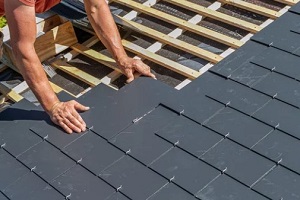 Budget: If you’re working within a tight budget and your existing roof is in relatively good condition, reroofing can provide a cost-effective solution to refresh your home’s appearance.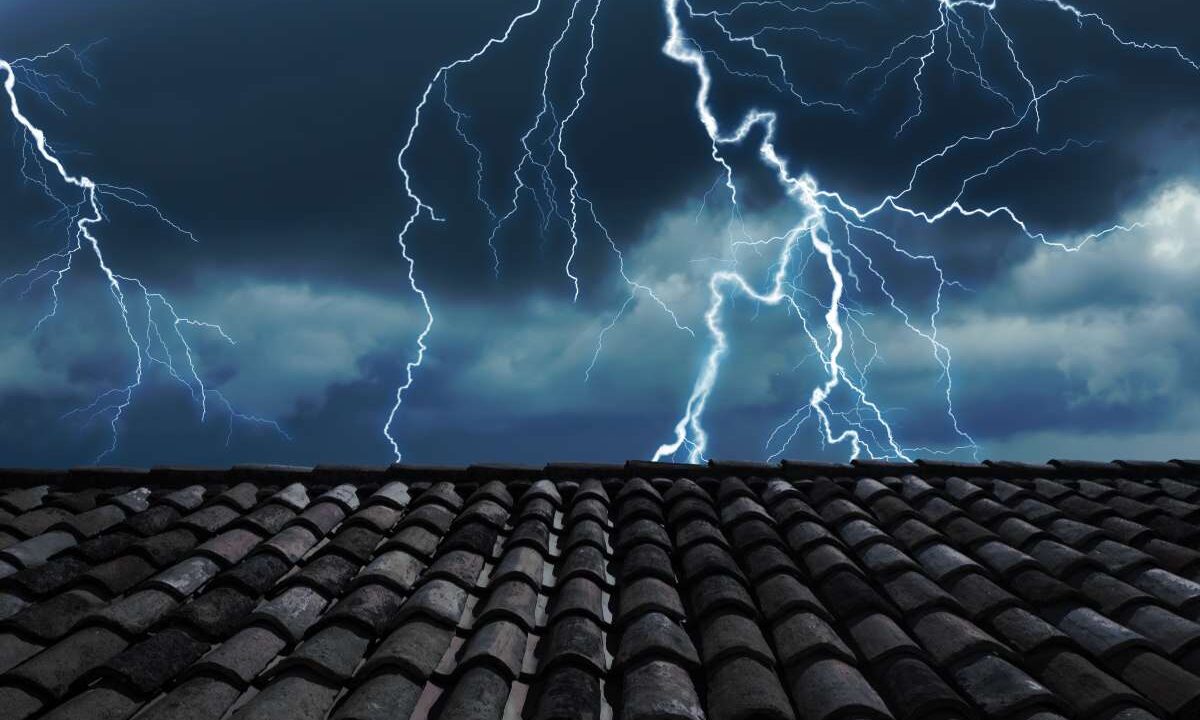
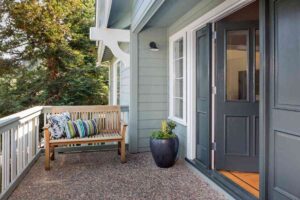 If your patio or porch sees limited use throughout the year, it’s a prime candidate for an addition. By installing windows, you can transform it into a
  Consider bumping out your kitchen when space is limited, but you must expand your home. As the heart of the home, the kitchen is where families often gather. Expanding it can create a more spacious seating area, accommodate new appliances and additional counter space, and enhance the overall flow. This option is particularly effective for brightening dark kitchens by adding more
  Northern Virginia’s moderate climate allows homeowners to enjoy the outdoors for much of the year. Adding outdoor spaces such as decks, patios, or porches is a budget-friendly way to enhance your home. These additions can increase your home’s value while giving your family more opportunities to enjoy the fresh air.