
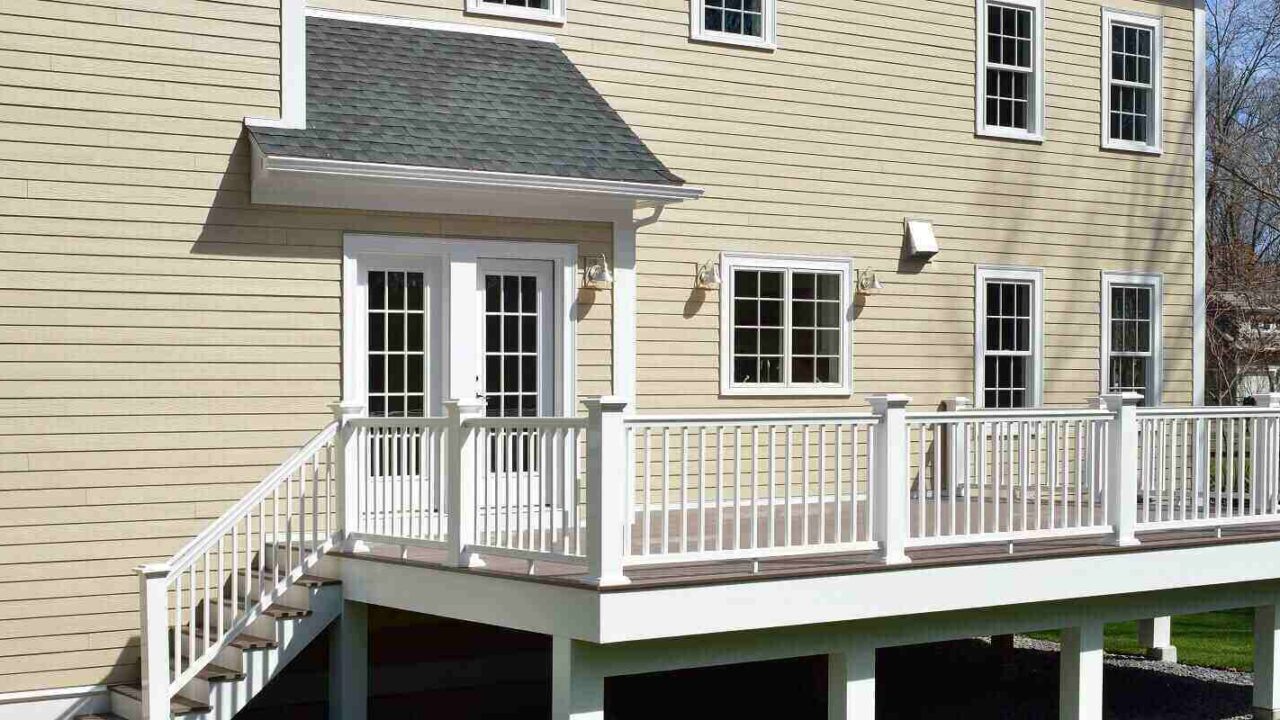
 Colonial-style homes are one of the top architectural designs in the U.S., particularly along the East Coast, where they have been popular ever since their first appearance in the 1700s around the time of the nation’s birth. It is a style that immediately stands out, with its centered front door and symmetrical window arrangement.
In fact, windows are considered one of the main distinguishing design elements of Colonial homes. Siding also plays a major role in the appearance of Colonial homes. Some of the first Colonial homes built in New England featured wood siding, and it continues to be one of the top choices for homes in this style.
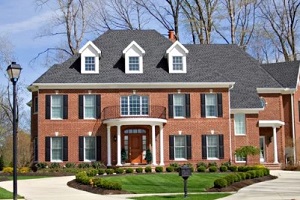
However, Colonial homes began to adapt in the 1800s, reflecting the influences of their builders and the local geography. For example, Virginia homes often featured brick siding, while Spanish Colonials in California were known for adobe exteriors.
Top Siding Ideas For Colonial Homes
These days, there are plenty of great siding choices for remodeling your Colonial home or building a new home in this style. Here is a look at four siding ideas for Colonial homes.
1. Wood Siding
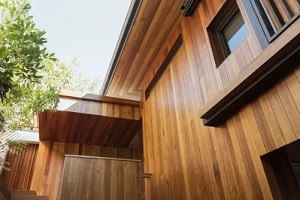 Wood siding has been associated with Colonial homes since the days of the Colonists, although many modern homeowners use other materials that provide a similar appearance. For those who are willing to carry out the proper maintenance, however, wood siding remains an excellent choice that gives Colonial homes an unmatched charm.
Pine and cedar are two main species of wood that are used in exterior siding. All species need a protective finish and regular inspection and repair of cracks or damage to the home’s siding. The wood will typically need to be refinished every four to six years.
Wood can be easily painted in whatever color the homeowner desires, with white being especially popular for Colonial homes. In some areas, local regulations specify that wood siding must also be treated with fire-retardant chemicals.
Many people choose primed wood siding thanks to its wide availability, but it is prone to weather-related damage. This means that it may be a good choice in places like Virginia where the climate is moderate, but it is not suited to areas prone to extreme weather conditions.
2. Engineered Wood Siding
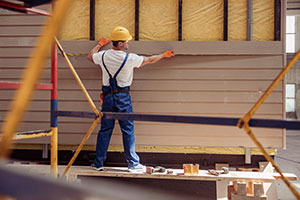 Engineered wood is another good choice for Colonial homes, particularly for those homeowners who like the appearance of real wood but have reservations about the maintenance involved and its durability. Also known as composite or manufactured wood siding, it is made using a resin composite material that is more resistant to fungal decay and infestations than natural wood.
It can be made in a variety of colors, finishes and textures to mimic the appearance of wood siding and suit a Colonial home’s aesthetics. When cared for properly, it can last for anywhere from 20 to 30 years, and it should only need a fresh coat of paint around every 10 years. However, as a relatively new product, the exact longevity of this material is not known.
3. Brick Siding
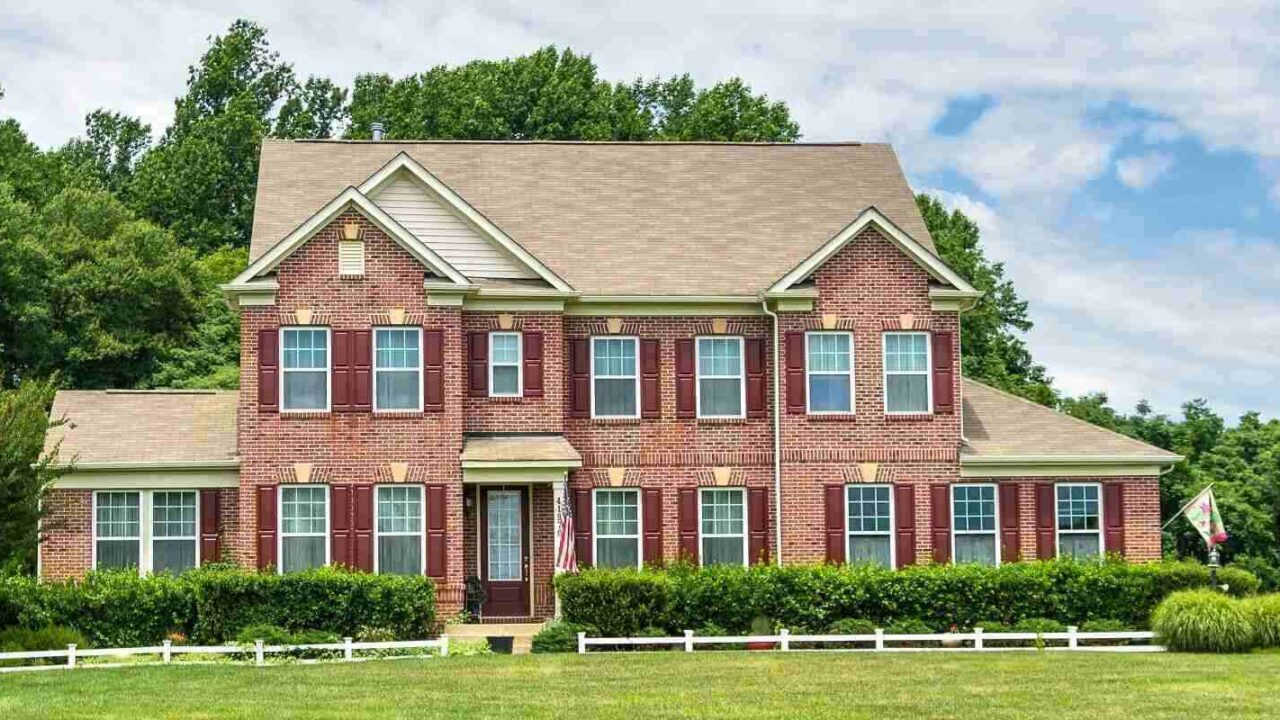
Brick siding is another good choice for those seeking an authentic Colonial look. It is known for its remarkable durability. Several types of brick siding are available, including traditional brick siding. This siding is heavy, so the concrete foundation walls may have a small step cast into them to support the brick. Alternatively, it can be supported by a heavy iron angle mounted to the foundation wall.
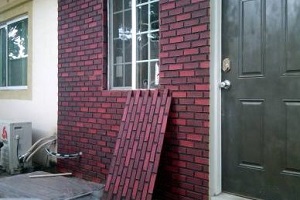 Brick veneer is a modern brick siding that boasts a similar look to solid brick construction, with clay bricks stacked and layers of mortar spread in between them. There are also varieties known as “thin brick” that are made of concrete. This siding is installed by gluing the “bricks” to the house using adhesive and then filling the gaps between the bricks with grout to make them look like structural mortar joints.
Traditional mortared brick siding can last hundreds of years without much maintenance or signs of wear, especially if it is unpainted. Some areas of crumbled mortar may occasionally need to be repaired.
4. Vinyl Siding
Vinyl siding may not be a traditional material for Colonial homes, but its availability and low price have made it a favored option among those who wish to get the look of wood on their Colonial-style home but are working with a modest budget.
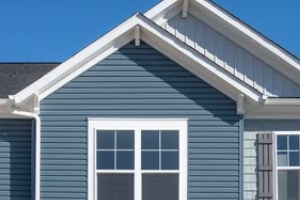 This type of siding is strong, long-lasting and easy to install. It also comes in a wide variety of styles and colors. Moreover, because the color is incorporated into the material, scratches and dings will not be obvious. It is also a very low-maintenance material that only requires occasional cleaning with a brush and hose. Vinyl siding is one of many growing favorite siding ideas for colonial homes.
Discuss Your Siding Replacement Project With Adelphia Exteriors
To learn more about siding options for Colonial homes, reach out to the experienced siding replacement contractors at Adelphia Exteriors. Our team of Northern Virginia siding contractors can help you choose the right siding to suit the style of your home as well as your budget.
Additional Resources For Colonial Homes
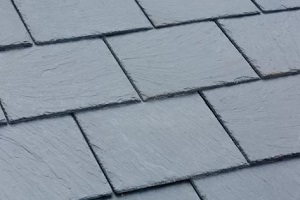 Slate was a popular roofing material for the colonists, and it remains a top choice today. Its aesthetic works well with all different types of Colonial homes, which means it is hard to go wrong when you choose
 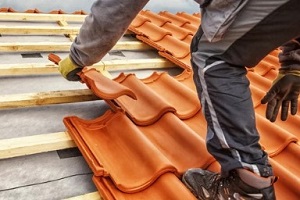 Another material that has long been associated with Colonial roofs is clay tile. Prepared by baking molded clay, these tiles are available in a wide range of shades, although most homeowners choose something from the terra cotta range. They’re also highly insulating.
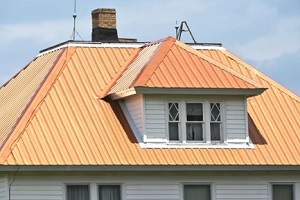 For homeowners who are seeking a high-end aesthetic, copper is the material of choice. Unlike slate and clay tiles,
 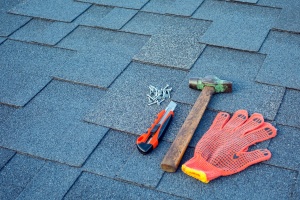 For budget-minded homeowners,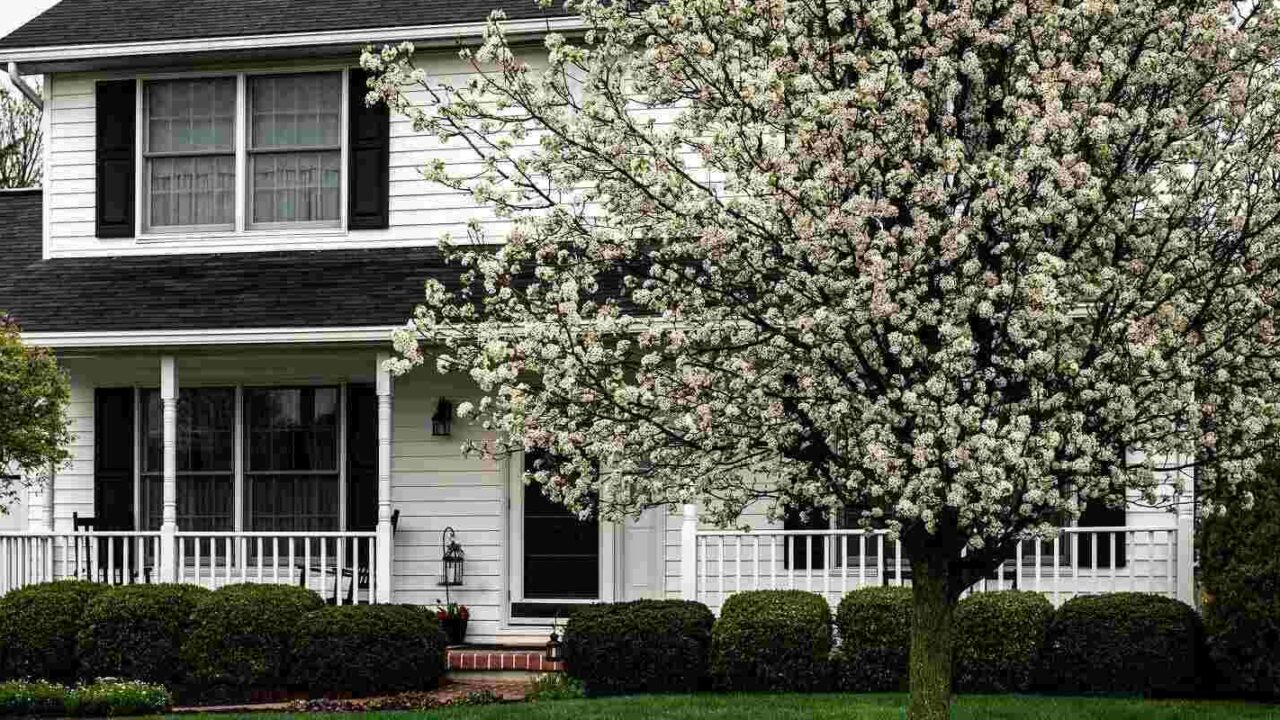
 Colonial homes have a classic appeal, and although the roots of this style can be traced to the Colonists in the 1600s, the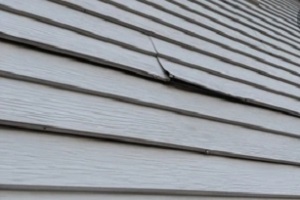
 Another popular choice for Colonial-style homes is
  Although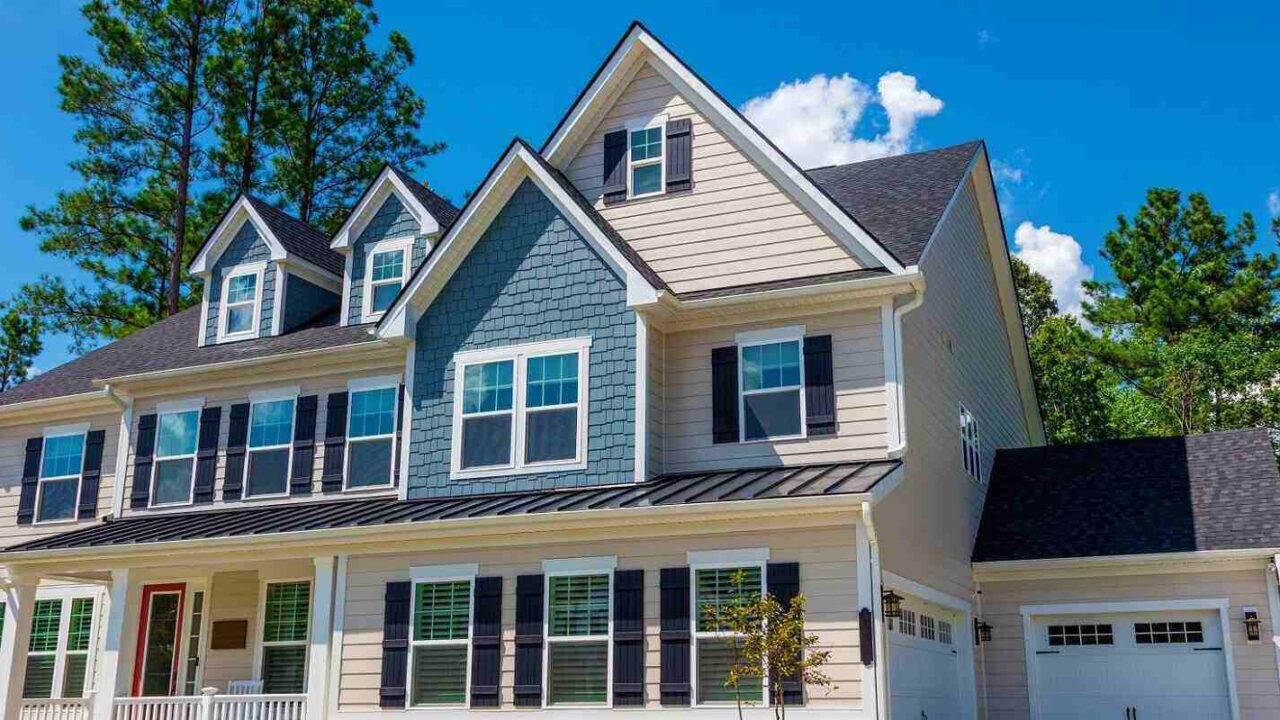
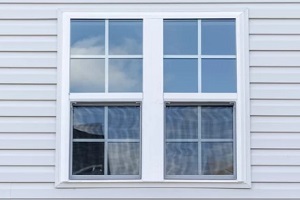 These windows are favored for their enhanced airflow. Being able to open both sashes partway or choosing to open just the top or the bottom gives homeowners many options when it comes to optimizing the circulation of air in the home according to wind direction and other weather conditions.
  Another popular window choice for Colonial homes is the
 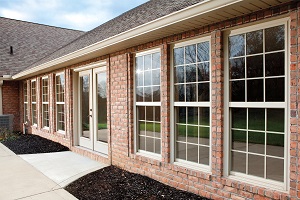 These grids once served a chiefly functional purpose, holding multi-paned windows together, so they could be shipped more easily without fear of breakage. Modern window grids, which are sometimes referred to as muntins or grilles, are mostly decorative.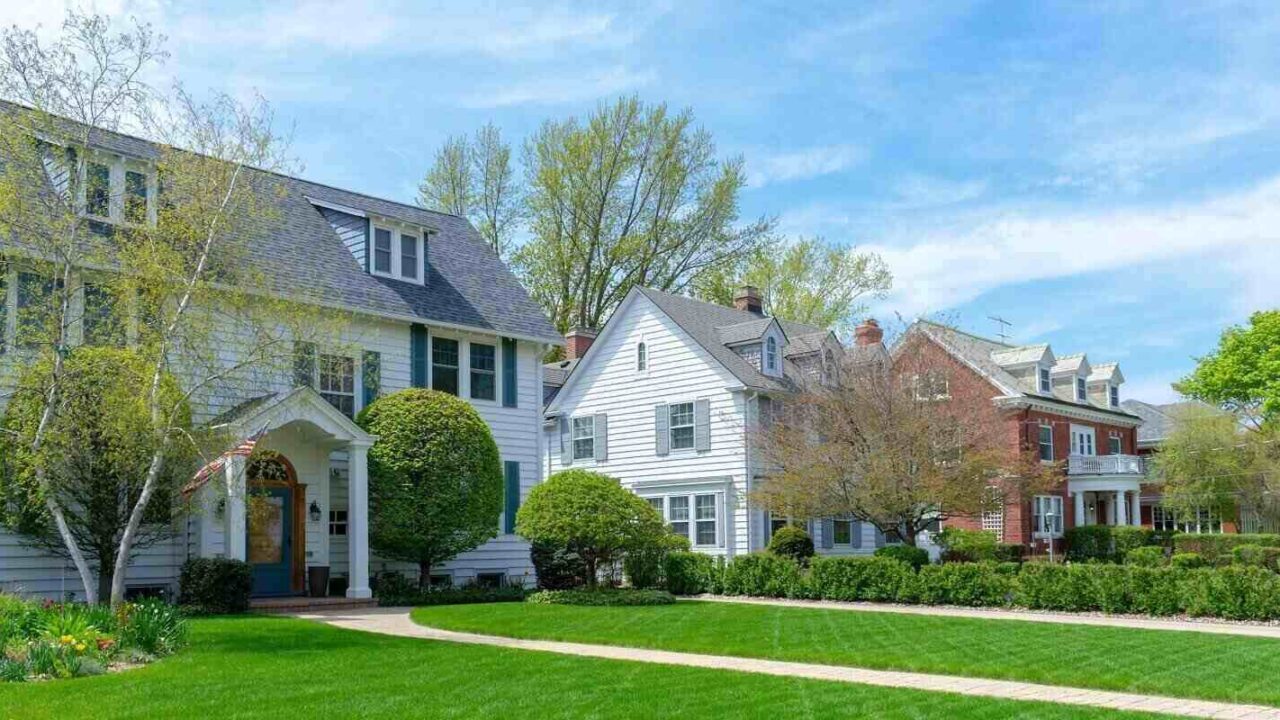
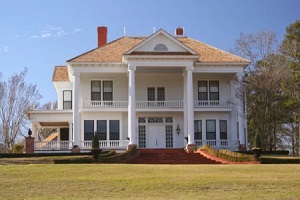 If you own a Colonial-style home or would like to give your house this classic look, you may be focused largely on the
 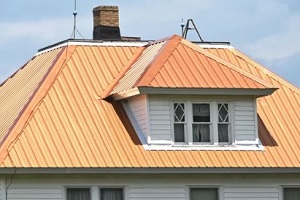 Another good roofing material for Colonial homes is
 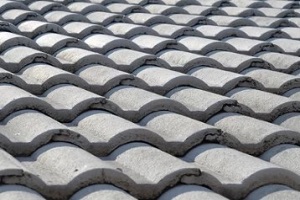 Concrete tiles come in more shapes, textures and colors than most other roofing options, which means it is not difficult to find styles that will work well for Colonial homes.
 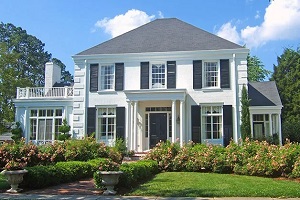 The specific subtype of Colonial home you have will also dictate the materials you can use to some extent. For example,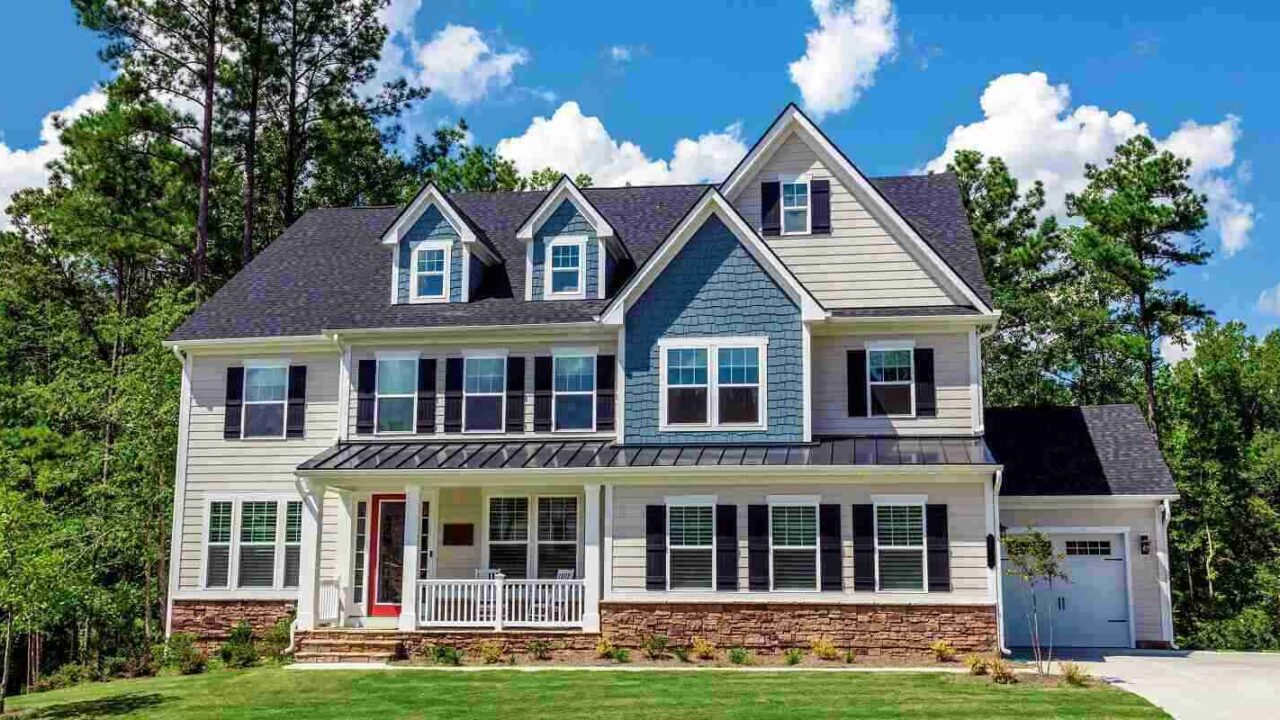
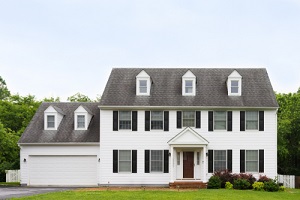 In a country that boasts an impressive range of home styles, it can be difficult for American homeowners to narrow down the architectural style of their homes. However, many homes fall under the broader category of
 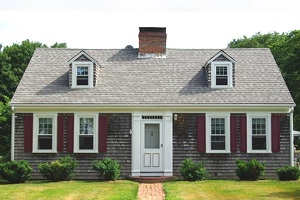 The Northeastern U.S. is full of attractive Cape Cod Colonials featuring gable-front dormers and a minimalist feel. These homes look good with casement windows because they mimic the appearance of classic
 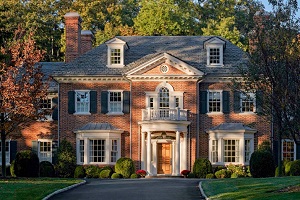 Georgian Colonials were originally built with respect for classical ideals such as the “golden ratio,” a mathematical ratio that can be found in nature and art. Known for balance, symmetry and graceful proportions, Georgian Colonials are square or rectangular and often feature a semi-circular transom window above the front door made of individual planes of glass radiating from a central point.
 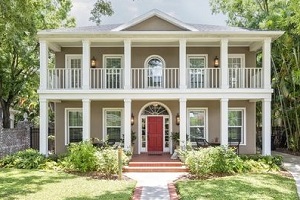 The Colonial Revival style dates back to the late 1800s and combines different aspects of several
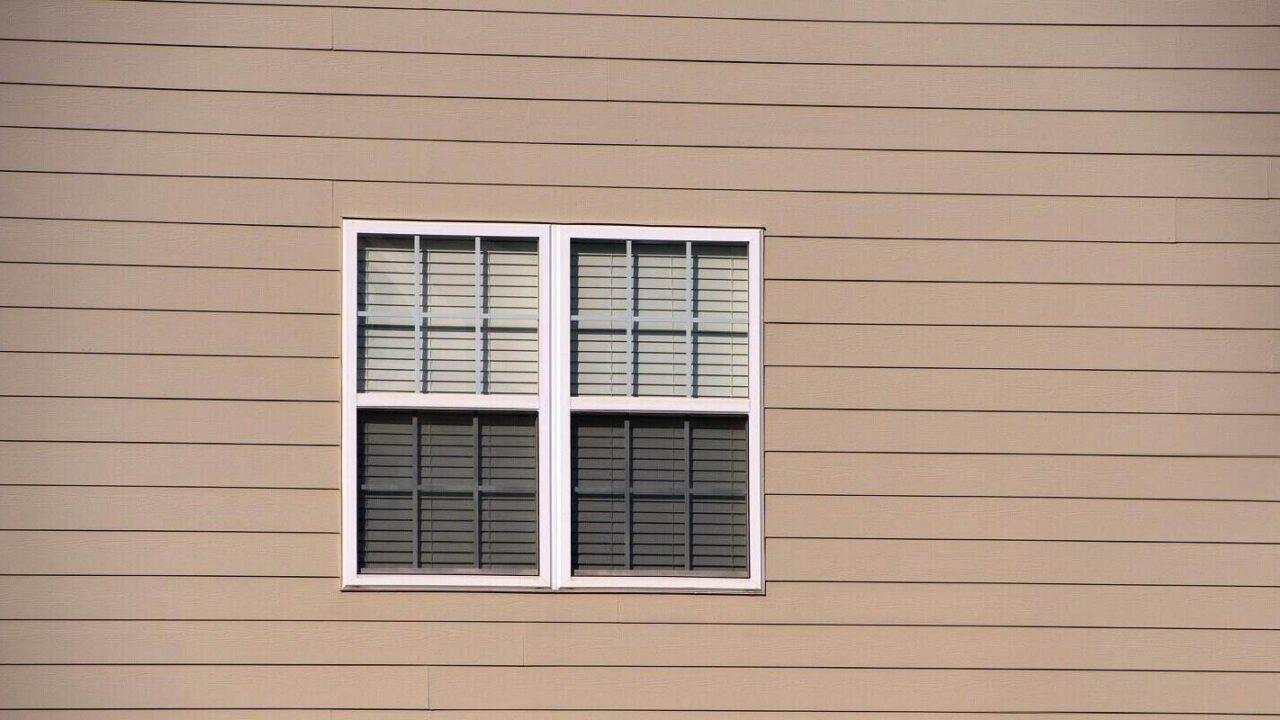
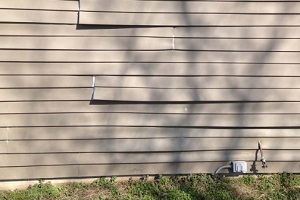
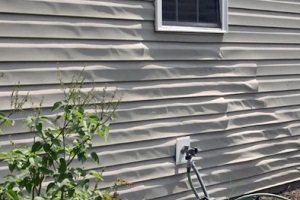 Vinyl siding features oval-shaped openings in the top of the panels that are used for nailing them onto the home. However, nails must always be placed in the center of these slots. If they are placed too close to either end – even if they aren’t nailed in all the way – the panels will not have the room they need to expand and contract, leading to warping and buckling.
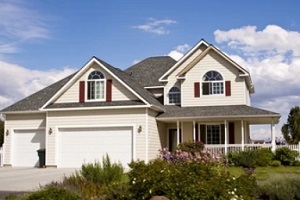 It is imperative to keep all sources of heat away from your home when you have vinyl siding. A grill that is placed too close to a home can cause the vinyl siding to warp in the area surrounding it. Be sure to position your grill further away from the siding to prevent this.
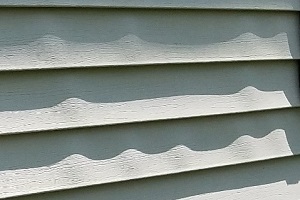 Unfortunately, there is no way to fix vinyl siding or return it to its original shape once it has been warped. However, if the damage is limited to only a few sections, it is possible to have them replaced without needing to replace the siding on the entire home.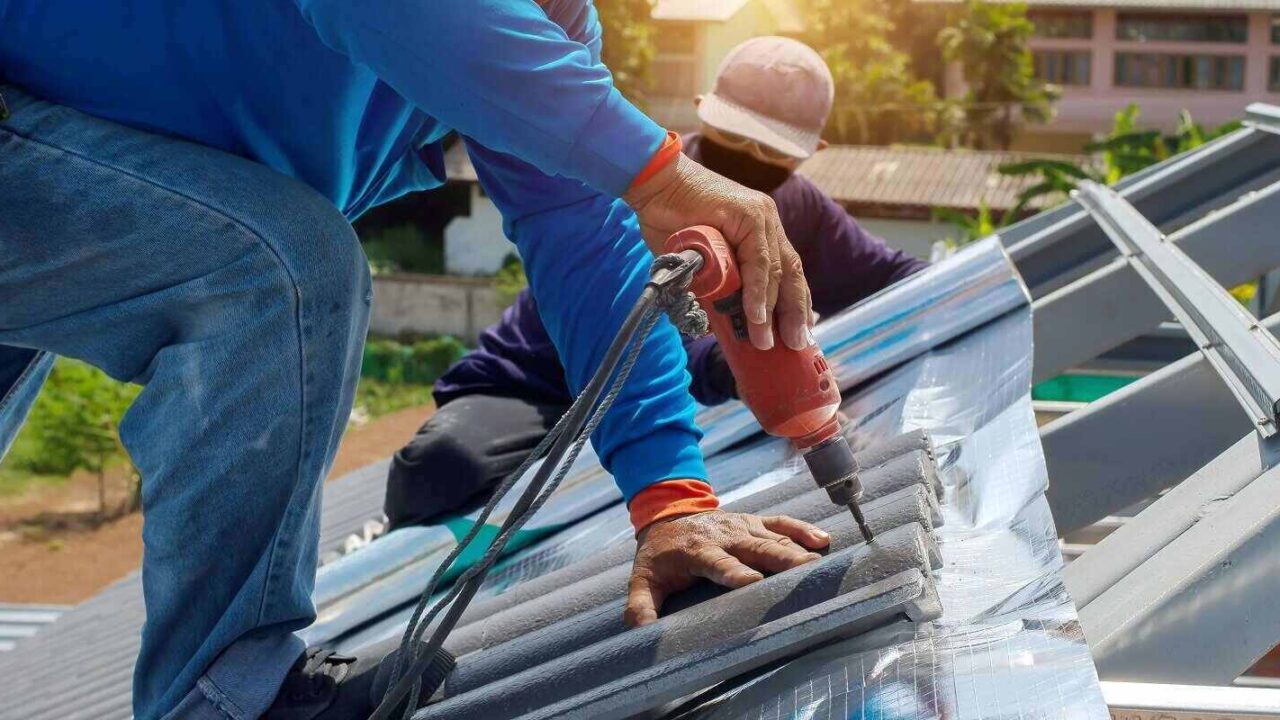
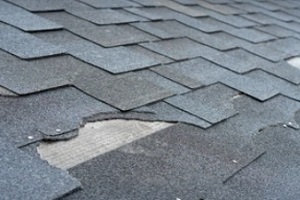 When the roof on a house fails, it needs to be replaced as quickly as possible to protect the home from potential damage. Otherwise, water can get inside the home, extending from the attic down through the other floors and damaging everything in its path.
 Most associations cannot stop a homeowner from replacing their roof, but there may be rules governing the materials, colors and styles that can be chosen. Failing to get permission could result in an association forcing the homeowner to redo the work in a way that complies with their rules, and there could be fines involved. It is best to look at the homeowners’ association’s covenants, conditions and restrictions before beginning the work.
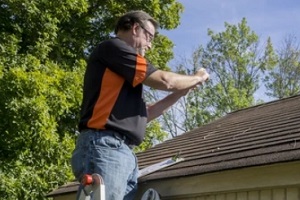 A roof replacement is an important job that